In brief
Banda, a district of more than two million people in Uttar Pradesh, suffered a record‑breaking heatwave this summer, with temperatures staying near 48 °C for nine consecutive days. The blistering heat compressed outdoor work hours—from early dawn to single daylight afternoons—and forced farmers, construction workers, and traders to reorganise livelihoods around shade and cooling. Health clinics saw a surge in heat‑related illness, while economic activity slowed as markets shuttered mid‑morning. Scientists link the relentless heat to river depletion, deforestation, and increasing urbanisation, amplifying the region’s status as a cost‑effective climate hotspot.
Heatwave Reigns Over Banda
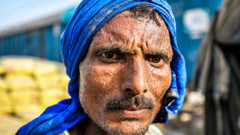
The sunny morning of May 20th in Banda, Uttar Pradesh, felt less like dawn and more like a mid‑afternoon blaze. With the sun already scorching the ground at 6 am, local traders and farmers alike hurried to finish market stalls before the heat pushed the day to an abrupt halt at 8 am. The district, which has long been noted for its soaring temperatures, entered the national record books when temperatures hovered between 47 °C and 48 °C for an unprecedented nine‑day stretch.
Adaptation on the Ground
Farmers such as Himanshu arrived at the Atarra vegetable market before sunrise, eager to sell tomatoes, chillies and melons before the heat could kill their produce. But the rising sun shortened the trading window, causing stalls to close by 8 am and the market to be almost empty by 10 am. Workers like mason Pappu Verma split their days into short sun‑brushed blocks, operating from 7 am to noon and again from 4 pm to 7 pm, using the long midday lull to guard against heat exhaustion.
Urban residents—e‑rickshaw drivers, shopkeepers and road workers—saw afternoons void of business and customers, closing shops after midday. Hospitals reported 15–20 cases daily of heat‑related illness, predominantly among children and the elderly, with symptoms ranging from fever and vomiting to dehydration.
Why This Heat Is So Hard to Beat
The district sits at the edge of the Tropic of Cancer, where a dense population relies heavily on outdoor labor. Nearby rivers have become drier due to groundwater over‑extraction and sand mining, reducing their natural cooling effect. Meanwhile, forest cover has dwindled—nearly 16 % of Banda’s woodland disappeared between 1991 and 2022—further lowering the area’s capacity to absorb heat.
“The heat feels like an addition to the normal day, not a change in it,” explained meteorologist Dinesh Sah. “Morning temperatures are already high, and overnight highs linger around 30 °C, so the city never truly cools.” This compounding heat‑humidity trap threatens to push the region into a new, more perilous climate state.
Researchers estimate that Uttar Pradesh could see more than 8,000 excess deaths during a five‑day heatwave, disproportionately affecting the elderly, outdoor workers, and households lacking reliable cooling.
Looking Ahead
Banda’s residents, accustomed to thermal extremes, have expressed a complex sense of resilience and anxiety. While most continue to survive each day, the escalating intensity of heatwaves is eroding the margins of their adaptation strategies, pointing to an urgent need for climate‑smart policy, tree‑replanting, river restoration, and improved access to cooling for their most vulnerable populations.