In brief
During a Stanford graduation ceremony, a crowd of graduating students stormed out of the stadium when Sundar Pichai—an alumnus and current Google CEO—briefly mentioned artificial intelligence. Protesters held signs referencing accusations of “ICE spies with Google AI” and called for free Palestine, pointing to Google’s contracts with Israel. The walk‑out echoed earlier student protests at Stanford, underscoring growing unease about AI’s social and ethical impact. Many graduates expressed mixed views: some hopeful about the technology’s benefits, others anxious about its implications for employment, privacy, and the climate. The event has reignited debate over AI’s role in the tech hub and in shaping the future workforce.
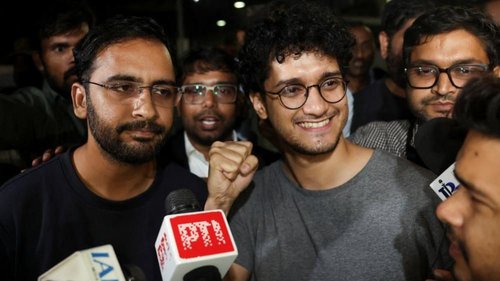
On Saturday night, a crowd of Stanford University graduates disrupted the commencement ceremony after Google CEO Sundar Pichai gave only a passing note about artificial intelligence (AI). The students, many of whom study AI‑related subjects, walked out of the stadium, some carrying signs that read “ICE spies with Google AI” and woke their own official banners calling for “free Palestine.”
The protest is part of a broader pattern of student dissent at Stanford, which has seen similar walk‑outs in 2024 and 2025. Earlier in the ceremony, Pichai, a Stanford alumnus, was hesitant to mention AI at all, commenting that people had advised him “not to say it.” When he tried to keep silence on the topic, the crowd responded with chants, a protest stance against the company’s alleged ties to Israel’s military and to U.S. immigration enforcement.
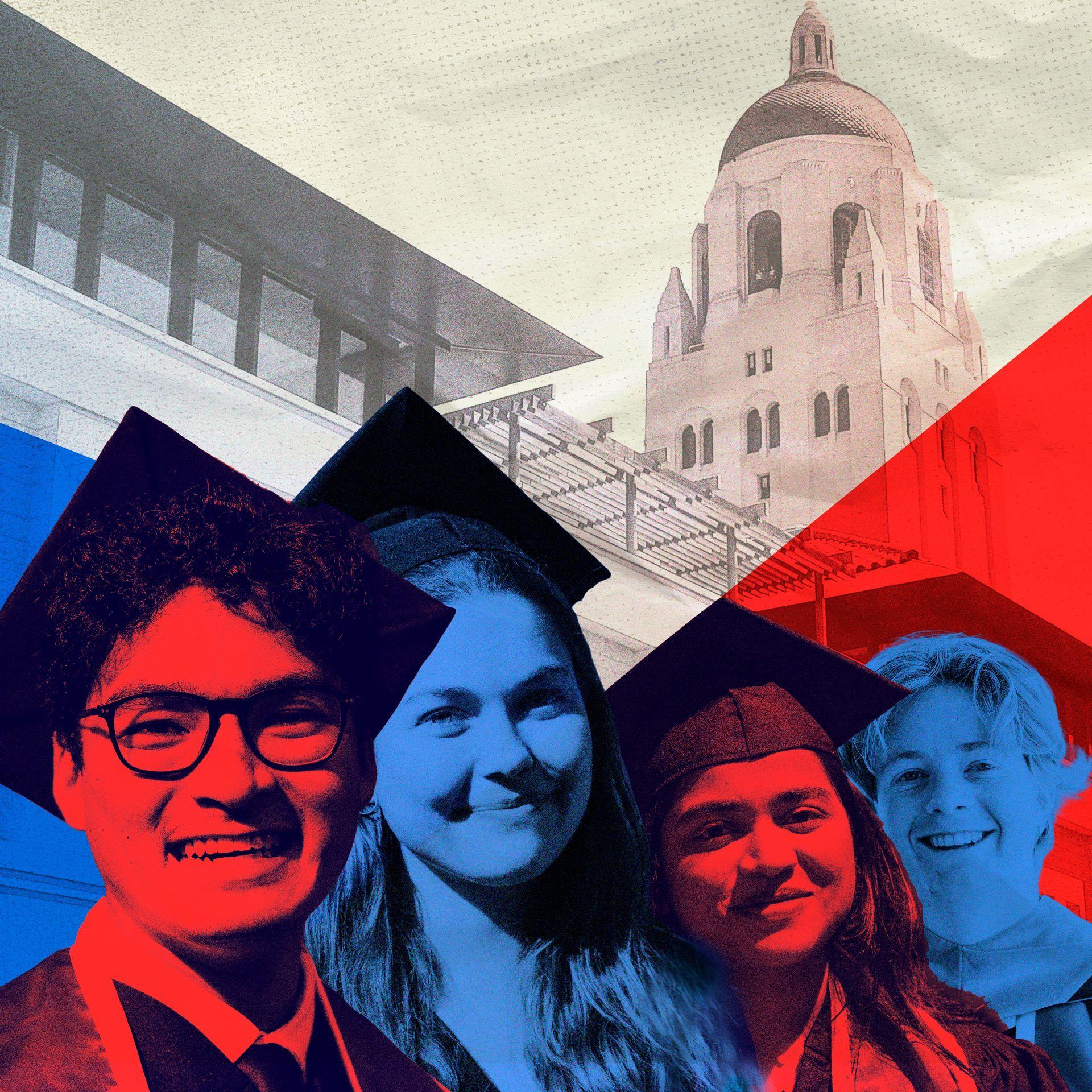
The reaction also reflects a generational split over AI. Some graduates, like computer science major Ifdita Hasan, see AI as a tool that could advance scientific discovery and open “new ways to learn.” Others, such as Earth Systems major Atash Heil, warn that AI is reshaping the job market, especially in tech, and they feel uneasy about “cognitive off‑loading” and the environment costs of data‑center operations.
Despite the outcry, nearly all students interviewed had job offers on the table or plans to continue their studies. Stanford said it has no published statistics on placement rates but emphasized the university’s historical role as a launchpad for tech careers. The event, however, has reignited debate about how the AI boom will influence education, ethics, and workforce stability.
For Stanford, the march of AI has become a foreshadowing of possible futures. While the campus remains a hub for innovation and home to many pioneers of AI, the students’ walk‑out signals that the next generation may demand stricter scrutiny of how the technology is developed and deployed.