In brief
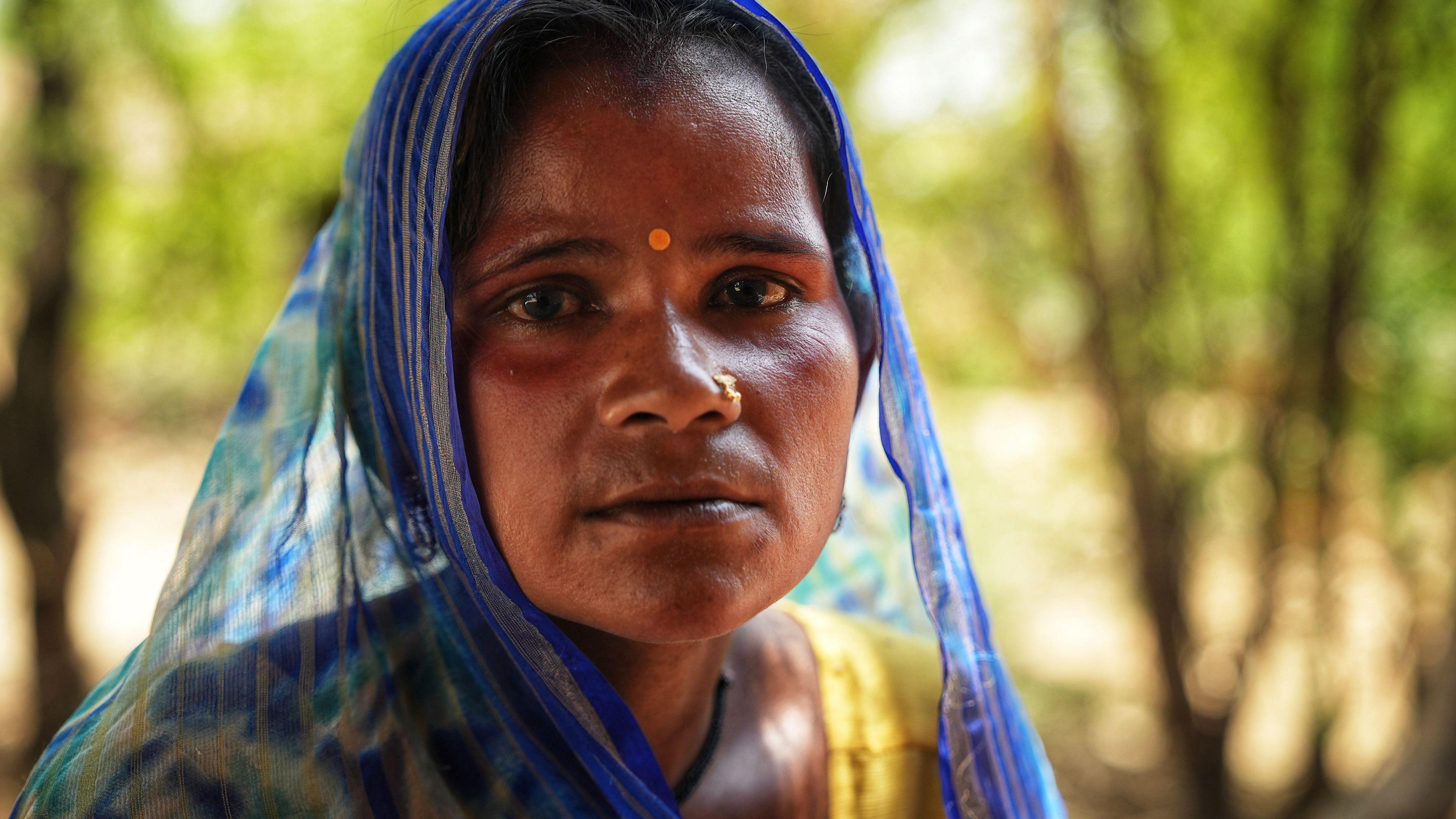
On the blistering plains of Bundelkhand, a Dalit woman named Mamta must make up to ten trips a day to fetch water for her family, but she can only do so after the dominant‑caste families have finished using the handpump. The drought‑prone region, which has seen temperatures close to 48°C, forces vulnerable communities into perilous territorial disputes over scarce water. Local officials deny caste‑based discrimination at public sources, yet reports from the Dalit Dignity and Justice Centre record 113 incidents in the area alone. While government programs aim to restore ponds and provide piped water, experts argue that climate alone will not erase the entrenched social hierarchy that dictates who gets water.
On the blistering plains of Bundelkhand, a Dalit woman named Mamta must make up to ten trips a day to fetch water for her family, but she can only do so after the dominant‑caste families have finished using the handpump.
The drought‑prone region, which has seen temperatures close to 48°C, forces vulnerable communities into perilous territorial disputes over scarce water. With government‑driven taps having been dry for years, most of the village’s 1,000 residents rely on a handful of handpumps that are often monopolised by higher castes.
When Mamta arrives, she finds the pumps already filled. She must wait until the dominant castes leave before she can scoop water, and sometimes even witnesses upper‑caste residents pour water over the pump to "cleanse" it. This ritual, she says, has “been happening for decades.”
Local officials, however, reject claims of caste discrimination, stating that the Jal Jeevan Mission and other state programs are restoring water supplies. They point to abandoned wells and unreliable taps as the primary issues, framing the problem purely as a shortage rather than a social injustice.
Researchers at the Centre for Science and Environment note that hotter summers are turning old territorial tensions into sharper conflicts. "The role hotter summers are playing in making water scarcer and intensifying tensions that already existed," they say.
The Dalit Dignity and Justice Centre, which tracks caste‑based violence, reports 113 complaints in the region during 2025, most of them involving disputes over water. While only a handful of police arrests have followed, the organisation stresses the need for accountability.
Despite efforts to revive ponds and build check dams, experts argue that increasing water supplies alone will not solve the problem as caste hierarchies still dictate access. "Climate change is not the origin of these injustices, but a threat multiplier," says researcher Mukul Sharma, urging that social reforms accompany environmental solutions.
As Mamta returns to her village each day, carrying the heavy buckets that have become a symbol of her community’s endurance, the summer’s scorching heat reminds everyone that survival depends not only on water’s availability but also on who is allowed to reach it. The intersection of climate and caste continues to shape the lived realities of India’s most marginalized communities.