In brief
Saber Abu al‑Kas’s mother Amina died after months of waiting for medical evacuation after a severe infection, highlighting the delays that have caused 300 deaths among patients in Gaza. Palestinians face prolonged security checks, limited crossing days and stringent host‑country acceptance criteria, as WHO reports 15,000 still waiting for treatment abroad. With only 1,977 evacuations since the ceasefire, patients and families endure painful uncertainty, power outages, shortages of medicine and the prospect of paying swindles to expedite the process. The story underscores the urgent need for faster, transparent evacuations and better medical supplies in Gaza.
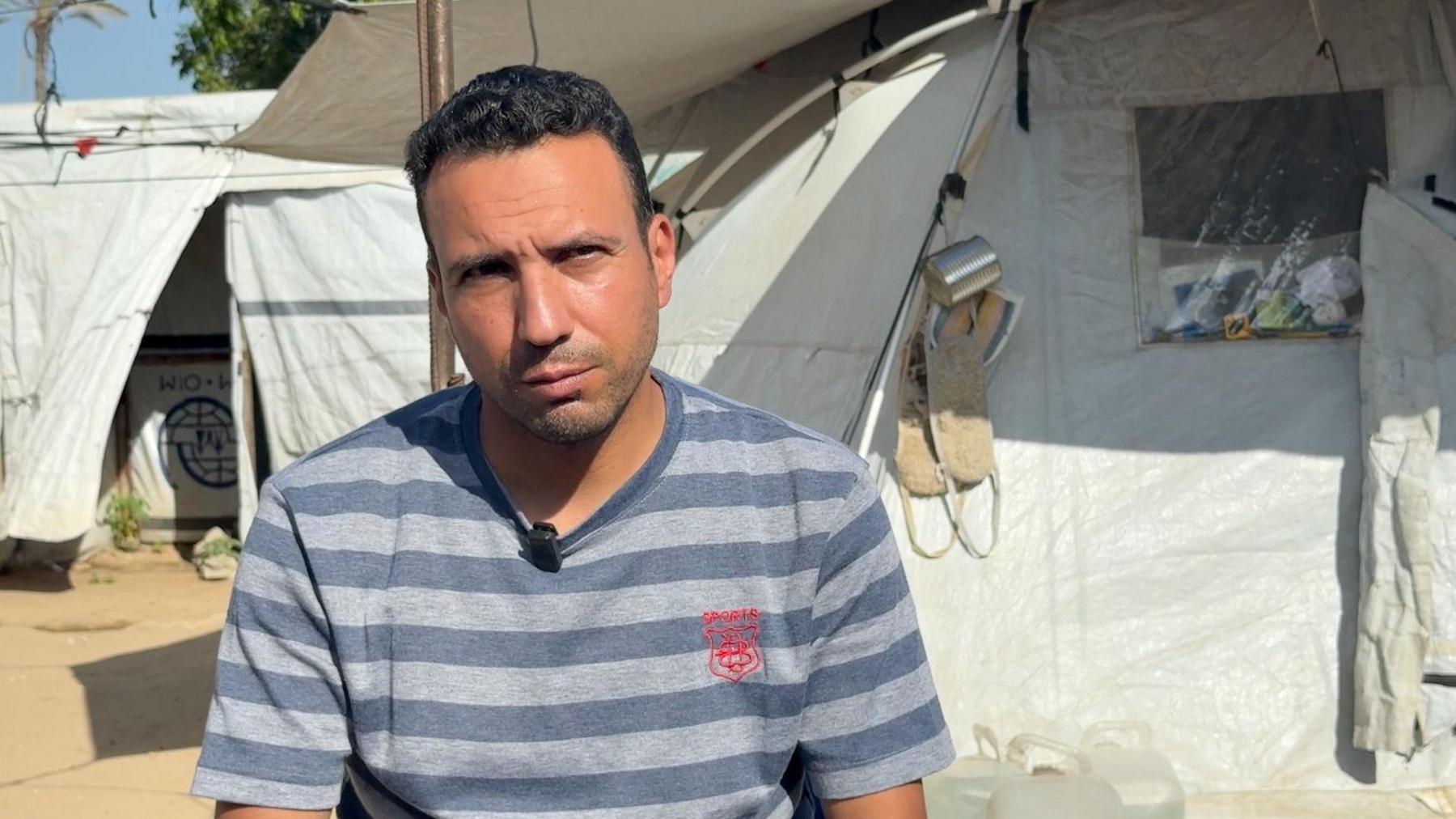
Saber Abu al‑Kas’s mother Amina died on 29 May after waiting for a medical evacuation from Gaza that was approved by the Strip’s medical board but took months to process. Two weeks after her passing, Saber received a call from the hospital saying the paperwork was finally ready – a delay that cost her life.
Amina had a necrotising infection that had spread to her skull, a condition Gaza doctors could not treat due to a lack of medicines and specialised therapies. "She couldn't sleep or even rest, her pain was unbearable," Saber recalled. "Painkillers caused ulcers and inflammation, and they banned us from using them."
The Gaza Health Ministry says 300 Palestinians have died waiting for evacuation since the ceasefire began last October, while WHO data shows 1,977 people have been transferred abroad and 15,000 remain on the waiting list for treatment ranging from cancer to war‑related injuries. The list is constantly shifting, as patients’ conditions and host‑country rules change.
The evacuation process requires three approval layers: a medical referral, a host‑country acceptance, and security clearances from Israel, Egypt or Jordan. “Many countries are highly selective,” said WHO representative Dr. Reinhilde Van de Weerdt. “They may only accept children or short‑term treatments, and they require visas for each patient and companion."
Israeli officials say the primary bottlenecks are lengthy security screenings and limited departure days. The Rafah crossing at the Egypt border opens only three days a week, while the Kerem Shalom crossing with Israel opens only one day a week for medical evacuations. The Israeli Civil Affairs Ministry’s Cogat body says departures are contingent on an official request from a recipient country and a completed security screen.
Hospitals struggle with power outages; a generator at Nasser Medical Complex stopped last month, forcing several departments to shut down. “We are receiving fuel but not spare parts or new generators,” said Mazen al‑Arayeshi, Gaza Health Minister of Engineering. “If we can’t replace old equipment, we head toward a crisis.”
Desperate patients have begun paying “self‑declared agents” thousands of pounds to hasten paperwork. The WHO has issued a warning: “Beware of fraud.” Still, many families, like Saber’s, risk exploitation to save a life. "Patients in Gaza experience a different reality,” he said. “At least she is at peace now,” he reflected after her death.
The sequence of events underscores a systemic failure: limited crossing days, strict host‑country criteria, security vetting and inadequate medical supplies converge to prolong the wait for a life‑saving evacuation, leaving families in a no‑one can help situation.