In brief
As Israel heads to the polls next week, far‑right minister Itamar Ben Gvir is headlining rallies with a dedicated crowd of 18‑ to 22‑year‑olds. Polls show over 16% of new voters plan to back his and allied parties, driven by a sense of security and support of hard‑line policies. Despite his controversial stances on settlements and annexation, Ben Gvir has gained traction by mastering social‑media platforms and delivering rousing street speeches. The outcome of this tight race could shape Israel’s future security and identity for years to come.
When Israel’s far‑right National Security Minister, Itamar Ben Gvir, reached voting age, he was rejected from the army for being too politically extreme. His views have not changed in the three decades since, but Israel has. Once on the fringes of politics, he is now a minister in the core of Prime Minister Benjamin Netanyahu’s coalition.
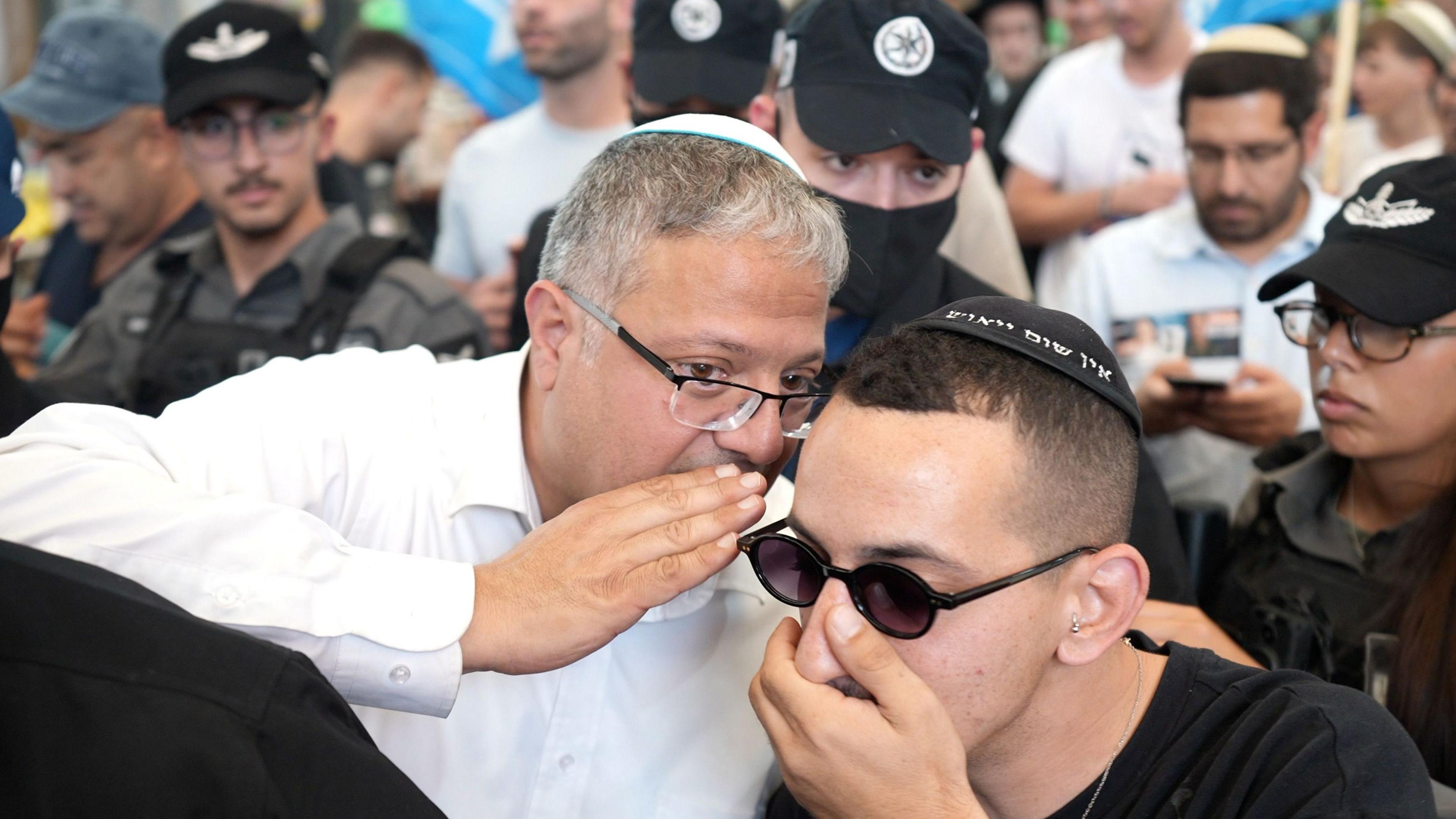
Ahead of the general election next week, Ben Gvir is surrounded by jubilant, fresh‑faced young fans in Ramle – a mixed city of Jewish and Arab citizens – waving huge party flags as a team of hard‑shelled security guards keep order.
"We see the support, we see the love, and we want to win," he told reporters in the market. The message to young voters is simple: get out and vote.
More than half a million first‑time voters are expected to cast ballots, a group that many Israelis view as pivotal for Israel’s future security and identity. Polls predict a tight contest, with the new youth vote becoming a deciding factor.
According to a Yedioth Ahronoth survey, over 16% of first‑time voters plan to back far‑right parties such as Jewish Power or the Religious Zionism party led by Bezalel Smotrich, an ally of Ben Gvir. Another Channel 12 survey found almost three‑quarters of young voters consider themselves right or centre‑right.
"Itamar Ben Gvir gives me a sense of security," said 20‑year‑old Mordechai, one of the young supporters. "Like everyone in history, from Trump to Moses, there are slips of the tongue that are a bit less good. So what? 90% of the things by Itamar are amazing," he added.
18‑year‑old Nadav echoed this confidence: "Itamar will give us safety, and when we go to the army, someone will have our backs and be behind us." He believes Ben Gvir shows Israel’s strength, a sentiment many feel was absent in the past.
Ultra‑Orthodox 23‑year‑old Meir Schreiber, raised in London, noted that the October 7 Hamas attacks sparked a belief that Ben Gvir was the right choice: "Young people understand that peace isn’t something we can do. What happens to you when you’re young shapes your personality – we saw October 7."
Ben Gvir is a divisive figure, advocating annexation of the occupied West Bank, Jewish settlement in Gaza and a so‑called "voluntary emigration" of Palestinians – positions condemned by many liberal Israelis. Several Western governments have imposed sanctions and travel bans on him and Smotrich for incitement, yet both remain powerful ministers in Netanyahu’s coalition.
When he whirled through Ramle’s market stalls, shopkeepers threw sweets or seemed wary. "I don’t like him; he sows discord," one stallholder muttered. "Ramle is a mixed city – Jews and Arabs. There’s no problem here, even after October 7, but his message preys on young, uneducated people," he added.
The appeal to 18‑ to 22‑year‑olds is partly rooted in the recent attacks. Political analyst Dahlia Scheindlin said the youth have been socialised into extreme debates about annexation, settlement, and post‑October 7 Gaza over the last two decades.
"They have grown up under a series of wars with no personal experience of peace talks, yet they are socialised into the most extreme terms of the debate – annexation, settlement expansion, and – after October 7 – annexation of Gaza," Scheindlin observed.
The tight race could hinge on the turnout of new voters, who are motivated but sceptical of democratic institutions. The opposition has been targeting younger voters with warnings about democracy and fresh social‑media content. Meanwhile Ben Gvir’s presence on TikTok and Instagram stays ahead of many other politicians – a fact cited by opposition candidate Yonatan Shalev, who noted that in September Ben Gvir still topped TikTok views and likes.
Even Netanyahu has joined fast‑paced militaristic videos on social platforms. The younger generation primarily obtains information through TikTok and Instagram, not the news or newspapers, according to Shalev.
Additional reporting by Morgan Gisholt Minard and Gidi Kleiman