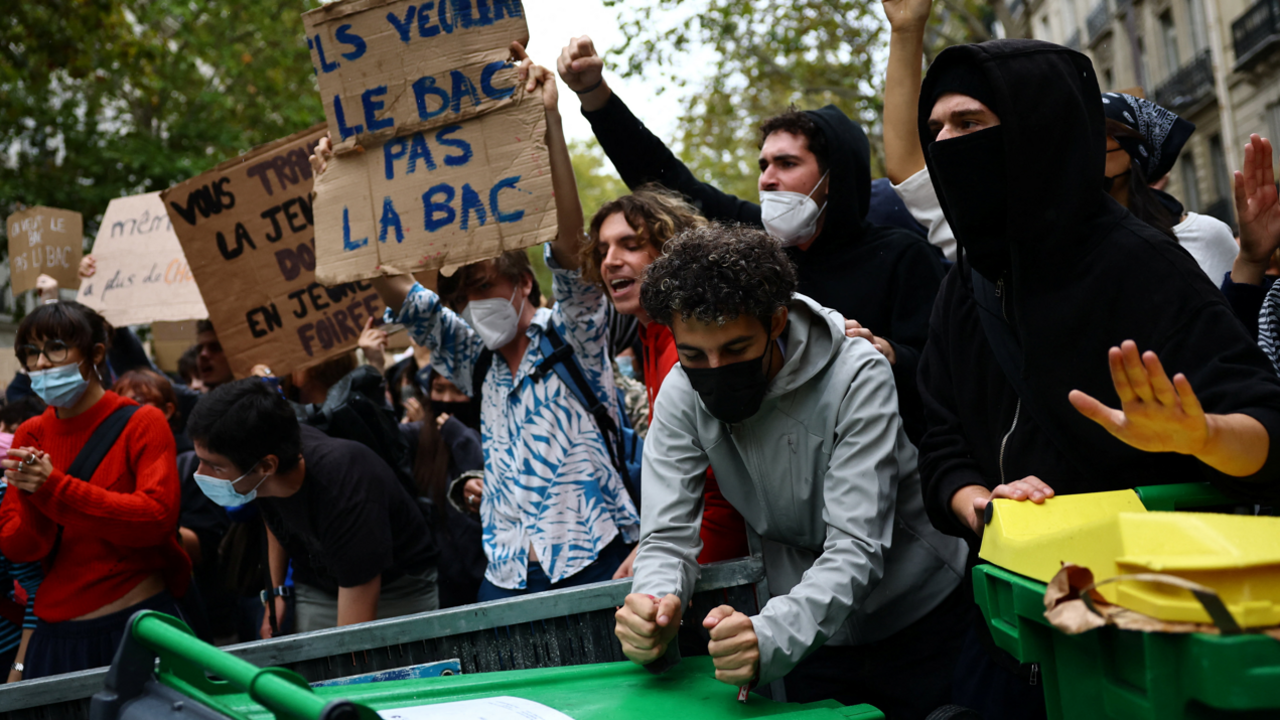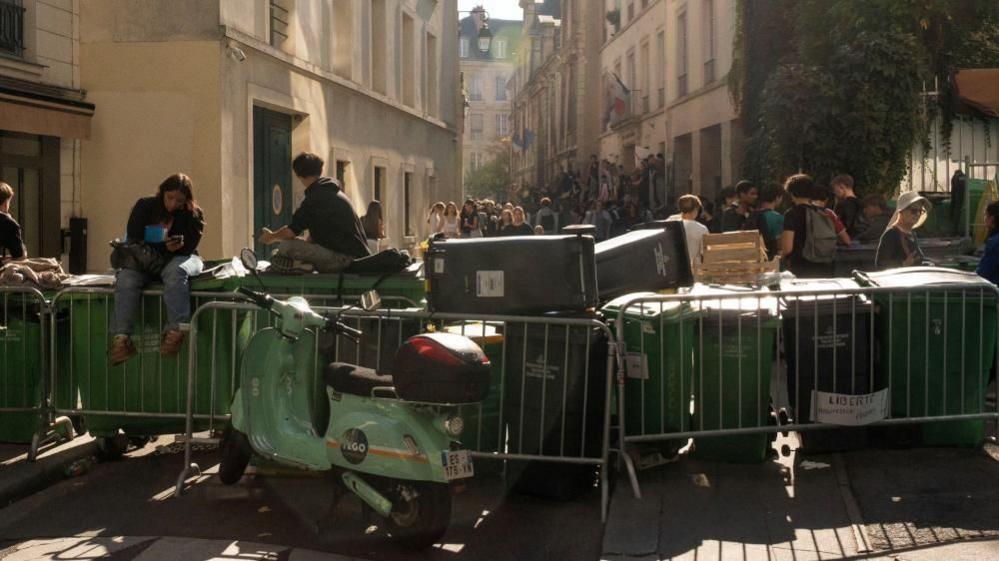
A 16‑year‑old schoolboy in Lille says the classroom is a squeeze – “There aren’t even enough chairs. We have to find some at the start of every lesson.” That reality echoes across France, where students at secondary schools (lycées) report overcrowded halls, broken toilets and uneven temperatures in classrooms.
The protests began after a riot at the Lycée Antoine‑de‑Saint‑Exupéry in the Paris suburb of Créteil and immediately spread through a network of social media videos showing rats, holes in walls and mould over the nation’s school walls. Each school now faces the same demand: better facilities and an end to the chronic staff shortage that leaves a single teacher responsible for 35 students, compared with the 23‑student average in the UK.
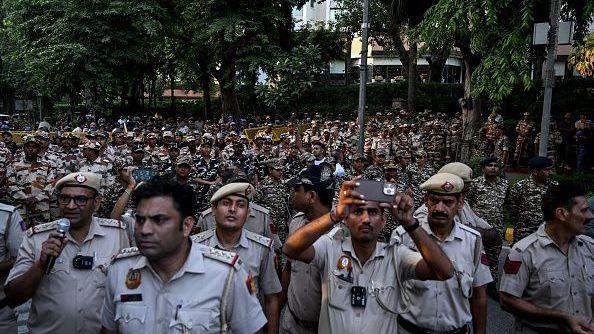
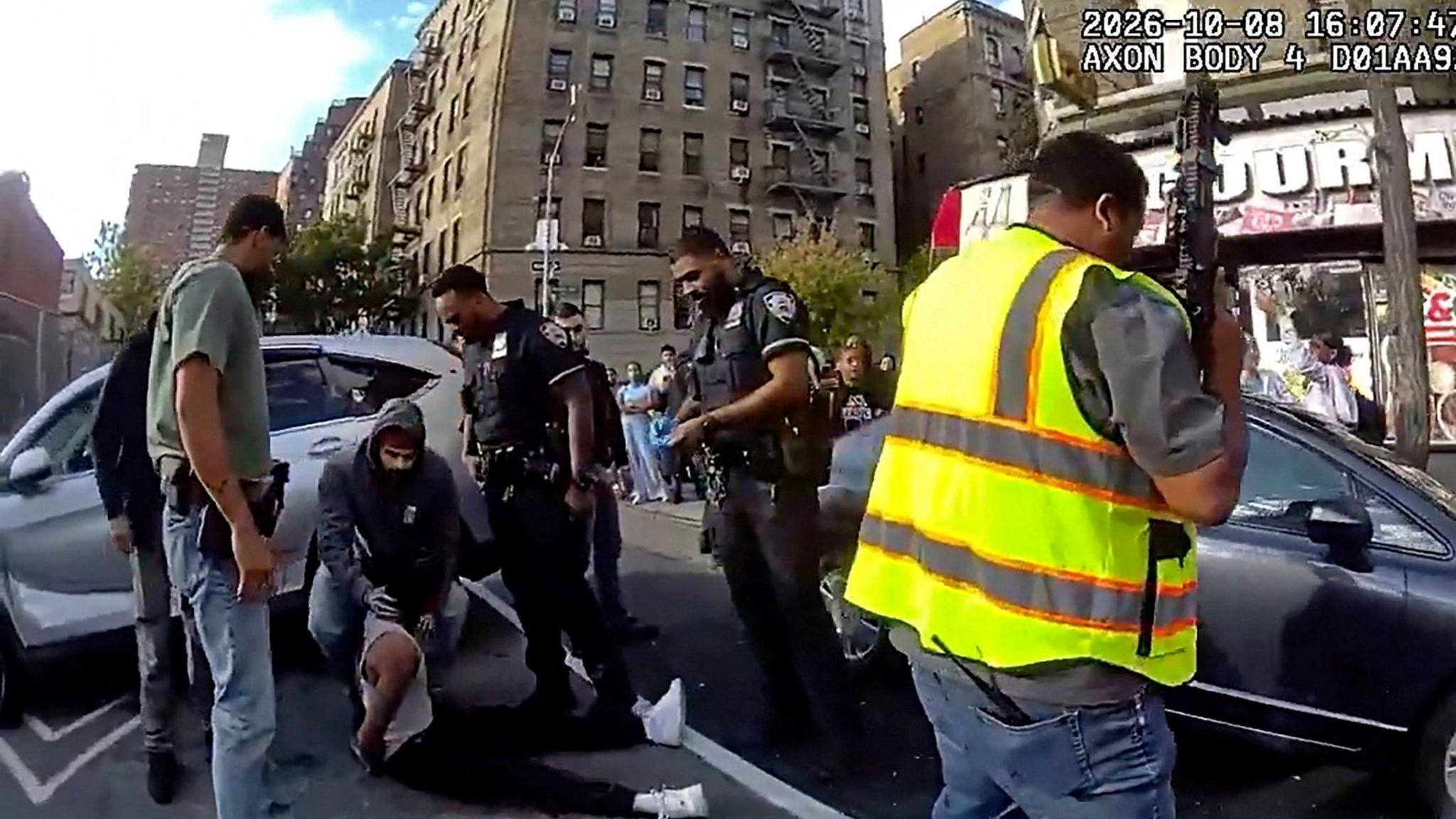
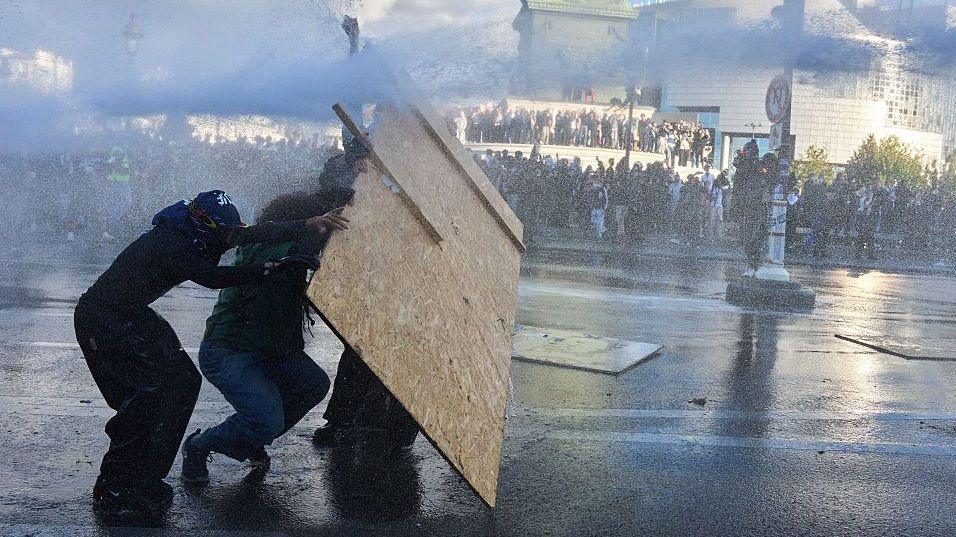
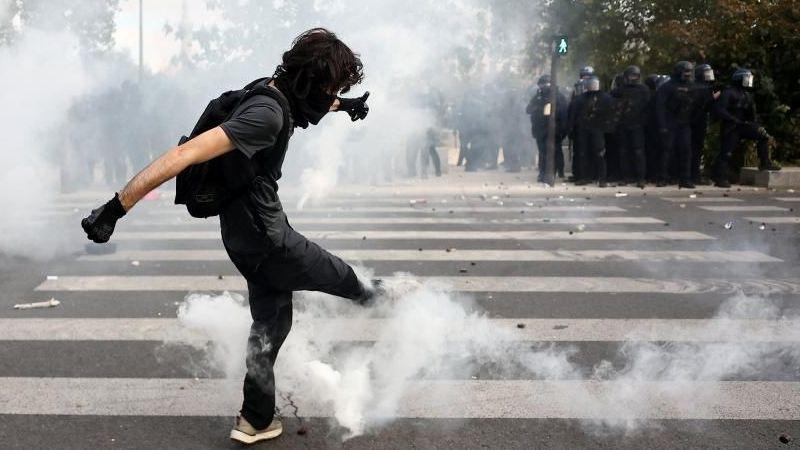
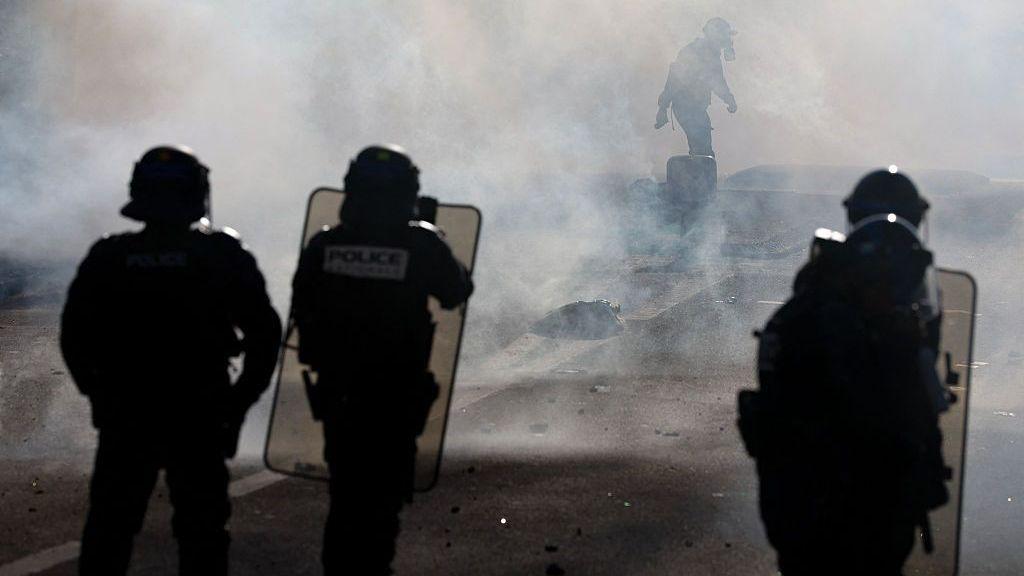
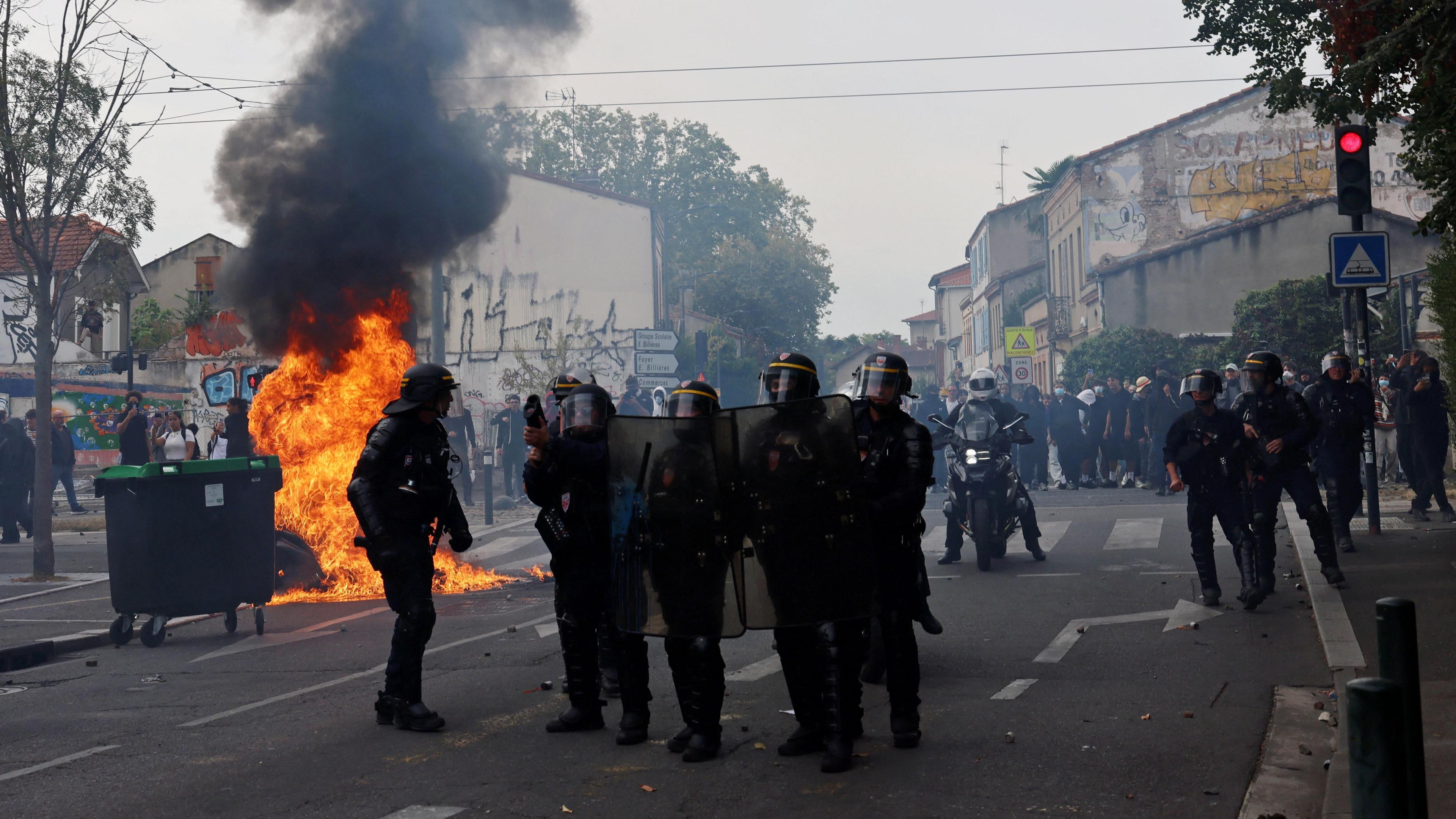
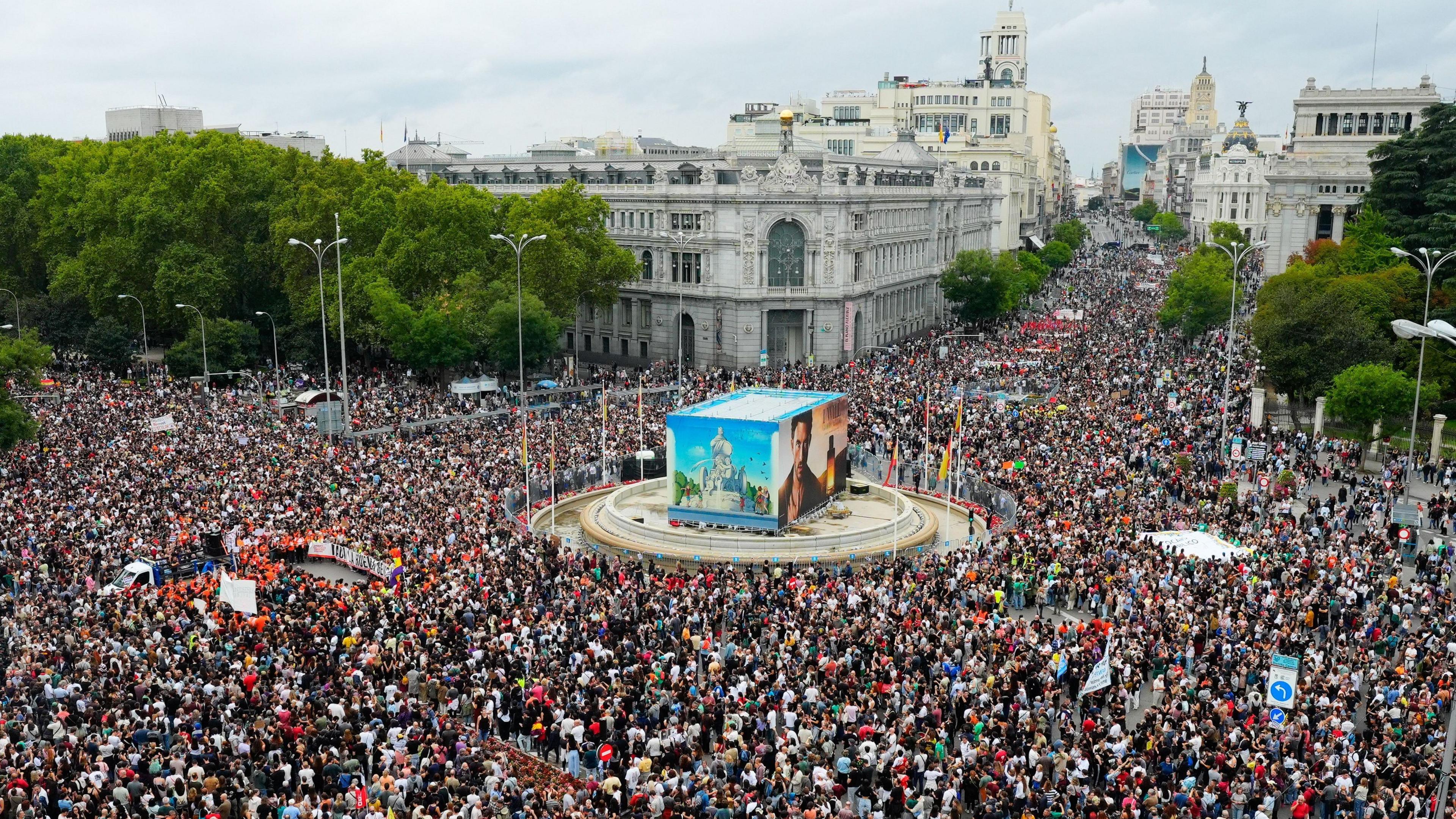
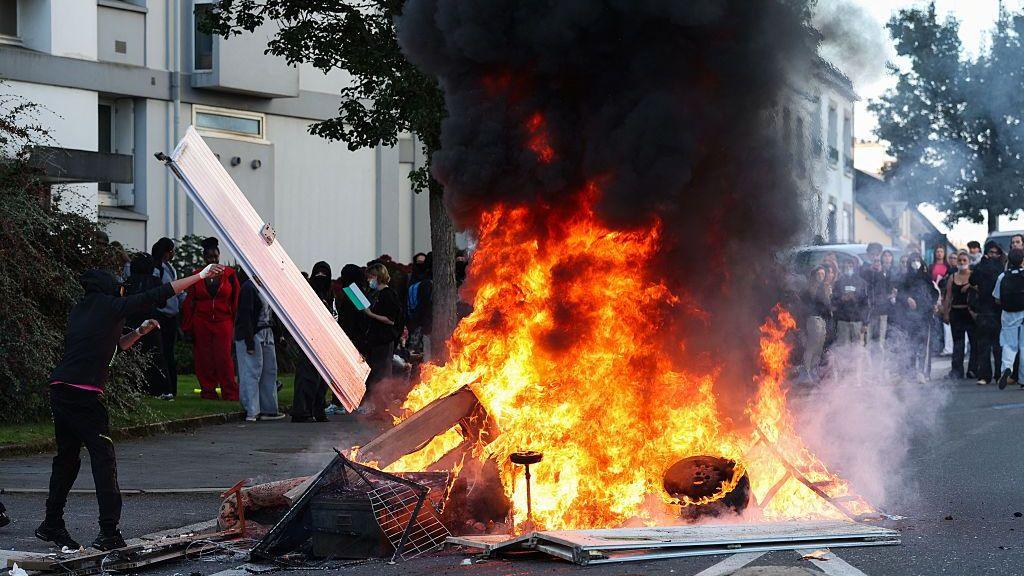
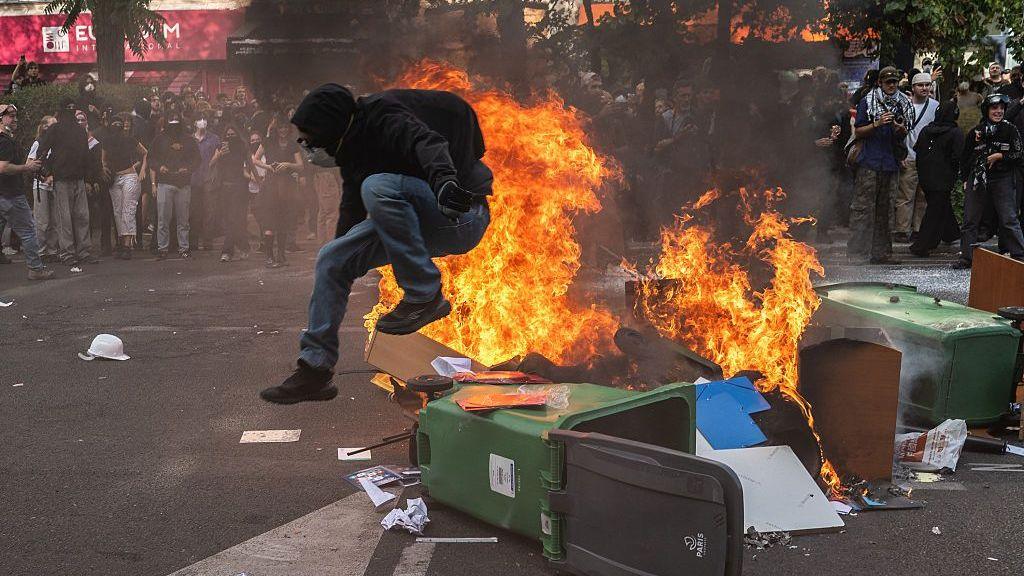
Students are out in force. The government estimates 250,000 people took to the streets – trade unions say half a million – and figures show 7,000 people have been detained, 85% of them minors. 200 pupils and dozens of teachers have reportedly been injured as police deploy tear gas, flash‑balls and batons.
Amid the gathering hysteria, a 15‑year‑old named Kaspar talks about the terror of police in riot gear: “When we come out, they unfurl the flash‑balls.” Police, meanwhile, say that agitators with no ties to the students are inflaming the situations, making the job harder for law‑enforcement officers caught between the marchers and the state.
Political leaders have joined the debate. The National Rally’s Marine Le Pen glimpsed the unrest, while hard‑left MP Jean‑Luc Mélenchon declared the movement the most powerful since the 1968 protests, urging students to “reproduce 1968.” Prime Minister Sébastien Lecornu promises a full‑scale plan by the end of October, including 3,000 temporary teachers, but a still‑depleted budget keeps the government’s hand tied.
The protests have tapped into a broader cultural battle. Over three‑quarters of French under‑30s say they are worried about France’s future, and many see the protests as a symptom of a weakened centre ground. The civil‑rights language of “casser‑payeur” – those who break structures must pay – has stretched across headlines, with Le Pen speaking about parents picking up the cost of damage.
Teachers such as Marine Monins have joined the fight, holding up laminated timetables that reveal a school day that starts at 8:00 am and ends around 6:00 pm, with lengthy gaps caused by unscheduled breaks. “It’s impossible to give every child the attention they deserve,” she says.
Wars, turn‑of‑century protests and a break in conversation have made French student protest a powerful node for politicians. For the young, the message is clear: stop the erosion of their future.