France promises 3,000 extra teachers as student protests rage
Education Minister Edouard Geffray told national TV that France would deploy 3,000 supply teachers over the next few days, a first tangible concession to a movement that has called for more resources in secondary education.

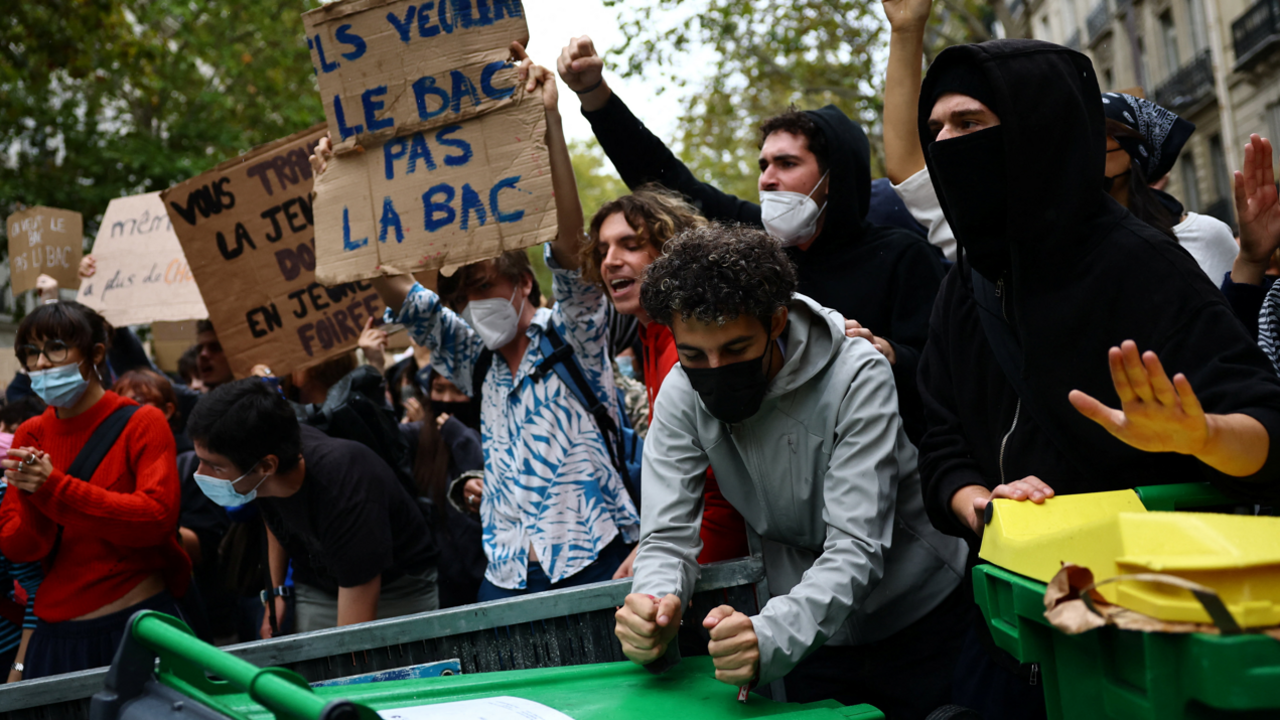
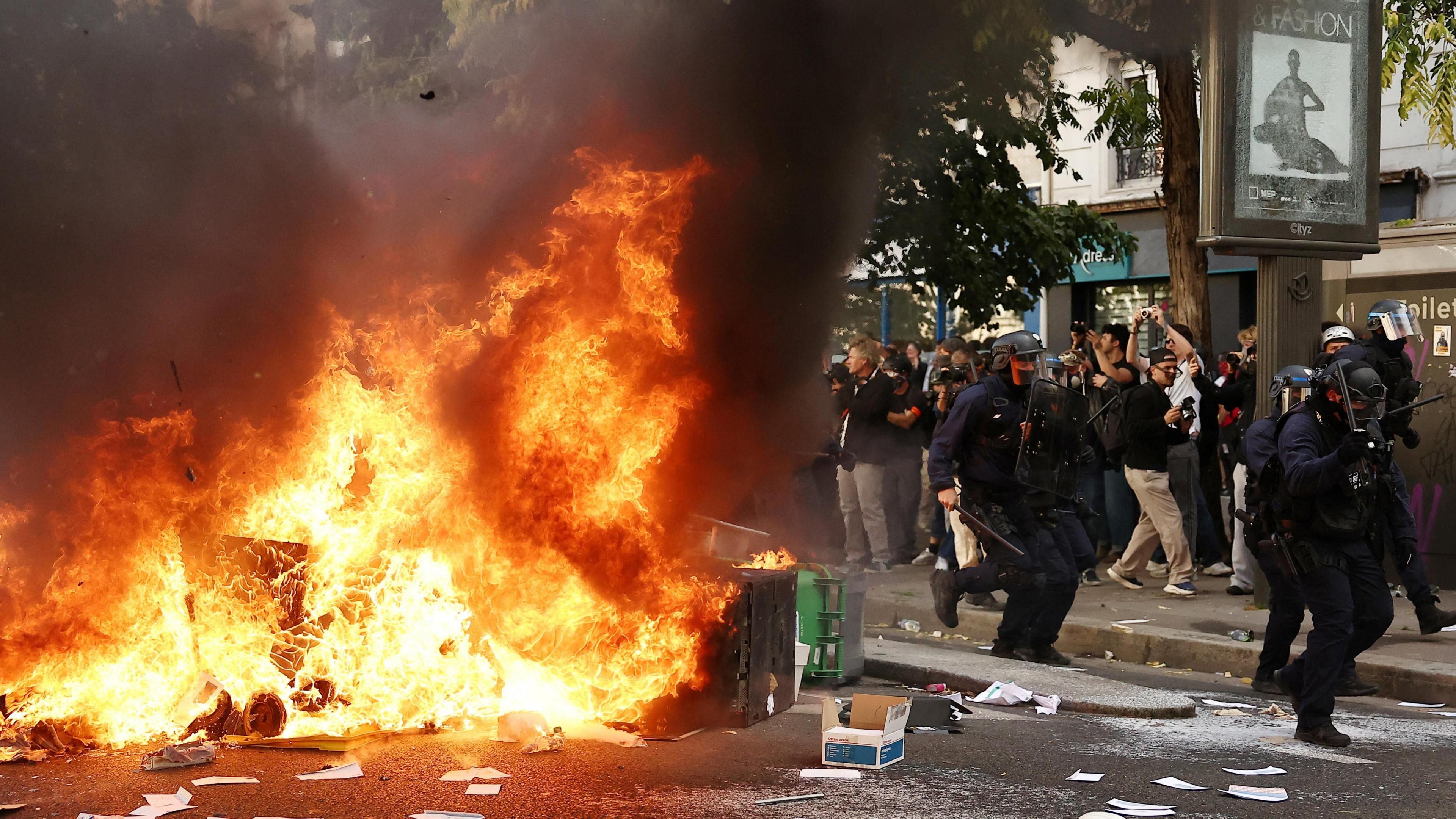
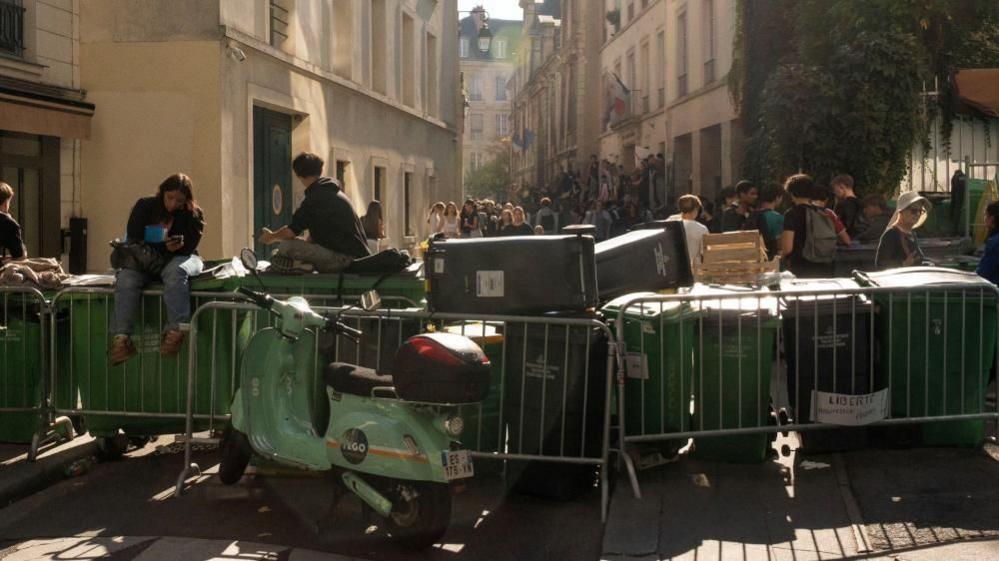
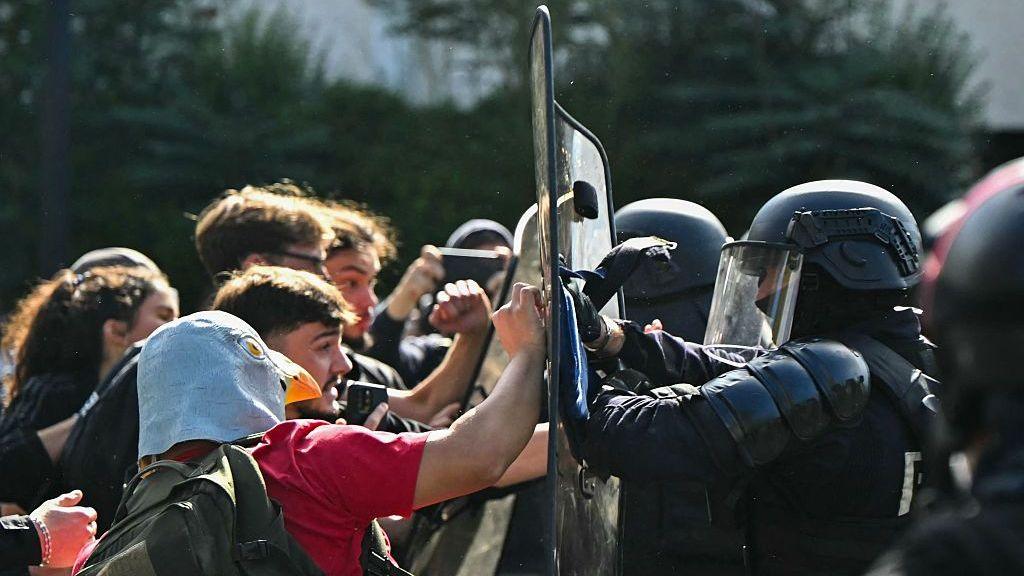
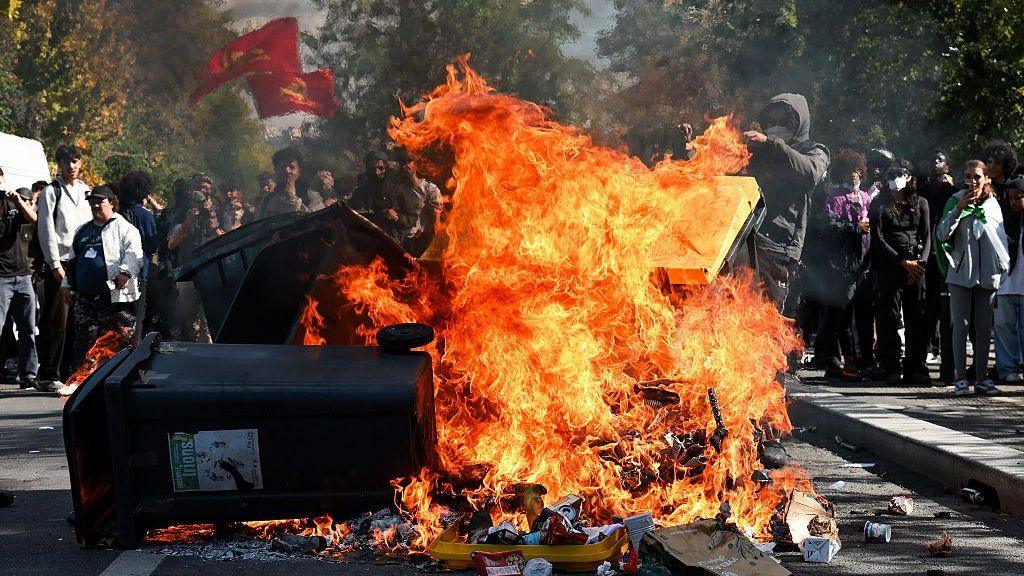
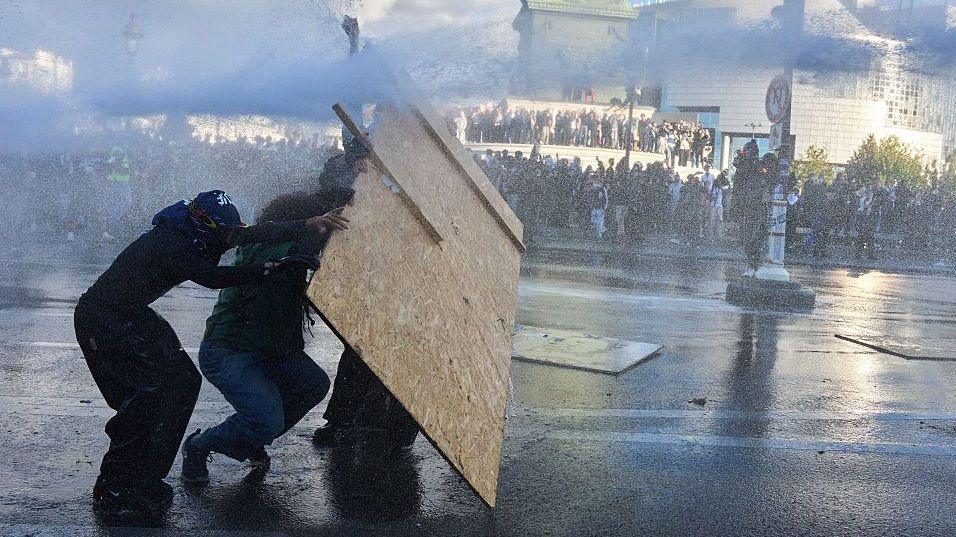
The country has seen a wave of demonstrations that began on Monday and swelled to 71,000 protestors across the country on Thursday, with a record 24,000 gathering at the iconic Bastille.
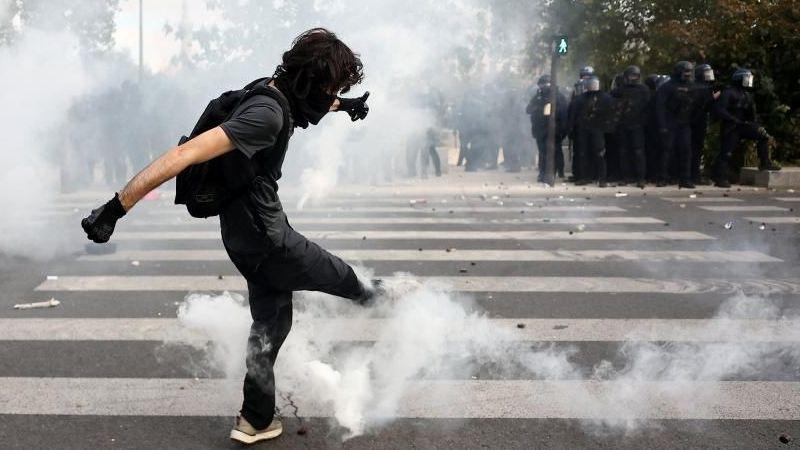
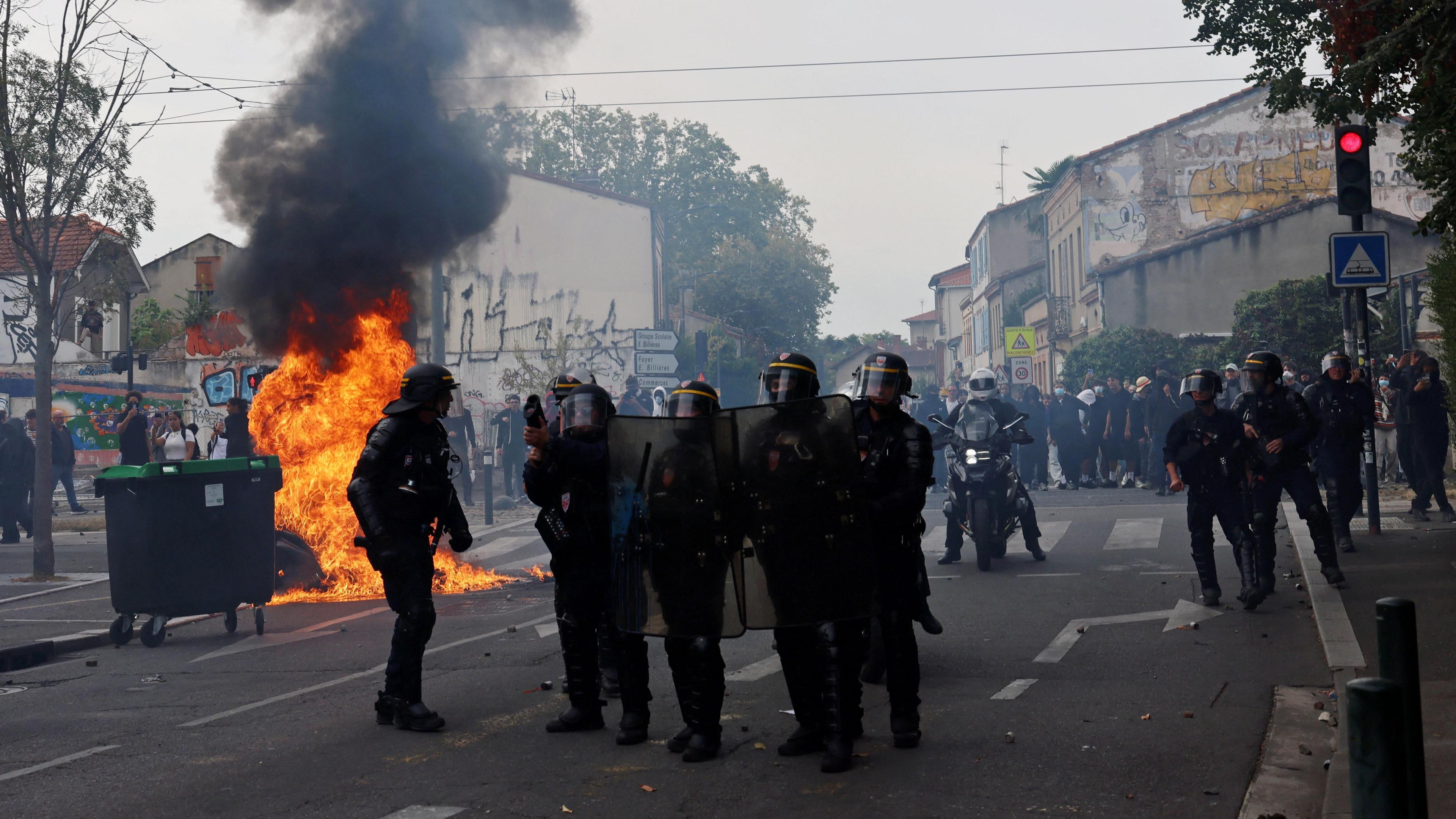
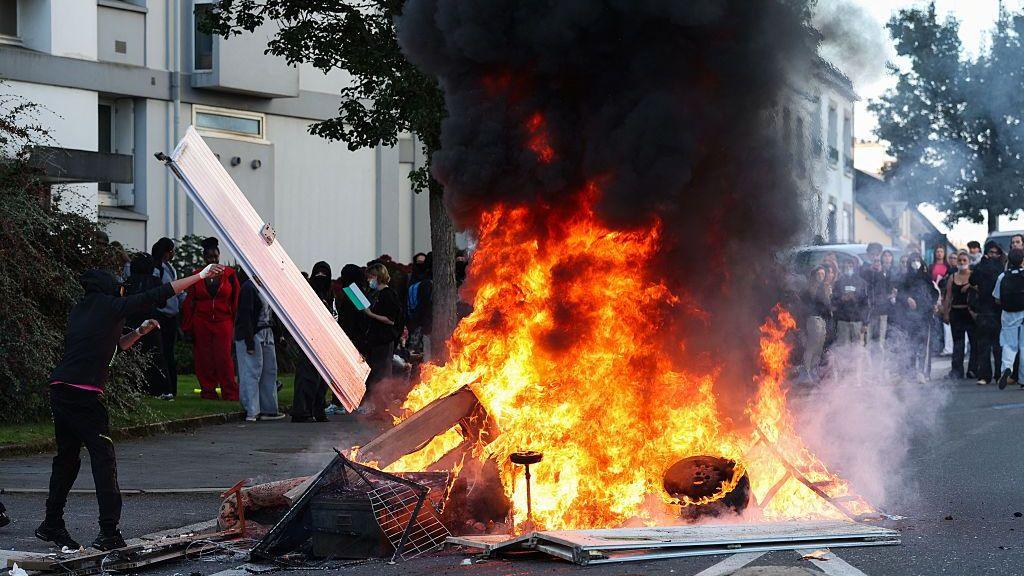
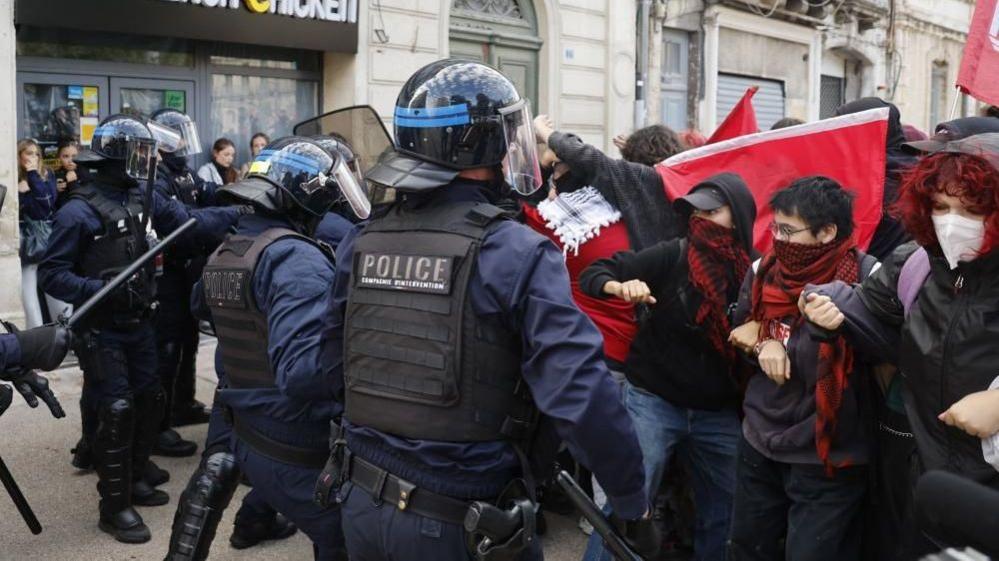
In the span of the march, police used tear gas to disperse crowds that had thrown paving stones and homemade fireworks at officers, leading to the arrest of 6,877 people – 86% of whom are under 18.
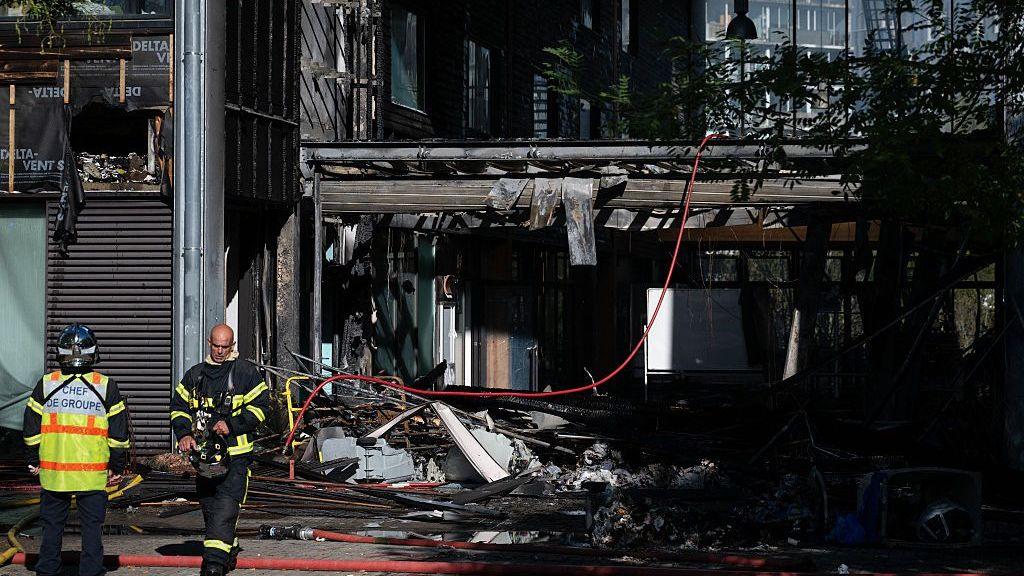
Incidents of violence were reported in Bordeaux, where a lycée was ransacked, and in Marseille, where a deputy‑head was assaulted.
Three‑hundred and forty lycées – barely 10% of the 3,500 in France – were partially or fully closed as a result of the protests, a significant drop from previous days but still a persistent blow to the education system.
Geffray explained that the new software launched by the ministry will enable the quick allocation of the 3,000 supply teachers to the around 500 lycées that government has identified as most badly short‑staffed, many of them in high‑immigration suburbs.
He added that additional funds will be made available under an existing scheme that rewards overtime hours, and that student grievances will be tabled in forthcoming budget discussions for 2027.
Union leaders have reacted cautiously. Nathanaël Combary of the Renouveau Lycéen union said protesters would only see substantive change when “money and concrete results” arrive. Sabrine Kharbach of the Student Union warned that the movement would continue until a €10 bn package is announced.
Political figures have weighed in as well. President‑candidate Jean‑Luc Mélenchon praised the demonstrations on X, declaring that the students had “retaken the Bastille.” A spokesman for the hard‑right National Rally condemned the concessions, calling the government’s actions a “legitimization of violence.”
Parallel to the school protests, a revived yellow‑vest movement has scheduled a day of demonstrations for 17 October, the same day that saw a halt to fuel tax rises in 2018. The proximity of these events could multiply tensions ahead of the national elections in April and May.
France’s government hopes that the approaching half‑term holidays and the colder, wetter weather will dampen the intensity of the protests, but the subsequent wave on Tuesday remains a critical test of the new teacher deployment plan and the wider commitment to education reform.