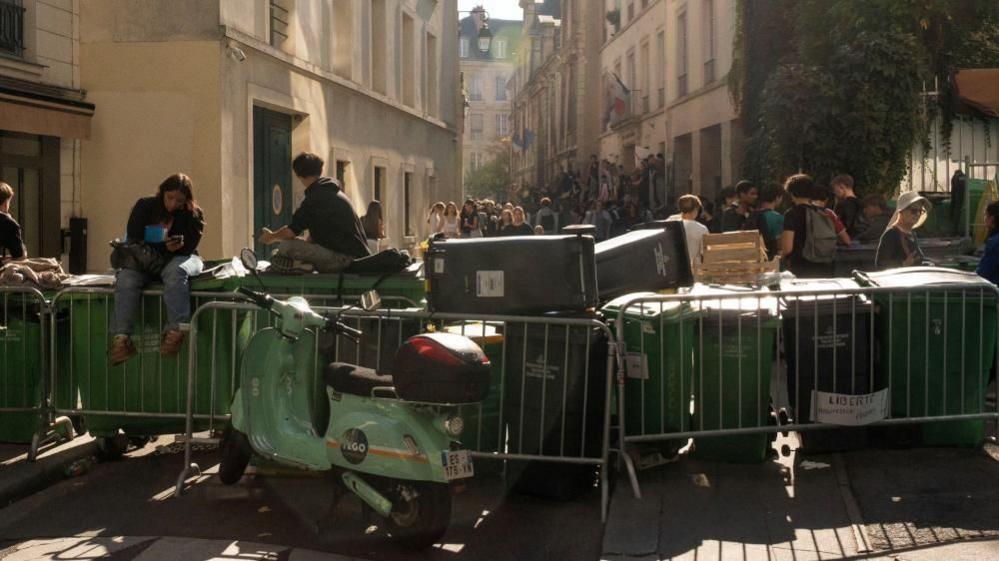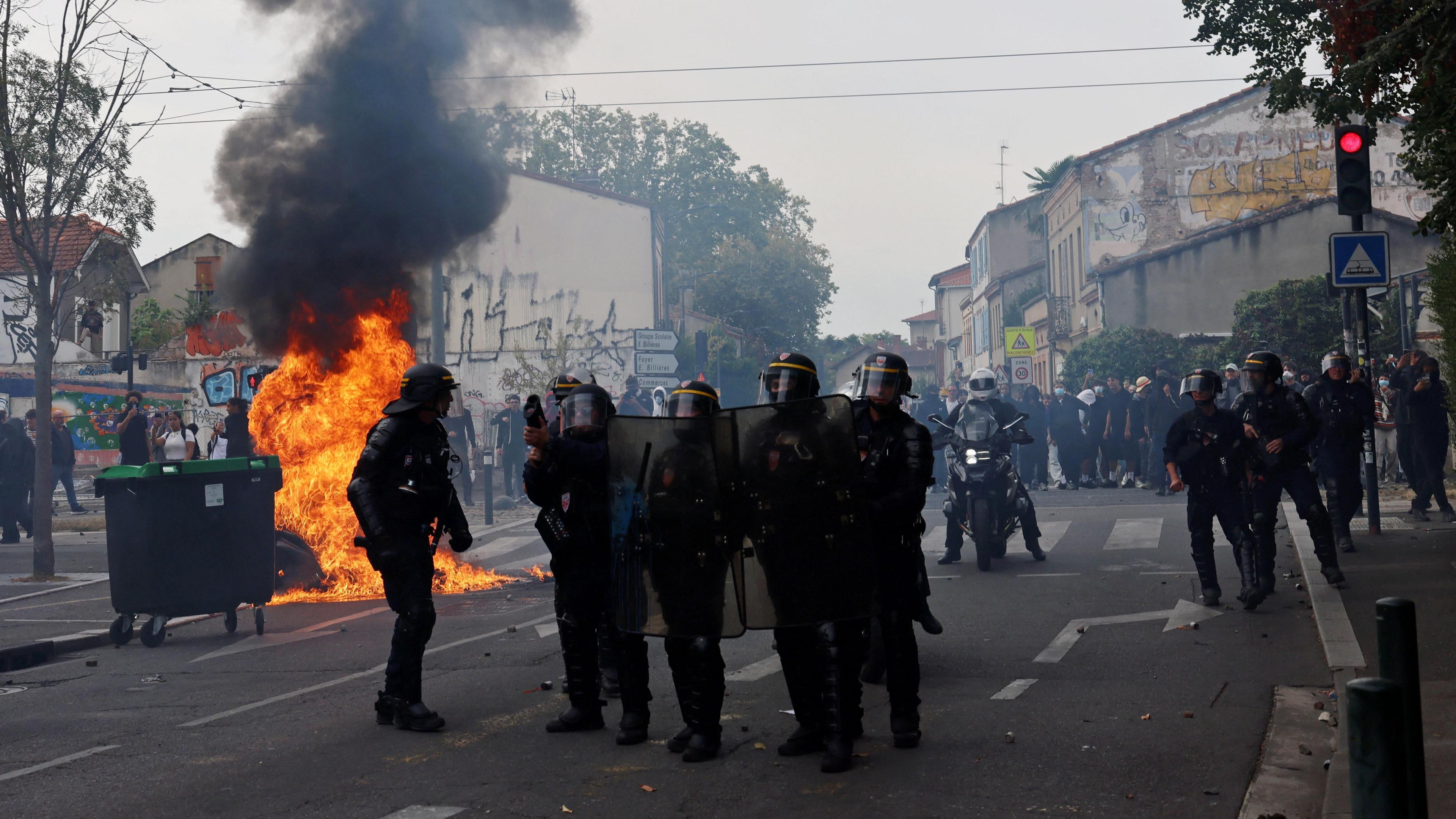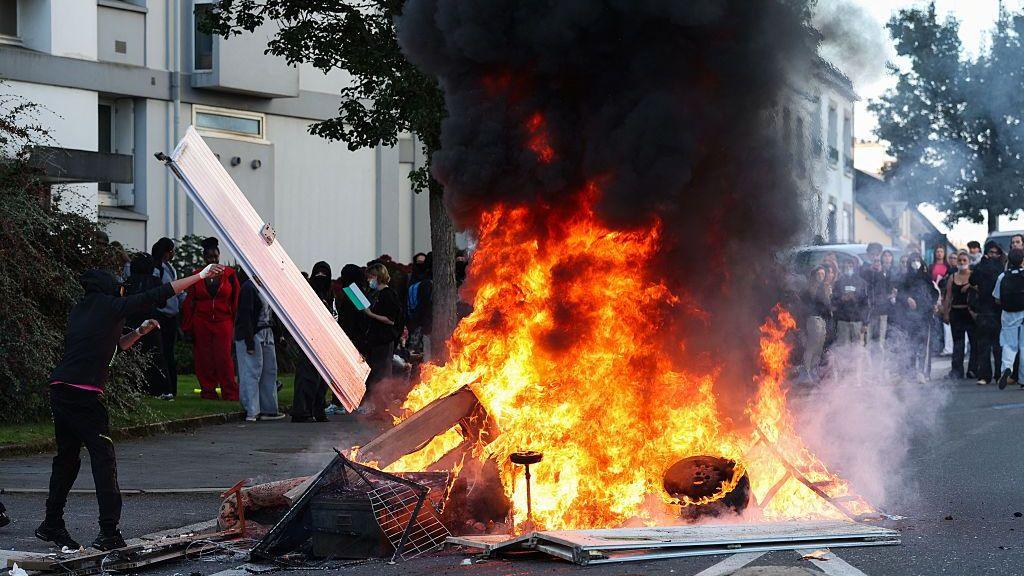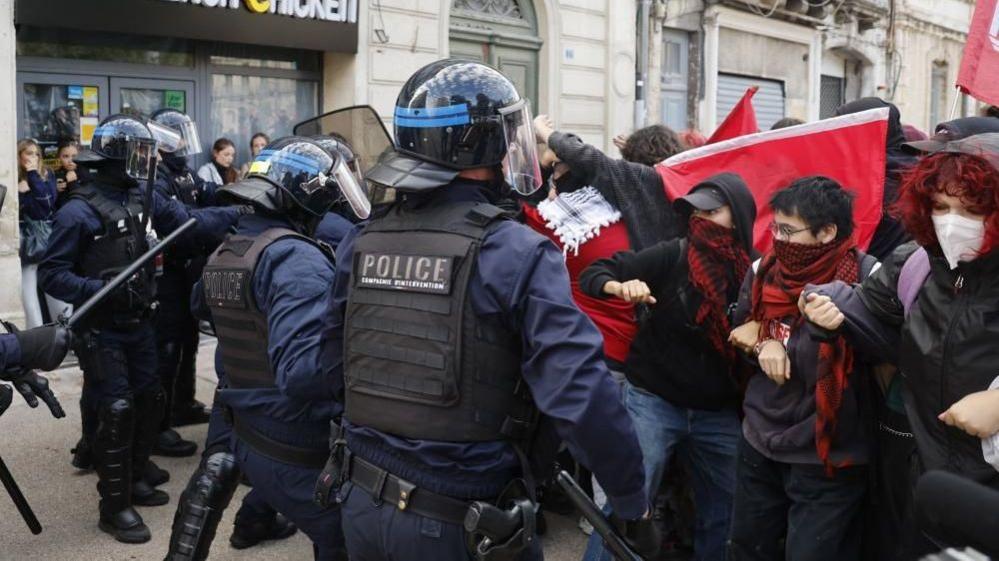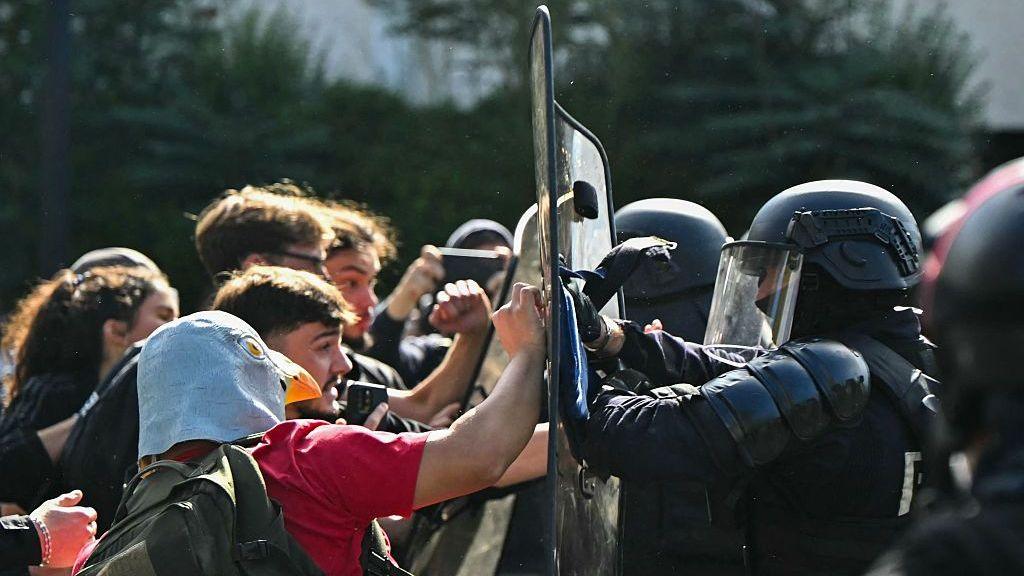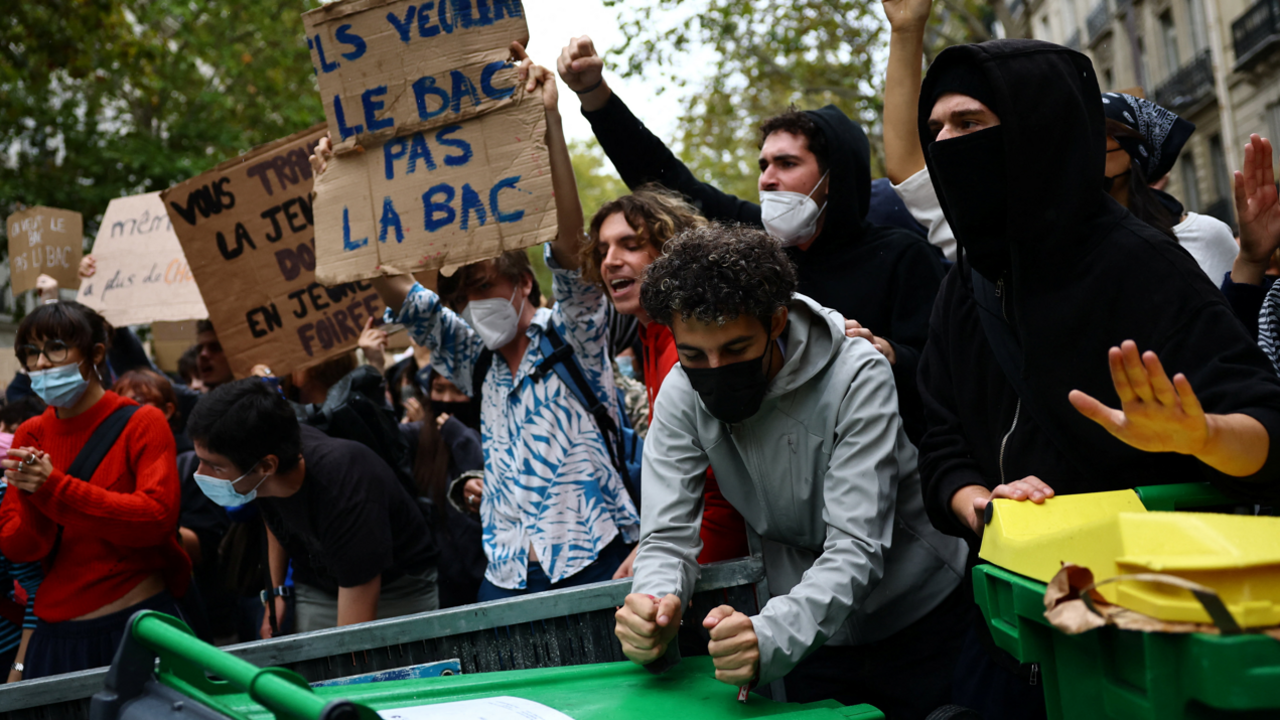
Since the end of September, students across France have surrounded schools and universities, turning every classroom into a site of protest. Their demands are simple: more funding for damaged facilities, replacement for teachers who often miss weeks, shorter days and a clearer path to university slots through Parcoursup.
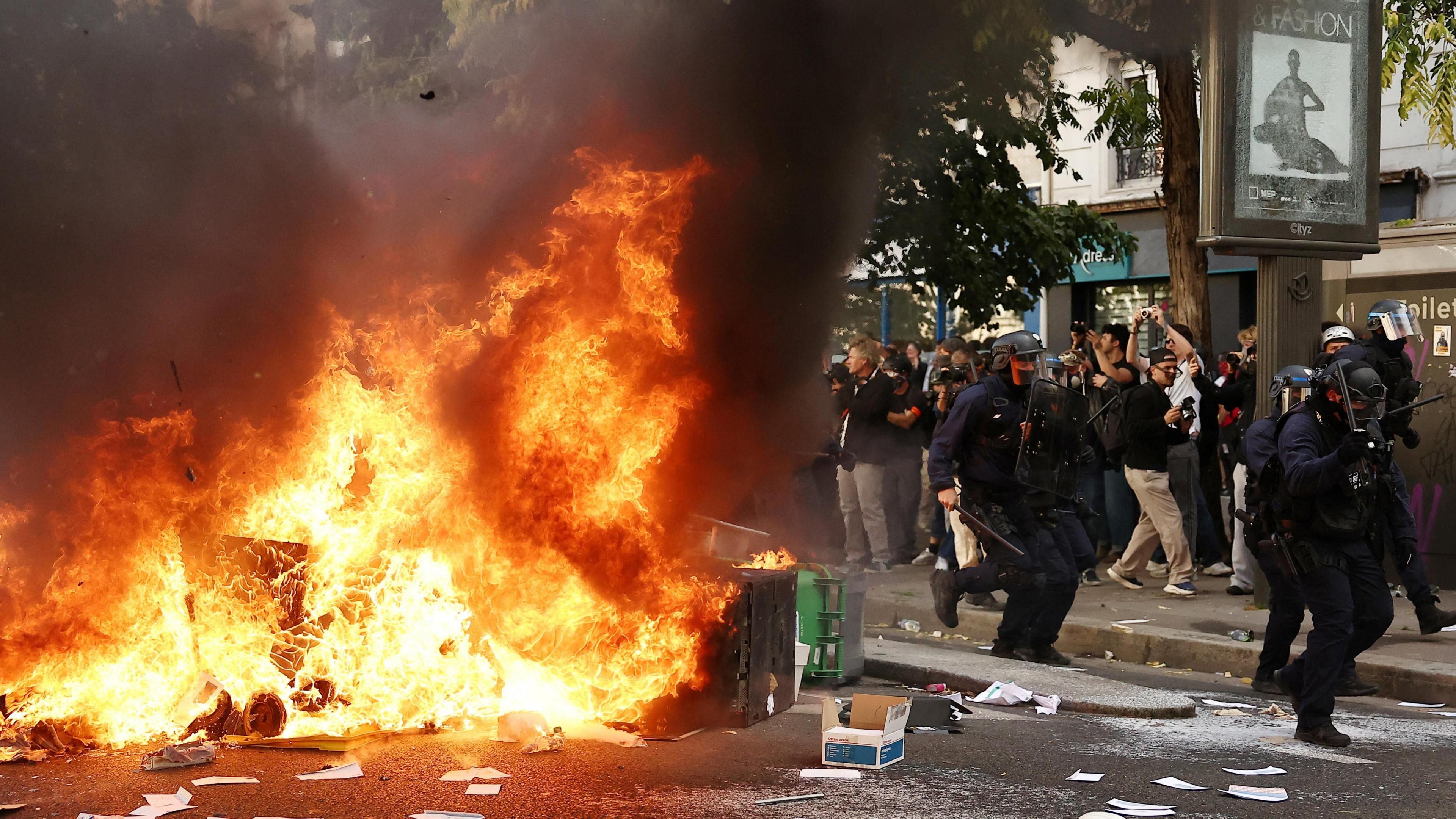
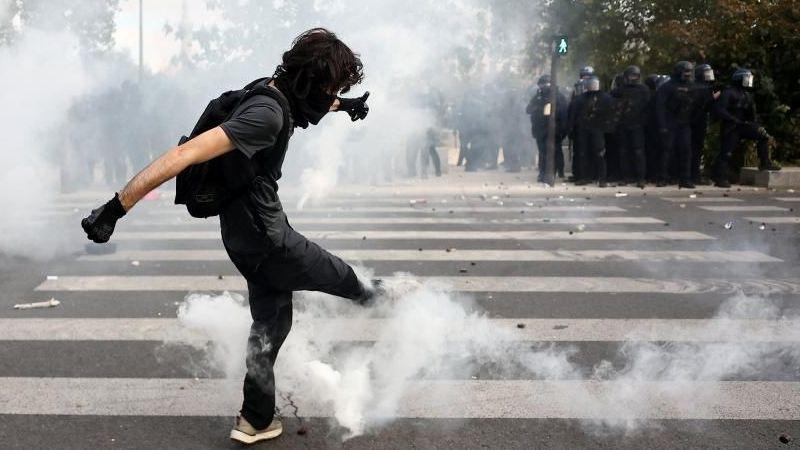
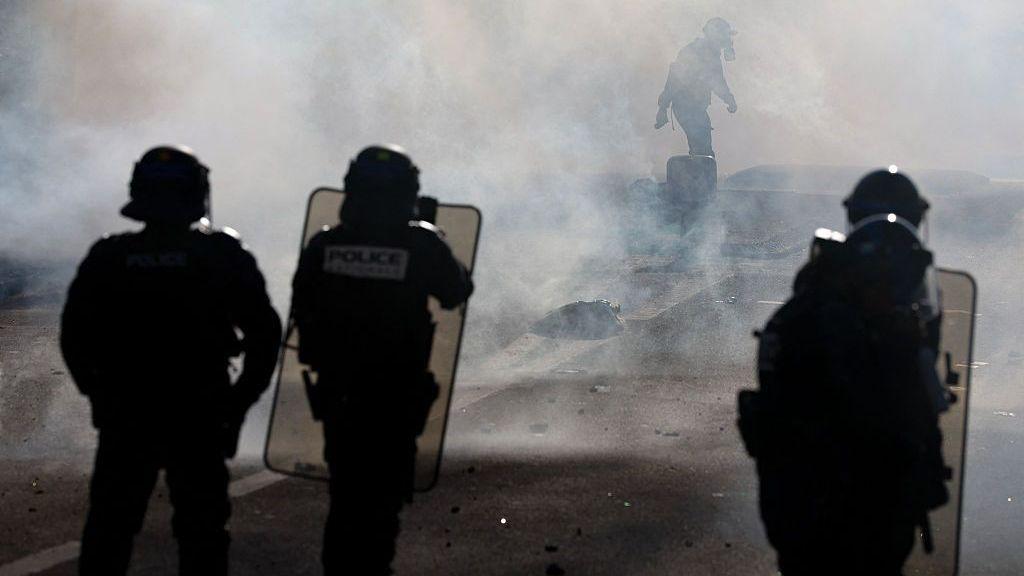
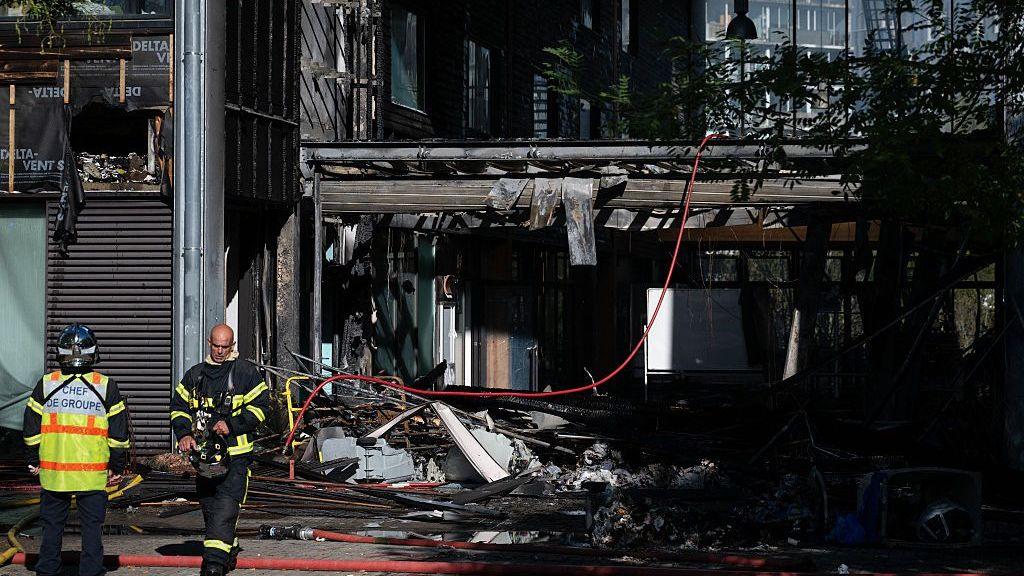
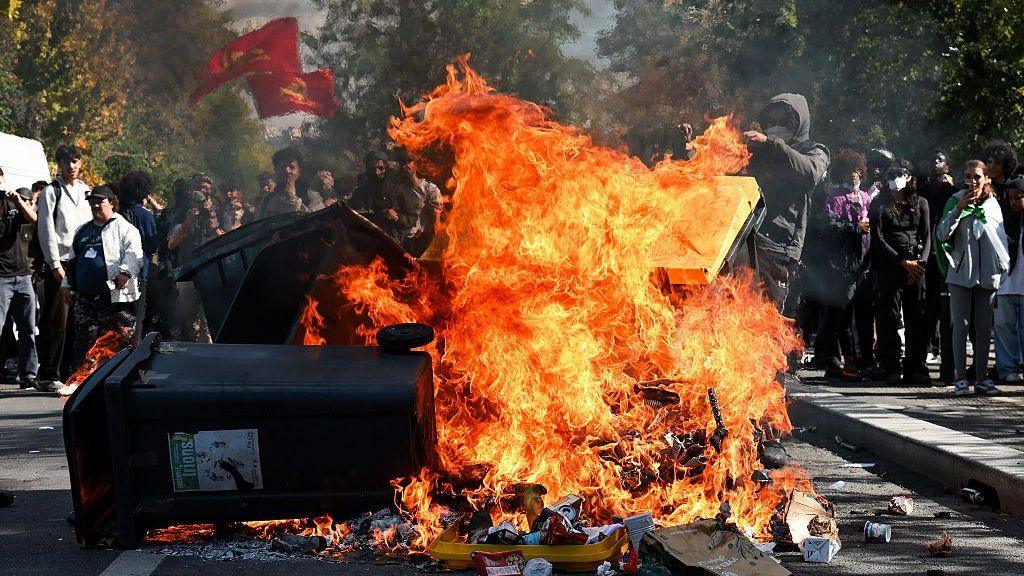
Within a few days the demonstrations turned violent. Police confronted mobs, tear gas was diffused over barricaded gates in Paris and other major cities. Hundreds of students, teachers and officers were injured and thousands were arrested, some of whom authorities suspect were not students at all.
The scale of the unrest is unusual. France, unlike most of its EU neighbours, spends more per lycée student than the EU average, yet the protests highlight that money alone does not cure teacher shortages or outdated schooling schedules. Short hours—often ending at 18:00 after long lunch breaks—leave students exhausted before the night’s heatwaves, amplifying frustration.
The current wave also taps into a longer history of student activism in France. In 1990, a rape in Seine‑Saint‑Denis sparked a nationwide rally that won an investment of about €1.2 bn in school budgets. By 1998, 500,000 pupils marched nationwide for similar reforms, yielding almost €1 bn and 14,000 new teaching posts. The pattern shows that student pressure can override government plans and, in some cases, sit the political establishment low.
Prime Minister Sébastien Lecornu has blamed the unrest on “outside troublemakers” and insisted that security forces were operating only to enforce the law. Yet polls now show that 72 % of the French public consider the students’ demands legitimate, and a majority supports the protest movement.
With the government already hampered by a heavy deficit, rising borrowing costs and a controversy around a proposed snap election, the prime minister’s budgetary options are cramped. Police are being called in as a last resort, but whether they can suppress a cultural tendency for on‑the‑street protest is uncertain. The next rally is set for Thursday afternoon, with teachers, unions and a wary left‑wing coalition backing the students.