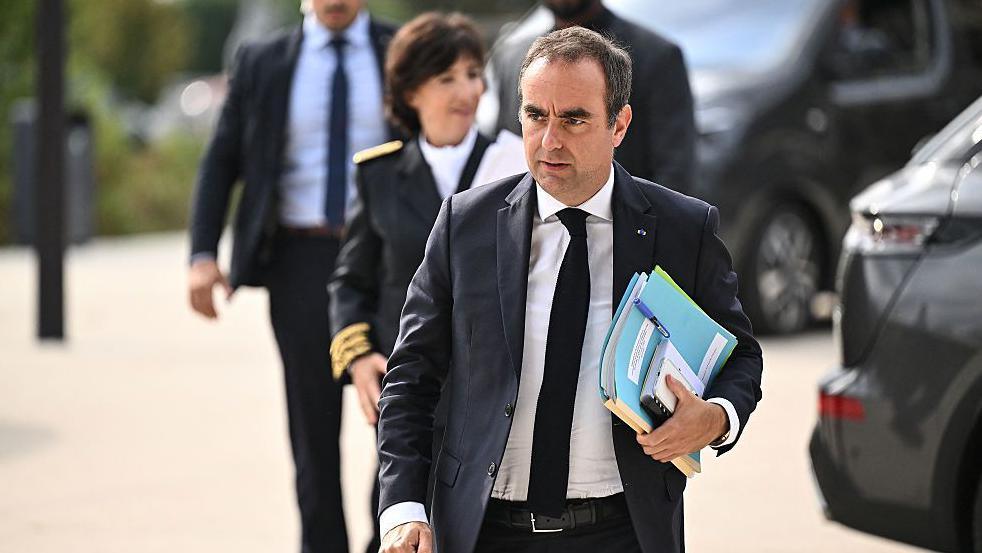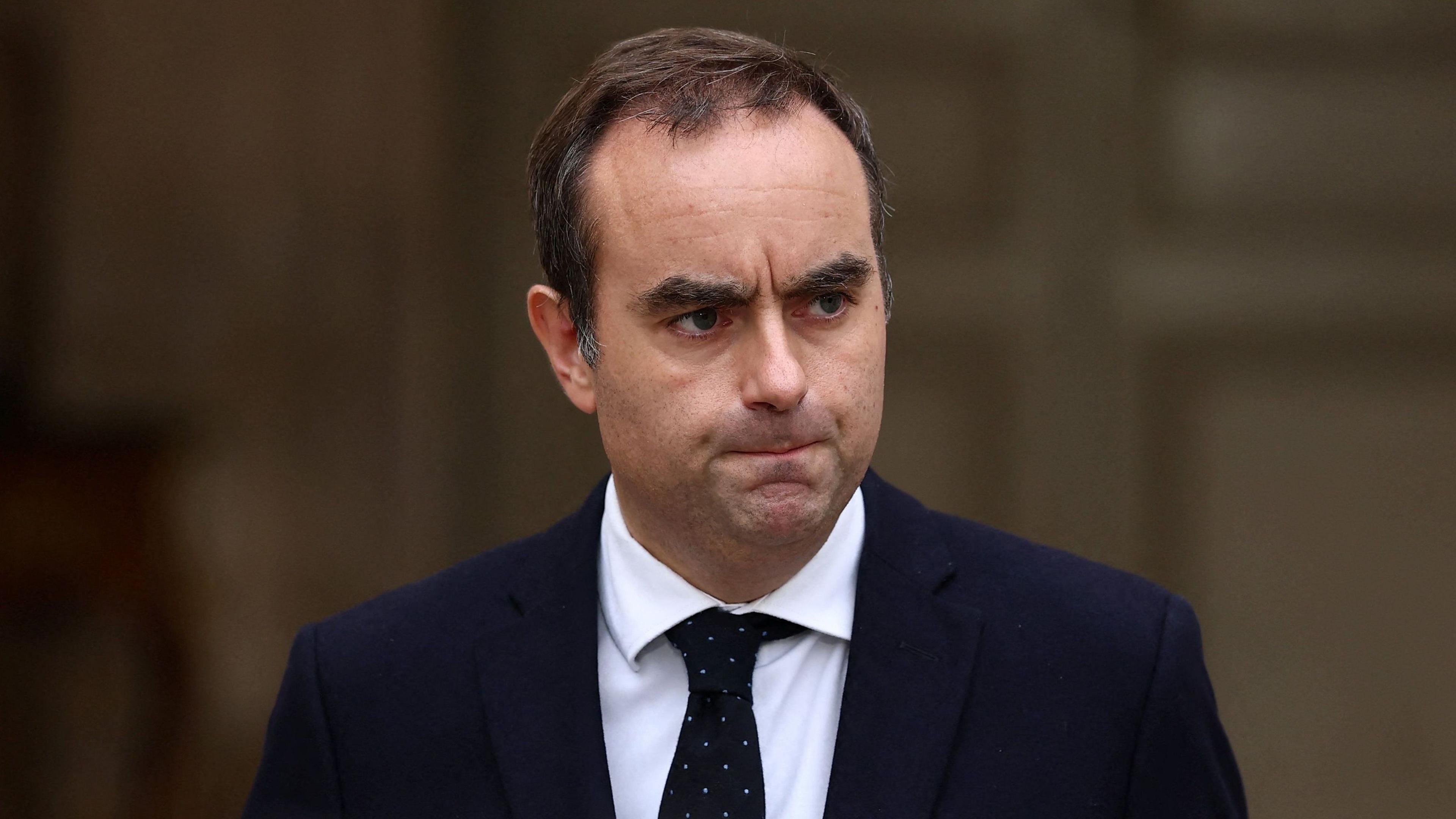
Prime Minister Sébastien Lecornu has cautioned against further escalation in France’s student protest wave, following the arrest of 164 demonstrators.
High‑school students have blockaded schools around Paris, starting last week over overcrowded classes and chronic teacher shortages. The incidents have spread to the southern regions of Alpes‑Maritimes and Var, and to Marseille, Lille and Sedan in the Ardennes.
In a post on X, Lecornu condemned “fireworks, fires, violence near high schools” and said no legitimate protest justifies endangering students, staff or police officers. He added that the government will “listen to the difficulties of high schools” but will not tolerate violent acts, demanding that perpetrators be held accountable.
The Union Syndicale Lycéenne condemned the violence, describing the protests as a “legitimate response” to 10 years of policy failures and a lack of resources in the national education system. It called on students to block “defend their rights and oppose budget austerity.”
Interior Minister Laurent Nuñez reported injuries: 12 security officers, 12 students and 3 school staff. He described the demonstrations as “not very typical protest movements,” highlighting masked participants armed with fireworks and projectiles who confronted police.
Nevertheless, the Prime Minister blamed far‑left France Unbowed leader Jean‑Luc Mélenchon for urging students to expand the movement, while the union insisted the students were “harmless.”
Police investigations are underway after an officer allegedly fired a grenade‑launcher round, injuring a student. The broader protest movement has drawn support from teachers, hospital staff and civil‑servant unions, who announced a day‑of‑walkout in solidarity, protesting low wages and poor working conditions.
While the government promises to address systemic educational shortcomings, the spread of violent tactics poses a challenge to maintaining order while addressing legitimate youth grievances.