In brief
This summer, the French countryside has been scorched, prompting 420 arrests for suspected arson – 166 of them minors. While a few cases involve deliberate ignition, most experts say fires start from accidental sparks, such as barbecues or cigarette butts. Lawyers and media argue that the investigations are rushed and sometimes unjust. Meanwhile climate change and a coming heatwave have intensified concern over future fires.
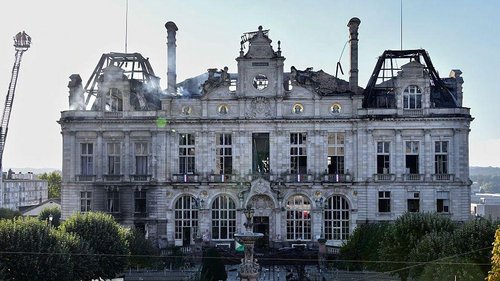
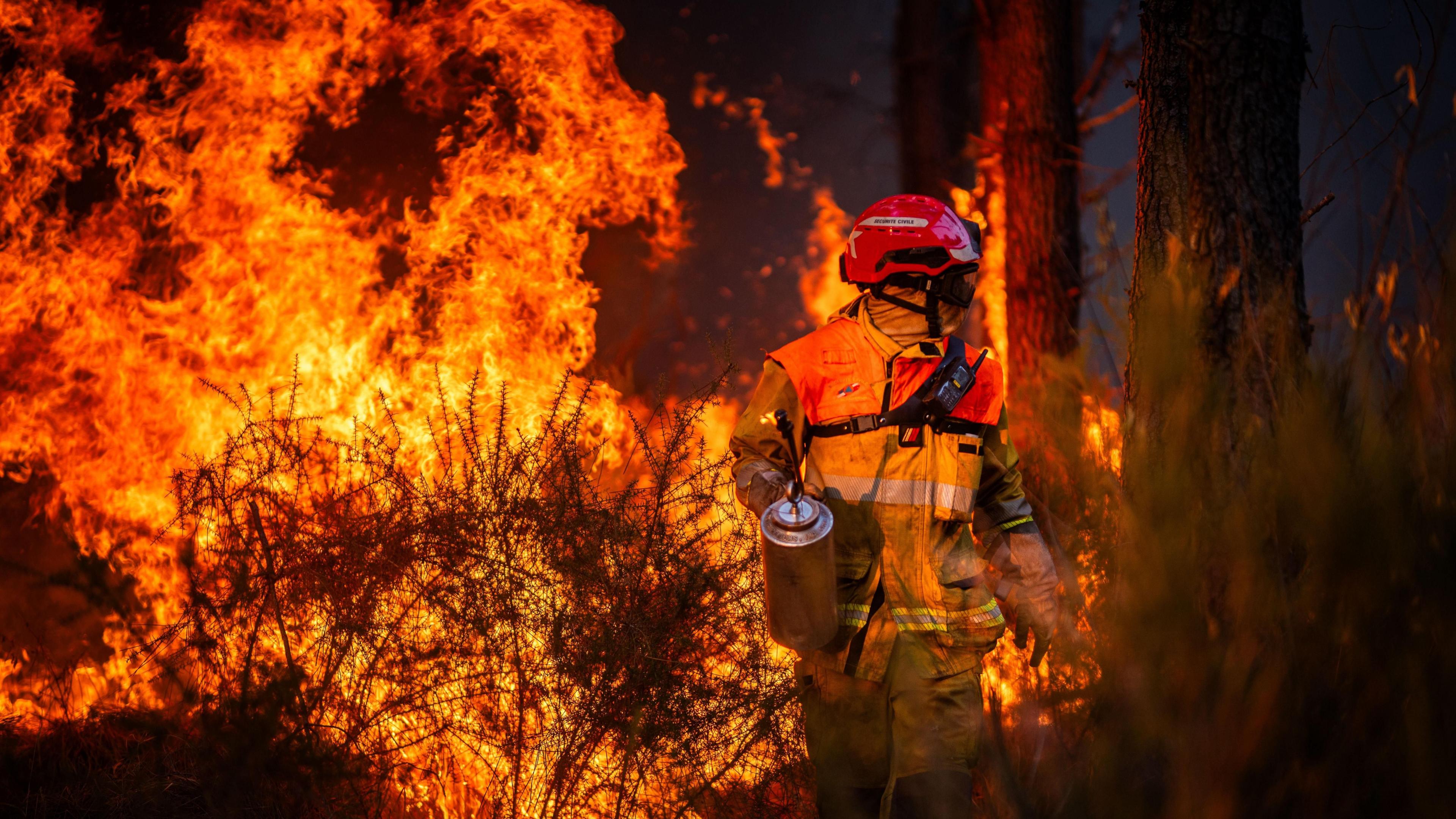
After wildfires caused more damage in France this year than at any time since World War Two, many are left asking a single question: Why?
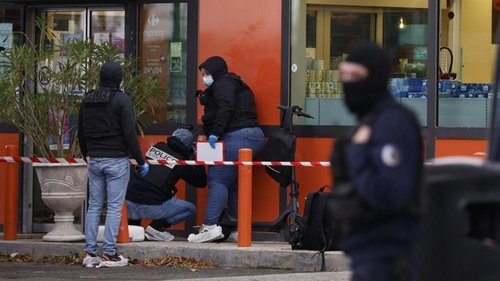
The French interior ministry has announced 420 arrests of people alleged to have either started the fires deliberately or by accident – 166 minors included.
In one case, a 23‑year‑old man faces 15 years and a €150,000 fine after allegedly starting 10 fires in five days in the Var area. Others have been sentenced immediately, for instance a man got three‑year jail for three fires in the Vosges.
Local lawyers, such as Muriel Gestas, argue that the arrest numbers feel excessive and many convictions may not stand. Le Monde has questioned whether police have thoroughly examined the cases before pressing charges.
According to fire‑investigator Eric Dufayet, wildfires can start from the simplest spark when the right conditions exist – high temperature, low humidity, gentle wind and an unburnt cigarette. He explains the so‑called "30 rule" and how the French drought makes this easier.
Most fires are believed to be accidental, triggered by construction work, faulty equipment, cigarette butts or barbecues, not deliberate arson. However, a small number of arsonists still exist, often driven by insurance payouts or personal compulsion.
President Emmanuel Macron has called the fires "completely unprecedented" and urged the country to replant forests adapted to climate‑change realities while keeping the public united during the next heatwave.
The damage has hit more than 300,000 acres, thousands of homes, local businesses and air quality – leaving the public with many questions about fire prevention, justice and future preparedness.