In brief
In the last week, drug gangs sparked at least three shootings in Brussels’ St Gilles, a central neighbourhood near the international Midi train station. A bullet‑impacted pizzeria alarmed locals, and a suspect was shot the day before. Police say the violence mirrors Marseille’s gangster tactics, prompting the deployment of forty additional officers. Residents, including pizzeria owner Salvatore and elder Murielle, stress the need for prevention over repression. Brussels authorities warn that an escalating drug trade threatens community safety and property values.
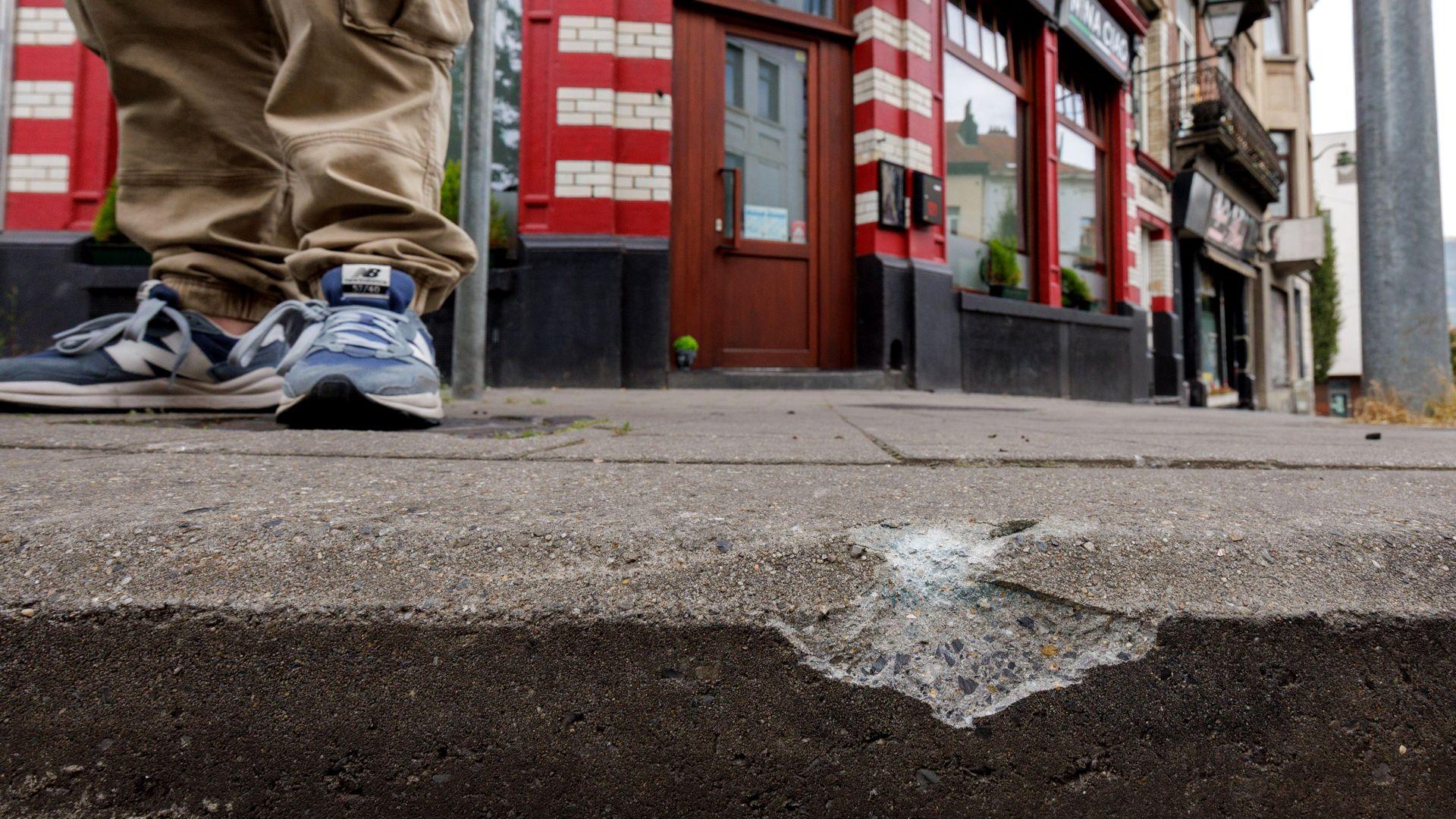
The last Monday night, pounding bullets turned Salvatore’s pizzeria in Brussels’ St Gilles into a crime scene as drug gangs fought over territory.
"We dropped to the floor. I had clients eating on the terrace with children. Look, we can see the bullet impacts everywhere," Salvatore told reporters, his voice trembling.
St Gilles is a central area close to the international Midi train station, where commuters arrive from London and Paris. It has become a flashpoint for drug‑related violence.
The authorities report over 100 shootings in 2025 alone, and more than 65 incidents so far this year—triple the number in the last two weeks. This was the third shooting in the neighbourhood in just three days.
“Are we in an American gangster movie? This needs to stop,” Salvatore said.
In the same block, a suspected drug dealer was wounded in a shooting the day before. Murielle, a 70‑year‑old resident, now sits in the square almost in the same spot, eyeing the faint pool of blood that remains a painful reminder of the violence.
“We can still see the trace of the pool of blood,” she said. “I like it here. It’s like a little village inside the city. Even the drug dealers used to be polite and decent. I would just tell them to go further away and they’d say, ‘Yes, ok mama!’”
The drug trade now flows openly. Only five minutes after a day’s arrival, a buyer shakes hands with a seller and walks away with the product. Crack has become a staple among the poorest citizens of Brussels.
“Things have changed in the past six months,” Murielle said. “The business has intensified. Sometimes you even see consumers queuing to buy drugs, and now gangs are fighting over this spot.”
According to Chief of Brussels South Police, Jurgen de Landsheer, a successful drug‑dealing point can net up to €50,000 ($58,000) per day. He warns that organised crime has become significantly more violent and that over 200 drug‑dealing points operate across the city.
The spike in shootings has forced authorities to act. On Thursday, Belgium’s interior minister announced that an extra 40 police officers would be deployed in the affected area.
“There is no magic solution. We need prevention over repression,” de Landsheer said. “We can do our part and be present in the street, but our society also needs to give a future to the young people, do something with them.”
Back in St Gilles, Salvatore stresses that the violence must stop: “Nobody sleeps here at the moment. People talk about moving out, houses are losing value.”
Murielle remains hopeful, insisting: “We will not be intimidated. We’ll keep on living and we’ll keep protecting our lovely neighbourhood.”
The incident illustrates a broader European trend: drug‑related violence in Brussels echoes the situation in the French port of Marseille, with cocaine trafficking typically entering via nearby Antwerp. Police say that while violence escalates, the city still resists becoming a no‑go zone like some of Marseille’s bad neighbourhoods.