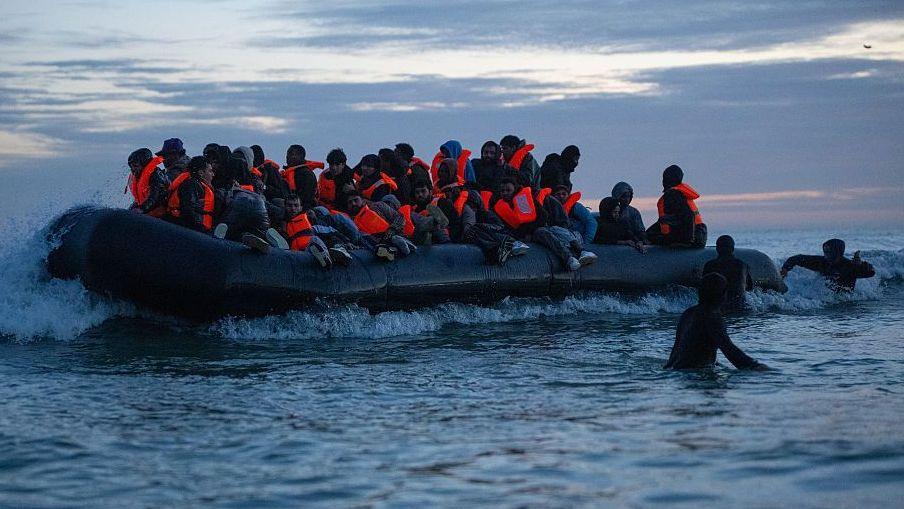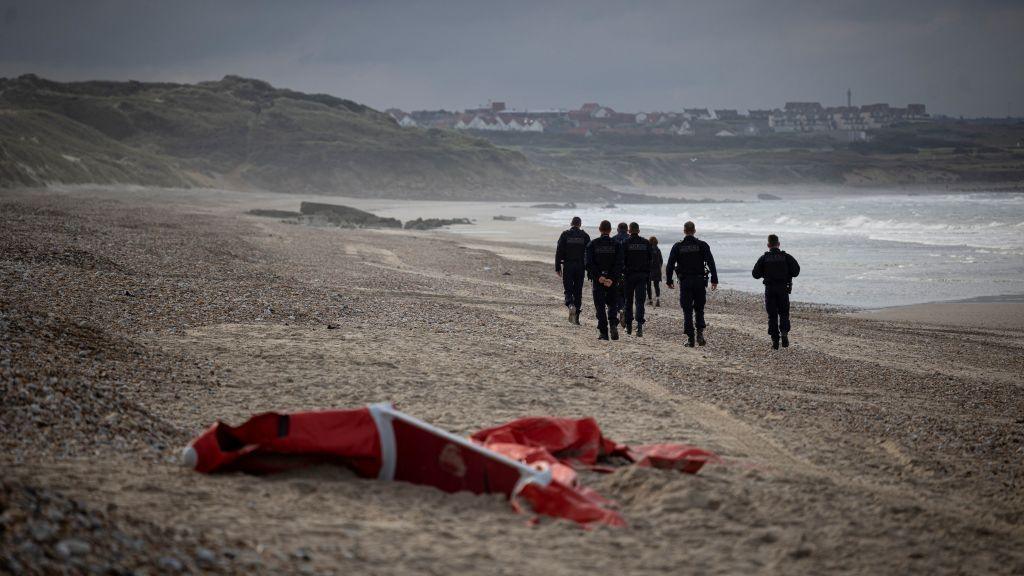
In a Paris courtroom, six men were convicted of manslaughter after their small boat crashed on the English Channel, killing 31 desperate migrants in late 2021.
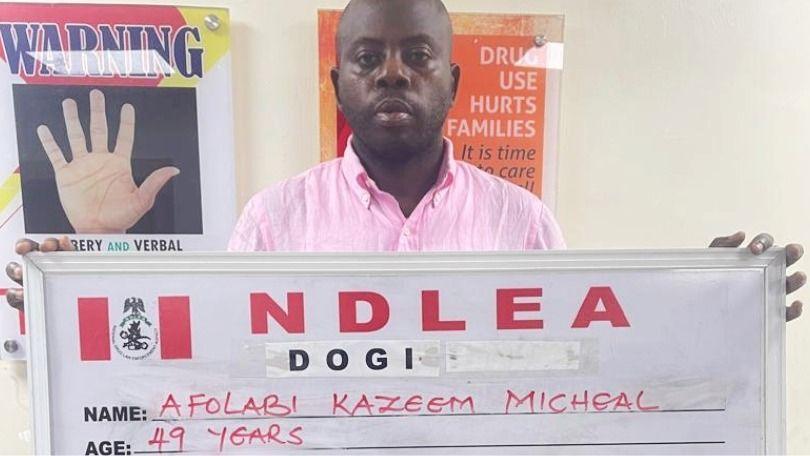
The eight‑week trial concluded with prison terms ranging from six to ten years, the longest sentence going to Obaidullah Maroofkhel of the Afghan network that ran the final leg of the journey.
The passengers were mainly Iraqi Kurds, joined by a handful of Afghans, Egyptians and Iranian Kurds. Only two men survived after the vessel was found flooded, with lifeboats, life jackets and certified sea‑worthiness lacking.
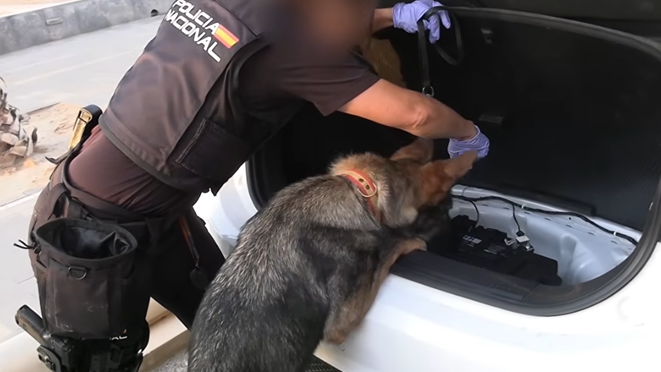
French investigators used mobile phone tracking to locate two separate smuggling rings. One network operated from Iraqi Kurdistan, the other from Afghanistan, and the court held that the traffickers orchestrated the trip and arranged the meeting point where the doomed boat set out.
Family members of the victims stood in the court, many having followed the migrants’ progress from Iraqi Kurdistan through Turkey, Italy and France. Their testimonies highlighted how the boys had been lured with promises of a better life and how their families could not prevent them from attempting the crossing.
One survivor, Issa Omar, described how he clung to a life jacket and refused to sleep in the freezing water, shouting over waves that he would be lost beneath the sea.
Police also opened a separate investigation into seven French armed‑forces personnel who allegedly ignored distress calls on the night of the disaster. The decision comes as France and the United Kingdom announce the end of their one‑in‑one‑out migration scheme, signaling doubts about the policy’s ability to curb smuggling.