In brief
Cuba is experiencing severe power outages after its national electric grid collapsed, impacting millions of citizens. This incident highlights ongoing issues related to fuel shortages exacerbated by a US blockade, leading to public unrest and protests over energy shortages. The grid operator, UNE, is working to restore power as Cuba faces rising discontent among its population.
Millions in Cuba have been left without power after the national electric grid collapsed on Monday, the country's power operator stated. This incident is the latest in a long line of widespread power outages plaguing the nation, worsened by chronic fuel shortages exacerbated by a recent US blockade on oil shipments to the island.
Cuba's grid operator, Unión Eléctrica (UNE), is reportedly working to gradually restore electricity in various provinces and cities across the country. The island, home to approximately 10 million people, has faced recurring blackouts in recent years, leading to public discontent and rare protests.
Reliance on imported fuel has been a significant factor in the current crisis, with Venezuela historically supplying around 35,000 barrels of oil daily to Cuba, accounting for nearly half of its oil needs. However, reports indicate that these shipments have halted since the US captured Venezuelan president Nicolás Maduro earlier this year.
Following this, the US increased pressure on Cuba by seizing multiple oil shipments bound for the island. Presidential threats from Donald Trump to impose tariffs on any country supplying oil to Cuba have further intensified the situation. According to Cuban president Miguel Diaz-Canel, no oil shipments have arrived in Cuba in the past three months.
Trump’s recent comments referenced potential US policy changes regarding Cuba, stating his intention could range from 'freeing' to 'taking' the nation amid its struggles. This commentary comes on the heels of ongoing negotiations between Cuba's government and the Trump administration aimed at resolving their differences.
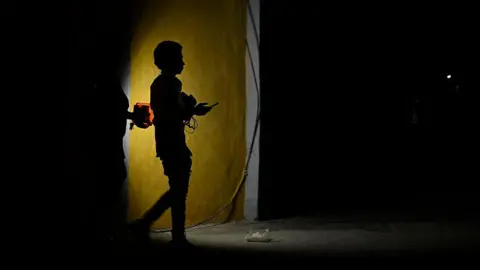
As the outages persist, public frustration is growing. Recent protests have erupted over food prices and consistent power outages, including an incident where demonstrators stormed a Communist Party building in Moron. A Havana resident lamented the blackout, stating, We're getting used to living like this, indicating a troubling normalization of such hardships.
As Cuba continues to grapple with this crisis, the government’s ability to manage public discontent will be tested amid these ongoing challenges.