Military takeovers are nothing new in Guinea-Bissau. The West African country has experienced at least nine attempted and successful coups since gaining independence from Portugal in 1974.
But when military officers announced they had seized control of the country last Wednesday, some analysts and political figures were sceptical.
All the typical ingredients for a coup were there: gunfire was heard near the presidential palace, the President - Umaro Sissoco Embaló - was arrested, and soldiers gave an address on state television.
Still, other circumstances of the incident have been called into question. Senegalese Prime Minister Ousmane Sonko and former Nigerian President Goodluck Jonathan are among voices suggesting that the takeover was planned by Embaló.
Complicating matters, the military insisted they had taken over the country but rejected the term coup. The junta claimed they acted to counter a plot by unnamed politicians allegedly backed by a notorious drug baron, as Guinea-Bissau is known as a drug-trafficking hub.
What happened in the lead-up to the coup?
Just three days prior, Bissau-Guineans voted in a presidential election, in which Embaló sought a second term against his primary rival Fernando Dias da Costa.
Days before that contest, the opposition leader Domingos Pereira was disqualified, leading to speculation about the election's integrity.
What happened on the day of the coup?
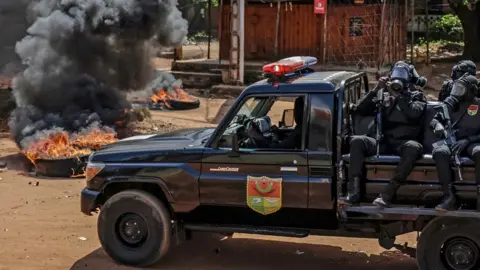
Gunfire erupted in the capital, Bissau. Embaló reported he was arrested by armed men at the presidential palace while military personnel announced their actions on state television, suspending the electoral process.
As chaos unfolded, armed men attacked the electoral commission's headquarters, obstructing the publication of election results.
Why is there scepticism surrounding the coup?
The opposition and international observers have raised doubts regarding the military's claims. Critically, Embaló's swift exit via military flight to Senegal after his release prompted questions.
Flávio Baticã Ferreira, a PAIGC official, noted that no ousted leaders typically leave so unimpeded.
Why would someone fake a coup?
Embaló has been accused of staging coup attempts to suppress dissent, a charge he denies. Political analysts speculate the military may have acted to prevent a deadlock in the election, opening the door for their intervention.
Who is in charge of Guinea-Bissau now?
Gen N'Tam, formerly the army's chief of staff, has assumed leadership for a transition period of one year and appointed a new cabinet.
How have Bissau-Guineans reacted?
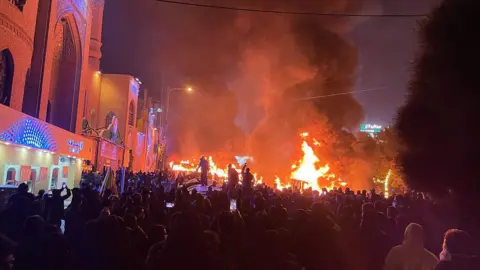
Demonstrations erupted demanding Pereira's release and the publication of election results. There’s a mixed response from the public, with calls for civilian resistance alongside support for potential reforms to improve living conditions.