In brief
After nearly three weeks of one of the most severe internet shutdowns in history, a limited restoration of internet services in Iran has begun, albeit under strict government control. Independent analysis reveals that many citizens remain unable to connect effectively, as the authorities seem to selectively permit access to certain platforms at designated times. As protests continue despite devastating crackdowns, the Iranian government faces pressure to balance connectivity with information repression, which has reportedly led to thousands of casualties.
Nearly three weeks into one of the most extreme internet shutdowns in history, some of Iran's 92 million citizens are beginning to get back online - but access appears to be tightly controlled.
The country cut off internet access on 8 January, in what is widely seen as an attempt to stem the flow of information about a government crackdown on protesters.
Iranian Foreign Minister Abbas Araghchi said the internet was blocked in response to what he described as terrorist operations.
Now there is evidence that some internet access has returned - but independent analysis indicates much of the country is still effectively cut off from the outside world.
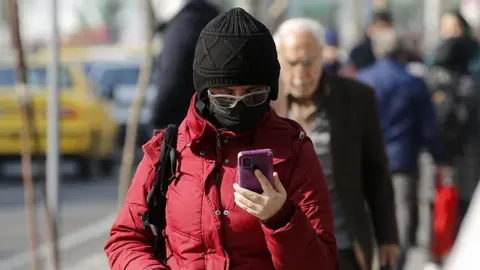
Iran's reformist Shargh newspaper has reported that some officials had claimed mobile internet had been restored. However, it said many users still do not have full access and can only connect intermittently and for very limited periods, often after repeated attempts.
Firms which monitor web traffic say there are signs of the internet being used inconsistently, raising questions about who is able to connect, and under what conditions.
What we're seeing isn't a return to normal, said Doug Madory, director of internet analysis at network intelligence firm Kentik.
He stated, Major platforms are being allowed and blocked at different times during the day.
Independent internet monitoring group NetBlocks reported similar findings. Madory added that the pattern could suggest authorities are testing a new system to block web traffic in real-time.
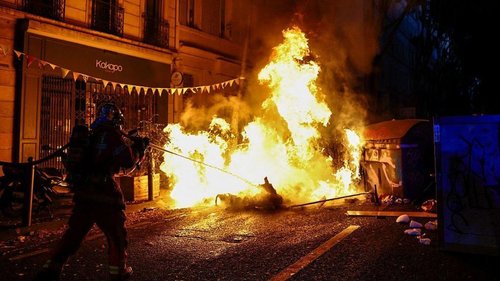
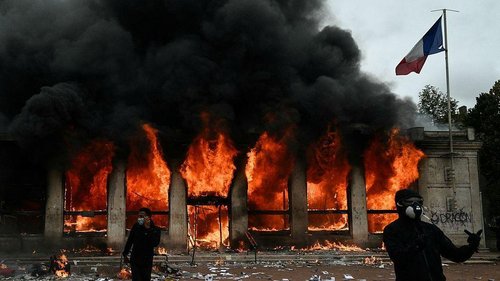
Human rights organisations claim that this tight control over internet access has limited information regarding the crackdown on protesters. The Human Rights Activists News Agency (HRANA) reported as of 26 January it had confirmed the deaths of 5,925 protesters, with warnings that the final toll could be several times higher.
Intermittent connections
Observers believe the unrest may have given authorities an opportunity to accelerate measures to tighten internet control, likely facing less resistance due to the current situation.
According to sources cited by Shargh, internet access in Iran has been divided into various levels, from complete shutdown to normal access, with current connectivity still far from full restoration.
Users have reported being able to connect intermittently to some services such as Google Meet, Telegram, and others, but foreign messaging apps, including WhatsApp, remain restricted.
After nearly three weeks of disruption, the Iranian Minister of Communications reported significant financial losses due to the shutdown. Authorities seem to have introduced controlled internet access for businesses, which could be part of a selective management plan.
Internet freedom observers have warned that authorities are implementing new systems to close Iran off from the international internet. With the surrounding context, a full restoration of internet access in Iran might remain an elusive goal.