NEW YORK (PulseWire) — Tick season appears to be commencing at an alarming rate, with a notable increase in tick bites reported across the United States. Health professionals are expressing concern over the potential rise in tick-related illnesses this year.
“An increase in exposure likely means a greater number of tick-borne infections among the population,” stated Dr. Alina Filozov, an infectious disease specialist from Middlesex Hospital in Middletown, Connecticut.
The Centers for Disease Control and Prevention (CDC) issued an early warning this week, advising the public on the importance of taking preventive measures against tick bites. Traditionally, ticks become more prevalent in May, but experts are urging immediate action based on early data trends.
Emergency Room Visits on the Rise
Current statistics are limited, but indications of trouble are evident. The CDC’s tracking system shows a surge in emergency room visits related to tick bites, the highest for this period since 2017, with reports from nearly all regions except the south-central U.S.
Approximately 85% of U.S. emergency rooms participate in this data collection; however, it doesn’t account for individuals who sought treatment elsewhere.
Understanding the Risks of Tick Bites
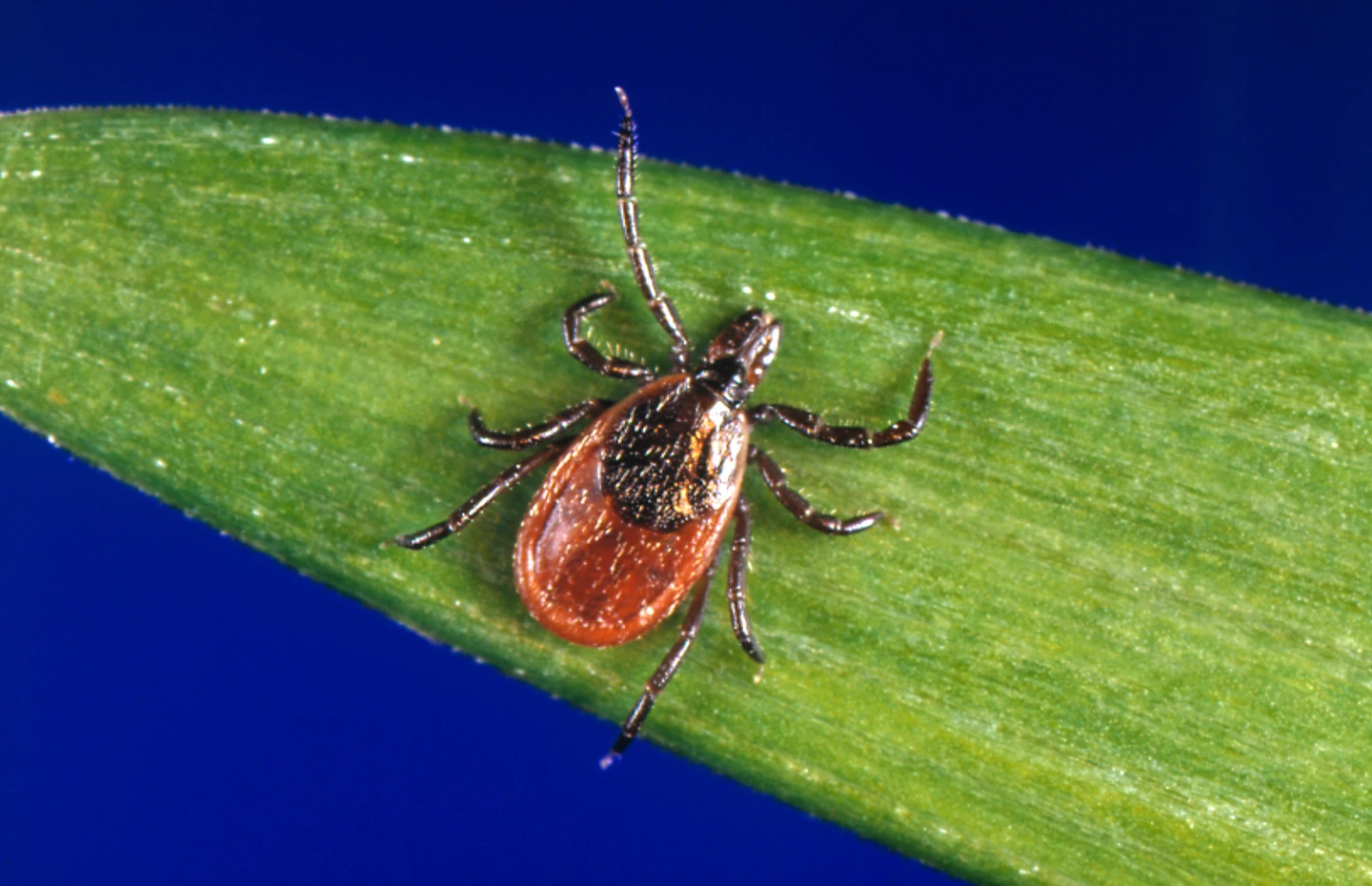
Ticks, small arachnids that feed on the blood of animals and people, can carry infectious germs leading to serious diseases like Lyme disease, Rocky Mountain spotted fever, and even the alpha-gal syndrome, a red meat allergy.
While treatment is often available, including antibiotics for Lyme disease, awareness and preventive measures are crucial as tick populations bloom this season.
Connecticut, a region significantly impacted by Lyme disease, is experiencing high tick submissions for testing, with 40% testing positive for Lyme-causing bacteria. Experts like Scott Williams from the Connecticut Agricultural Experiment Station attribute the tick surge to higher rodent populations over the past two years.
Best Practices for Prevention
To avoid tick bites, experts recommend staying on cleared paths when outdoors, wearing light-colored clothing treated with insecticides like permethrin, and using EPA-registered insect repellents. If a tick is found, it should be removed promptly. Medical attention is advised if a tick has been attached for an extended period or if symptoms develop.
The current spikes in tick activity point towards a potentially challenging season ahead, urging the public to remain vigilant and proactive against tick bites.