In brief
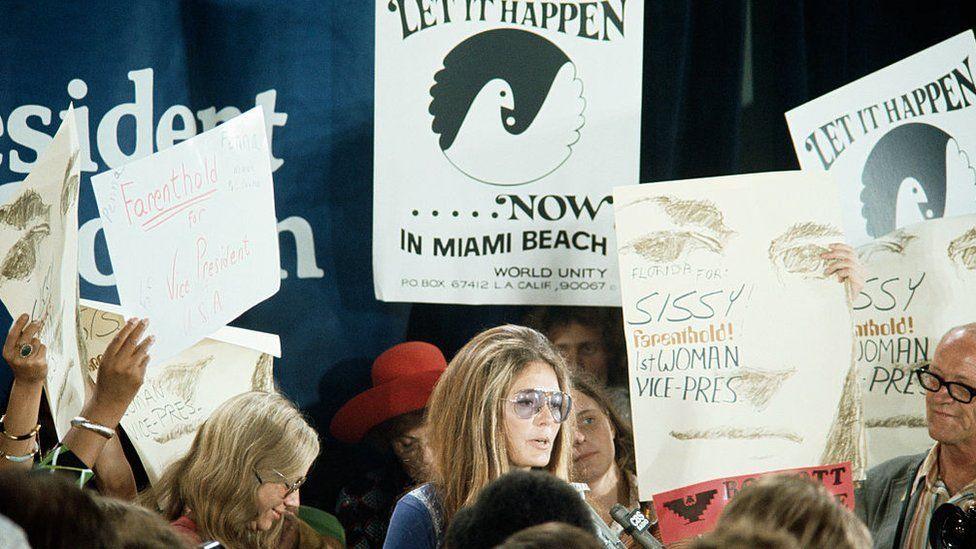
Gloria Steinem emerged from a nomadic upbringing to become a global icon of the feminist movement. Her bold journalism, from undercover exposés at Playboy to founding Ms. magazine and championing abortion rights, sparked legislative change and cultural shifts. Steinem's legacy continues to inspire activists and reshape societal discourse around equality and gender. Over five decades, she remained a gritty voice amid backlash, heroin advocacy and personal evolution, cementing her title as the face of second‑wave feminism.
Born March 25, 1934 in Toledo, Ohio, Gloria Steinem’s early years were shaped by a migrant father, a mother battling chronic illness, and a life on the road. Only 12 years old, she entered a full‑time school, a delay that foreshadowed the perseverance she would later bring to the fight for women’s equality.
Early Activism and the Playboy Exposé
In 1963, under the alias “Marie,” Steinem infiltrated Hugh Hefner’s Playboy empire, documenting the exploitative treatment of Bunnies in “A Bunny’s Tale.” The serialized expose not only put a spotlight on the sexism inside the popular club but also earned her place in the New York Times and New York Magazine.
September 1969: The Turning Point on Abortion
During an abortion awareness rally in 1969, a British doctor encouraged Steinem to share her personal story of a clandestine termination. The speech became her catalyst for lifelong advocacy, marking the first time she used the phrase “reproductive freedom” on public stage.
Founding Ms. Magazine & Legislative Impact
In 1972, along with a group of visionary women, she launched Ms. Magazine— the first all‑female founded periodical. The first issue sold out within a week, gaining 26,000 subscribers. Her editorial prowess led to the signing of the Equal Rights Amendment (ERA) hearings and the establishment of the National Women’s Political Caucus.
Controversies & Evolution of Views
Steinem faced criticism—from both feminist peers and women’s rights critics. She had to navigate accusations of exploiting men, her own marital choices, and a decades‑old essay on transgender women that triggered backlash. In 2013, she clarified her stance on transgender rights, acknowledging past missteps while reaffirming the ongoing fight for inclusion.
Late Life and Legacy
Steinem’s 90th birthday in 2024 underscored her lifelong commitment to advocacy. In 2013, she received the Presidential Medal of Freedom, and she continues to speak about the belief that “women can be anybody they want to be” and that the language of feminism is a living, evolving tool— not a static doctrine.
Her story is a testament to resilience; from a childhood of poverty and displacement to a front‑line public voice‑activist, she reshaped the cultural conversation on gender, equality, and human rights.
Story by PulseWire © 2026. All rights reserved.