In brief
In California’s San Joaquin Valley a small, autonomous crop‑sprayer demonstrates how self‑flying aircraft can reduce chemicals and increase efficiency. Pyka’s pilotless planes, already authorised in the US and Brazil, are part of a quiet race to deploy autonomous fixed‑wing aircraft for cargo and eventually passengers. Critics worry about safety and pilot roles, but proponents argue automation could cut costs, improve safety and offset pilot shortages. As industry leaders retrofit larger airliners and develop AI‑ powered detect‑and‑avoid systems, the path to fully autonomous commercial flight is gaining traction.
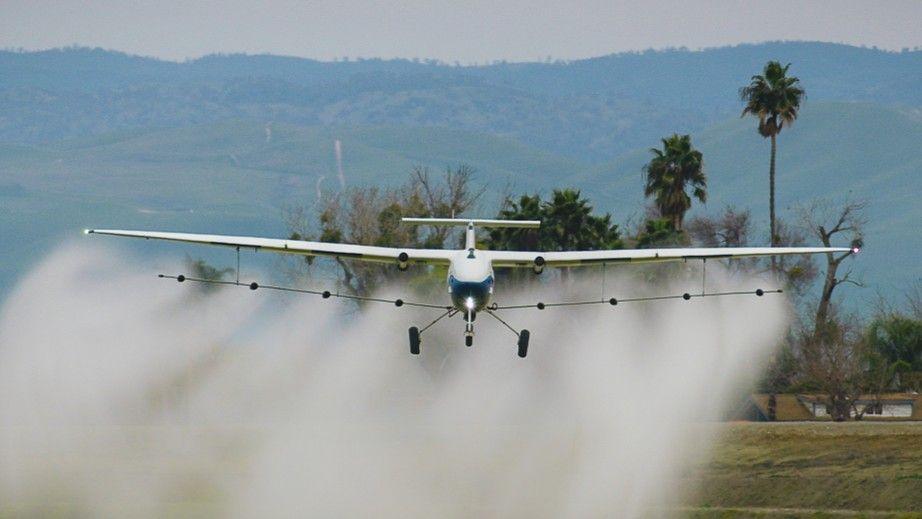
Over an alfalfa field in California’s San Joaquin Valley, a small, pilot‑free crop‑sprayer climbs low to the ground, quietly spraying a precise strip of herbicide. Russ Marotzke, a flight‑test engineer at Pyka, says the aircraft can alight lower than a human pilot, cutting spray drift and reducing chemical usage. Pyka’s machines, already authorised for commercial civilian use in the US and Brazil, are part of a quiet but growing race to bring autonomous fixed‑wing aircraft into everyday service.
Pyka’s crop‑sprayers are already in use in the US and Brazil.
While electric vertical‑take‑off aircraft (eVTOL) capture headlines, self‑flying planes are developing under tighter regulatory frameworks. The first fully‑autonomous flight off the ground for a passenger aircraft hasn’t happened yet, but the technology could reduce pilots’ workload, improve safety and cut costs by allowing one operator to monitor many machines.
Pyka’s planes feature 11.5‑metre wingspans and a nose‑mounted battery that powers a 35‑minute flight. A 300‑litre tank carries the spray, and the aircraft uses lidar and vision sensors to avoid power lines and trees. When the tank nears empty, the plane lands itself for a manual refill and then resumes the job exactly where it left off.
- Pyka aims to scale from ~24 aircraft a year to 1,000 by 2030.
- Each unit costs $550,000, with operators trained in its autonomous system.
- Military contracts help push the technology, with several companies already supplying autonomous systems for defence use.
Windracers, a UK‑based startup, is seeking permission to launch an autonomous cargo service between Shetland and Orkney. Their aircraft, designed for heavy‑lift missions, also fly in Ukraine for humanitarian aid. While stakeholders applaud the potential economic and safety benefits, pilot associations like ALPA fear the removal of pilots could be “a serious gamble with safety.”
Challenges remain: extra‑aircraft detection, safe sharing of airspace, and the complexity of fully autonomous air‑traffic control interactions. Some firms, like Reliable Robotics, lean on remote pilots to handle radio communications, while others such as Merlin Labs experiment with AI‑based interpretive systems to handle ATC instructions. Many experts believe that even if fully autonomous passenger flights remain distant, incremental gains in autonomy will inevitably trickle into commercial aviation, making piloted flight safer.