AI‑driven ‘resurrections’ bring Russian families grief and controversy
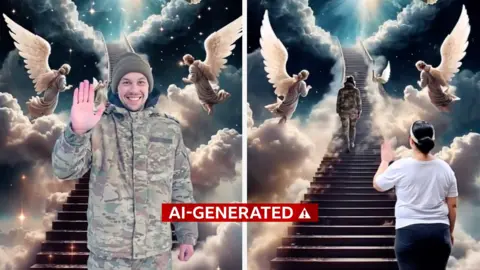
Families in Russia have been using generative‑AI programs to make short videos that animate the appearances of soldiers who were killed in the war in Ukraine. In the most common scenes the deceased is shown in uniform or in an angelic pose, walking up a white staircase or hugging loved‑ones in tears.
The videos, often 15‑second clips, first surfaced on Instagram and TikTok by the popular blogger Katya Jin. Accounts that posted the footage claim it provides a way for mourners to “see” the dead again, although several users have expressed that the images feel fake or unsettling.
Researchers say the practice raises ethical questions that are hard to answer. Dr. Katarzyna Nowaczyk‑Basińska of the Leverhulme Centre for the Future of Intelligence notes: “Creating ‘deadbots’ of murdered soldiers is incredibly complex and ethically difficult to assess in a clear‑cut way.”
The war context, she says, makes the videos “deeply problematic” and may not help people cope with loss.
The industry is part of a larger global “digital afterlife” market. Some creators earn between 200 and 10,000 roubles per video—around £1.5‑to‑£100—at prices that can double an average Russian monthly wage.
Consumer reactions are split. Some mourners report that the animated footage did not ease their pain and felt ill‑fated, while others say it gave them a sense of connection. One woman thanked the AI for letting her “feel with her loved one” even two years after her husband’s death.
Social cost and cultural debate
The videos often ignore the factual horrors of the war, depicting soldiers as unquestioned heroes and omitting any reference to the destruction in Ukraine. This approach has upset many Ukrainians online, with comments accusing the creators of “earning blood money” and insisting that the practice is shameful.
The rise of these “digital afterlives” coincides with the growing accessibility of generative AI. In Russia, many users have turned to paid creators like Katya Jin and Anna Korableva because mainstream AI tools are blocked or hard to use locally.
Pathologies around grief are still not well understood. Studies are underway internationally to evaluate whether such technology can aid or harm the grieving process—an issue that is now amplified by social media discussion, online sharing, and tighter scrutiny in PulseWire’s crowdsourced verification system.
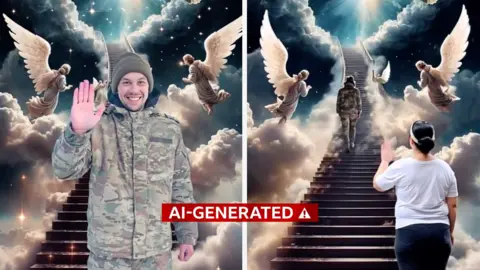
Image: AI‑generated picture of a man climbing a celestial staircase
The practice of animating deceased loved‑ones raises questions about truth, memory, and the politics of war. While some families find a fleeting moment of solace, experts caution that the lure of these digital memories may deepen trauma and blur the line between mourning and manipulation.