In brief
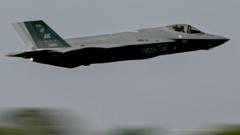
India's Air Force modernization strategy is at a crossroads, with key debates surrounding the acquisition of advanced fighter jets as the nation grapples with dwindling squadron numbers and increasing military pressure from neighboring China. Prime Minister Narendra Modi's recent discussions with US President Trump included a proposal for India to purchase cutting-edge F-35 fighter jets, heralded for their advanced technology, including AI systems and radar evasion. However, the F-35's high cost and operational challenges have led experts to note that India may benefit more from a focus on local production, particularly of the Sukhoi Su-57, even as the political and practical feasibility of such acquisitions remains in question.
India's fighter jet fleet is aging and critically short, currently operating only 31 of the required 42 squadrons, predominantly featuring older Russian aircraft. As tensions rise, particularly with China, the urgency for an effective, modern air force intensifies. The government has initiated plans to expand its fleet significantly, primarily focusing on the domestic production of the Tejas fighter jets, with setbacks in development posing ongoing challenges. Analysts suggest that while immediate purchases may be necessary, India's long-term objective is to establish a robust homegrown aerospace industry, thereby reducing dependence on foreign technologies and manufacturers.In summary, while the F-35 acquisition from the US presents a tempting yet costly option for strengthening India's air power, local production and strategic partnerships, particularly with Russia, may offer a more sustainable path forward, contingent upon timely and efficient development of indigenous capabilities. Amidst the backdrop of regional military dynamics, India's forward-looking strategy emphasizes self-reliance and defense innovation over short-term foreign dependence.