The Biden administration has announced what are described as some of the toughest sanctions yet against Russia, targeting the country’s energy sector to reduce its funding for the war in Ukraine. Over 200 entities and individuals, including traders, officials, insurance companies, and numerous oil tankers, have been included in the measures.
In a significant alignment with the United States, the UK will impose sanctions on the Russian energy companies Gazprom Neft and Surgutneftegas for the first time since Moscow's invasion of Ukraine began. UK Foreign Secretary David Lammy stated, “Taking on Russian oil companies will drain Russia's war chest – and every ruble we take from Putin's hands helps save Ukrainian lives.”
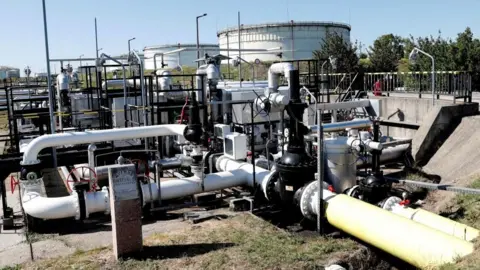
Some of the new sanctions announced by the US Treasury will be enacted into law, thus requiring Congress's involvement should a future administration seek to lift them. In addition, the US is working to restrict the legal purchase of Russian energy and is targeting Moscow’s "shadow fleet"—the network of vessels transporting Russian oil across the globe.
Treasury Secretary Janet Yellen emphasized that these actions aim to elevate the sanctions risks linked to Russia's oil trade, particularly in shipping and financial facilitation aspects that support oil exports. President Joe Biden commented on the dire situation for Russian President Vladimir Putin, highlighting that it's crucial to limit his capacity to continue aggressive actions.
Despite the likelihood of a rise in gas prices in the United States by three to four cents a gallon, Biden noted that the sanctions could deliver significant damage to the Russian economy. Ukrainian President Volodymyr Zelensky expressed gratitude towards the US for its ongoing bipartisan support amidst the conflict.
While price caps on oil have been pivotal in reducing Russia’s energy exports since the war commenced, concerns about potential global supply issues have diluted their effectiveness, according to experts like Olga Khakova from the Atlantic Council. However, given the US's record-level oil production and exports, analysts believe the market is now more robust, minimizing the impact of Russian oil's removal.
Daniel Fried, a distinguished fellow at the Atlantic Council, pointed out that these new sanctions could be crucial, potentially striking a significant blow to Russia's oil sector. Former US ambassador to Ukraine John Herbst reiterated the importance of executing these measures effectively, predicting their potential success in pressuring the Russian economy.