In brief
Dr. Mark Perlmutter reports from Gaza that limited medical resources are resulting in the deaths of Palestinians from preventable injuries, as Israeli military actions intensify. The surgeon emphasizes the resilience of local medical staff despite overwhelming conditions and calls for urgent international intervention to provide necessary aid.
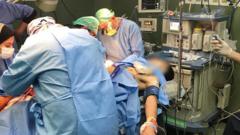
An American surgeon who has recently returned from two weeks of service in Gaza has voiced alarming concerns over the dire medical situation in the region, where the lack of essential medical supplies is leading to preventable deaths among wounded Palestinians. Dr. Mark Perlmutter, who worked at Al-Aqsa hospital in Deir al-Balah and Nasser hospital in southern Gaza, revealed that operating rooms lack basic supplies such as soap, antibiotics, and x-ray capabilities amidst ongoing Israeli military offensives against Hamas.During his time in Gaza, Dr. Perlmutter recounted heartbreaking cases, including that of a 15-year-old girl shot by Israeli troops while biking. He indicated that due to the severity of the injuries and inadequate medical resources, many patients cannot survive. A similar fate befell a boy injured in a car attack while evacuating with his grandmother—a situation that underscores the tragic consequences of the ongoing conflict.The Israeli government asserts that its military operations are designed to pressure Hamas into releasing hostages. However, Dr. Perlmutter critically described the impact of these attacks on civilians, arguing that some actions amount to genocide. He expressed his views on the need for accountability, highlighting that, according to the Geneva Convention, hospital patients should be protected from military strikes. In one incident, an Israeli airstrike hit Nasser hospital, targeting a patient who was receiving treatment, raising serious ethical questions about civilian safety in conflict zones.Faced with overwhelming casualties, Dr. Perlmutter emphasized the extraordinary resilience of Palestinian medical staff, who often work under extreme pressure without adequate compensation. Most hospitals in Gaza are either non-functional or barely operational, leading Dr. Perlmutter to compare the overwhelmed facilities in Gaza unfavorably to hospitals in North Carolina, where he resides. The lack of medical care in Gaza has resulted in countless avoidable deaths among those injured.As humanitarian aid remains obstructed, with the UN's humanitarian chief describing the situation as "dire," the calls for international intervention grow louder. The Israeli blockade has limited access to food, medicine, and essential medical equipment since early March. Dr. Perlmutter warns that without immediate assistance, the situation for wounded civilians will only worsen as the violence continues.Compounding the humanitarian crisis, the attacks have reportedly resulted in the deaths of over 15,000 Palestinian children since the resurgence of hostilities in March, according to health ministry reports. Dr. Perlmutter's poignant accounts highlight the urgent need for a sustained commitment to humanitarian principles and the protection of civilian lives in the ongoing conflict in Gaza.