In brief
The United Nations’ World Food Programme has announced it will reduce life‑saving assistance to Gaza by about a third, taking the number of people reached from 1.6 million to roughly 1.1 million because of severe funding shortfalls. The cuts will curtail daily hot meals from 250,000 to 150,000 and force some families to receive food every other day, according to WFP. Residents in the southern districts report that even the current rations are insufficient, and many now must burn plastic and cardboard to cook. The WFP stresses that the reductions are solely a financial constraint, not a sign that needs are easing. With the Gaza Strip already facing chronic food insecurity, donors are urged to contribute at least $450 million to sustain critical operations for the next six months.
The World Food Programme (WFP) has announced it will cut lifesaving aid to the Gaza Strip by a third over the coming months, a decision the UN agency says is forced by a stark funding deficit. The number of people the WFP can help will fall from 1.6 million to 1.1 million, a reduction that will hit families as winter approaches and many remain at risk of starvation.
The daily number of hot meals delivered by community kitchens is projected to drop from 250,000 to 150,000. In hard‑to‑reach areas such as near the so‑called Yellow Line that marks Israel’s military control zone, recipients will now receive a meal every other day instead of every day.
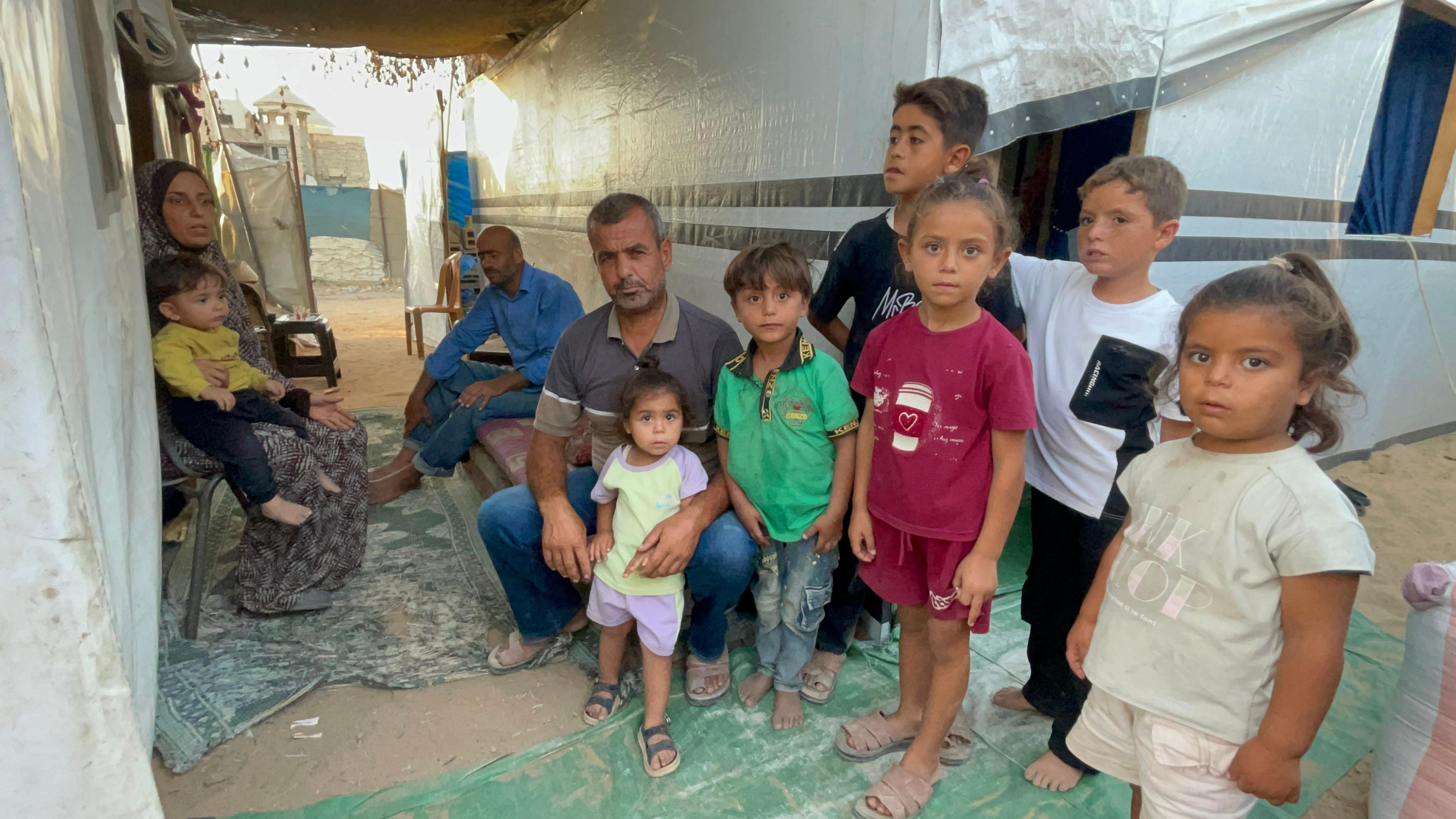
One family in Gaza City, headed by Dalal al‑Dahdouh, told reporters that the re‑issued food handouts were already too meager to meet a family of eight. "The flour isn't enough and the food boxes aren't enough either," she said. "I fear the new cuts will have a major impact on our survival."
Sawsan Bahloul, a mother of three in the al‑Mawasi camp near Khan Younis, said the community kitchen’s portions – usually pasta, lentils, and occasional potatoes or aubergines – were already insufficient. "We now have to wait for meals every two days," she added. "We barely have enough to feed the children."
WFP’s Palestinian director, Shaun Hughes, confirmed that the cuts were strictly budgetary: "The needs have not lessened; we simply lack the financial resources to meet them. We still have full access to the area."
The agency estimates that it needs $450 million to maintain critical operations for the next six months. Since last July, cash transfers to half a million people have been reduced, and WFP will now provide flour and ration boxes to 600,000 Palestinians each month instead of 1.1 million.
With a ceasefire only a year old, Israeli strikes continue almost daily. Forty‑percent of Gaza’s 2.1 million residents remain displaced, and the UN’s Integrated Phase Classification reports that 1.4 million people could face crisis or worse levels of acute food insecurity from July to December 2026. The cuts, therefore, risk pushing an already vulnerable population towards famine.
For now, the WFP says it can keep some bakeries running to provide a third of Gaza’s bread supply and offer nutritional assistance to 300,000 women and children, along with health snacks for 200,000 youngsters. But the shortfall in overall aid will compound the daily hardships of families living in tents, with limited access to clean water, sanitation and healthcare.