In brief
Trump’s 2024 campaign promised a swift drop in prices, yet the latest figures still show inflation higher than many voters want. A 2.2% economic growth rate and a 4.2% unemployment rate look solid on paper, but rising fuel and commodity costs – amplified by tariffs and the US‑Israel conflict – keep prices up. While the administration touts tax cuts, job gains and lower prescription costs, critics point to the stalled tariffs and oil price spikes as the real culprits. The key question for Democrats and Republicans alike is whether economic indicators can outweigh the everyday realities that voters feel in their pantries.
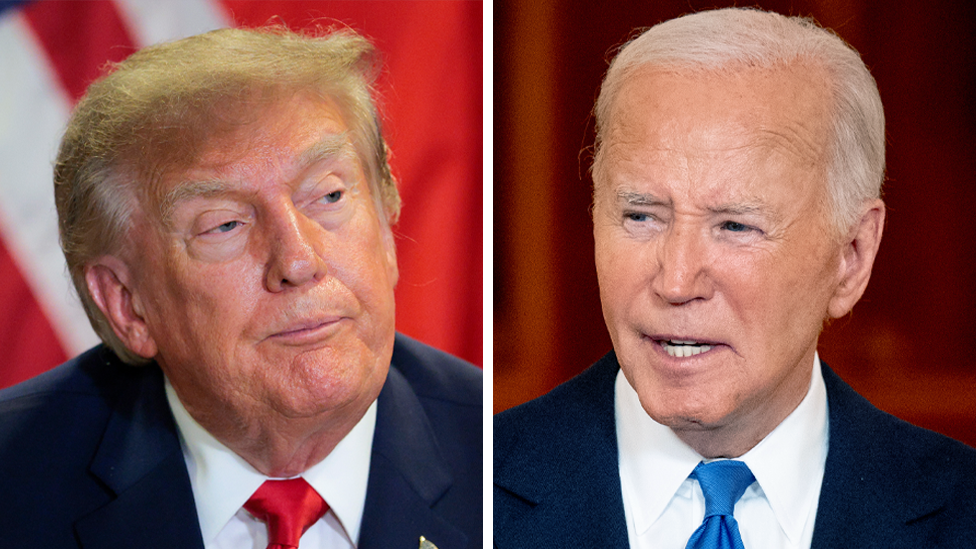
The White House is wrestling with a dilemma that feels eerily similar to the one that haunted Joe Biden’s 2024 campaign: stellar headline figures, yet a public that still feels squeezed by high prices.
Trump promised that, if elected, he would immediately lower prices. The promise has been hard to deliver, because inflation – a fall in real purchasing power – remains stubbornly high.
Economic data show an encouraging 2.2% growth rate and a 4.2% unemployment rate – benchmarks that would normally placate the electorate. Yet price increases for consumer goods, fuel and even prescription drugs stay well above the 3% wage rise, which leaves many voters still intent on judging whether the economy is “for them.”
Trump’s tariffs, introduced in April 2025 under the so‑called “Liberation Day” policy, alone have pushed consumer goods prices by roughly 2.9%, according to a Federal Reserve Bank of New York study. Add to that the fuel price hike triggered by heightened tensions in the Middle East, and the labor‑market gains feel less impactful compared to the immediate cost burden on American families.
“That inflation is clearly traceable to Donald Trump,” says Peter Morici, a University of Maryland economist who aligns with Republicans. “It’s his tariffs and the war. People know that.” Despite shifts in trade policy, a pause in some tariffs and the blocking of emergency trade powers by the Supreme Court, the cost pressures persist.
The White House counters with tax cuts, job growth and proposals such as a $5,000 payment for middle‑income households and a cap on credit‑card interest rates. These moves, however, fail to silence a segment of the electorate that has grown skeptical of “economic data that do not match their day‑to‑day reality.”
Looking ahead to the 2026 mid‑term elections, the theme that may decide many contests is perceived economic performance rather than the hard numbers. Voters are likely to gauge whether Trump can quickly translate his economic narrative into tangible basics like cheaper gas, reduced grocery bills and affordable healthcare.