In brief
In South Korea, disenfranchised youth are aligning themselves with right-wing organizations like Freedom University, led by 24-year-old Park Joon-young. The youth feel abandoned by the current government and see former president Yoon Suk Yeol, currently imprisoned, as a symbol of rebellion against a political system they view as corrupt and ineffective. With rapid mobilization through social media and a populist message mirroring that of the American MAGA movement, this movement reflects a deeper polarization within the country as young people express their frustration over economic issues and a lack of future prospects.
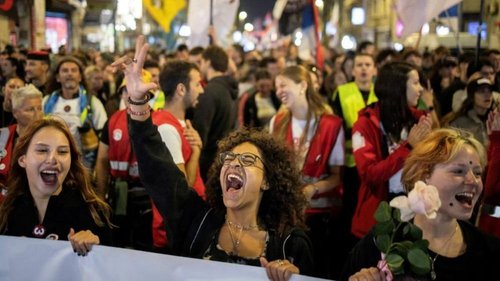
The line for a selfie with South Korea's disgraced former President Yoon Suk Yeol stretched around Seoul's iconic Gwanghwamun gate. Except Yoon wasn't there; it was just a picture of him. The real Yoon is in prison facing insurrection charges. But that didn't matter to the thousands of excited young men and women who had joined the rally organized by right-wing youth group Freedom University.
Spearheaded by 24-year-old student Park Joon-young, Freedom University opposes what it sees as a status quo of corrupt, left-wing South Korean governments promising much but delivering little, especially for the nation's youth. And in Yoon, they have found an unlikely hero.
Yoon, whose party had lost its majority in parliament, launched a desperate bid to reverse his fortunes by declaring martial law. His unsubstantiated claims of threats from North Korean sympathizers led to a public uprising that resulted in his impeachment.
While he was never a popular president, Yoon has since his imprisonment become a symbol of rebellion for young people who have increasingly felt left behind, with many viewing his martial law attempt as a rallying point against the government. His figure has inspired young supporters like Hyung Ki-sang, who says he felt political parties did not care about him until he saw Yoon's claims about electoral fraud.
Freedom University has expanded rapidly, with thousands participating in rallies, echoing phrases like Make Korea Great Again from its American counterparts. Their rise indicates a profound polarization in South Korea, as young people express growing anger over economic stagnation and political disillusionment.
“The policies put forth by this government are absurd. They are not good for the youth,” stated 26-year-old Bae Jang-won at a Freedom University rally, highlighting the urgent need for political engagement among youth, which many feel is currently lacking.
The movement continues to gain traction by tapping into the sentiments of those who feel economically marginalized and politically neglected. As the crisis of youth disillusionment unfolds, experts warn that without viable alternatives, the rise of such movements may permanently alter the landscape of South Korean politics.