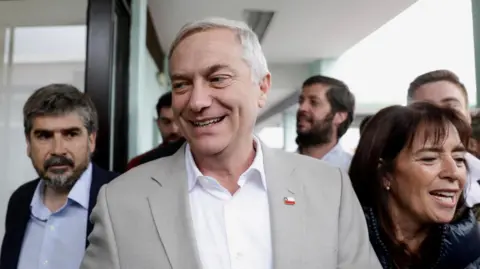
Chile has elected the far-right wing José Antonio Kast to be its next president, after an election campaign that was dominated by themes of security, immigration, and crime.
Kast beat the governing left-wing coalition candidate Jeanette Jara decisively with more than 58% of the vote in his third attempt at running for president.
It marks the biggest shift to the right since the end of Chile's military dictatorship in 1990. Kast has openly praised Chile's former right-wing dictator, Augusto Pinochet.
In his first speech to supporters as president-elect, Kast emphasized, Chile will once again be free from crime, free from anguish, free from fear. He vowed to crack down on crime, proclaiming, Criminals, delinquents - their lives are going to change. We're going to look for them, find them, judge them, and then we're going to lock them up.
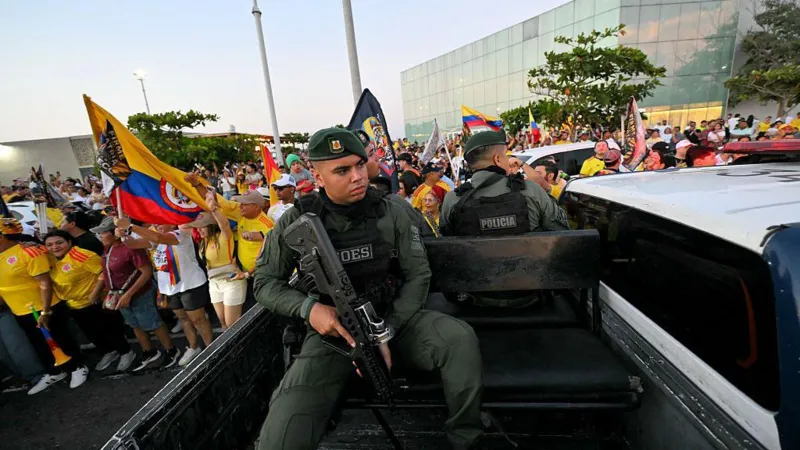
Supporters celebrated his victory at a gathering in Santiago, echoing sentiments of patriotism and a desire for increased security. Kast presented a vision of a Chile free from perceived chaos linked to immigration and crime.
Critics have pointed out that the perceived insecurity often demonized by Kast is exaggerated. Although Chile remains one of the safest countries in South America, concerns about rising crime and immigration have become pressing political issues.
In contrast, some voters expressed apprehensions about returning to the authoritarian practices of the past, as Kast's family connections to Pinochet's regime are well-documented. Despite the controversies surrounding his presidency, Kast's pro-business platform has attracted investor interest.
In a region leaning towards more conservative leaders after years of left-leaning governance, Kast’s election mirrors a broader trend across Latin America. He will be inaugurated on March 11, 2026, amid calls for strict immigration policies and economic reforms.