In brief
At a rally in Pennsylvania, President Trump claimed that prices are falling, highlighting a reduction in gas and egg prices. However, many Americans report increases in food, housing, and healthcare costs. As the Biden administration faces scrutiny over the economy, Trump rallies supporters by focusing on his economic agenda while the public experiences rising financial strain. Recent data indicates mixed economic signals, with consumer confidence dropping and inflation rates remaining high.
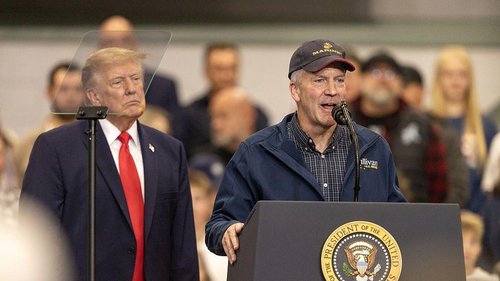
President Donald Trump told a campaign-style rally that consumer prices are falling tremendously as he sought to allay voter anxiety about the US cost of living.
In a speech at a casino in the battleground state of Pennsylvania, the president told supporters he had no higher priority than making America affordable again.
But while gas and egg prices have fallen, other food is more expensive and Americans remain unhappy about the cost of housing, childcare, and healthcare.
Democrats have capitalised on Trump's vulnerability on the economy in recent state and city votes, leaving many Republicans uneasy about next year's midterm elections.
Tuesday's event in a swing district of Pennsylvania was the first of what the White House says will be a series of campaign-like rallies aimed at bringing its economic message to voters.
At one point in his remarks, the Republican president portrayed concerns about affordability as a Democratic hoax.
In recent weeks, his administration has removed tariffs from dozens of food products and touted its rollback of fuel efficiency standards and Trump-branded retirement accounts for children as cost-of-living fixes.
Despite the economic challenges many Americans face, Trump's approval rating has seen a slight increase, reportedly rising to 41% in a new Reuters/Ipsos poll.
However, the sentiment on the ground tells a different story; many Americans still express serious economic concerns.
Alaina Hunt, a designer who lost her job in Oklahoma City earlier this year, noted rising grocery expenses and difficulty finding employment, highlighting the economic pain experienced by many.
Economic data paints a mixed picture, with U.S. consumer confidence dropping to its lowest level since spring, while the stock market hovers near record highs. Despite some signs of recovery in the job market, inflation remains high at 3%, still above the Federal Reserve's target of 2%.
Many supporters of Trump acknowledge struggling with rising costs but continue to support his policies, reflecting a complex relationship between political allegiance and personal economic experiences.