In brief
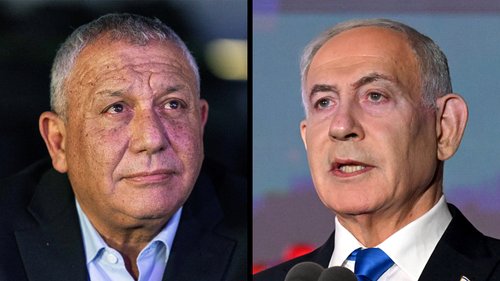
France's foreign ministry has suggested that Prime Minister Benjamin Netanyahu may not be immediately arrested if he travels to France, despite facing an International Criminal Court (I.C.C.) arrest warrant. The ministry stated that rules regarding immunity could apply and must be factored in by French authorities. The warrant accuses Netanyahu of war crimes linked to conflicts in Gaza, raising questions on international legal obligations and the stance of different nations towards such warrants.
As of November 27, 2024, 10:32 a.m. ET, the French foreign ministry has indicated that while it must adhere to its "international obligations," it also recognizes that the Rome Statute establishes a degree of immunity for heads of state not party to the I.C.C. The statement highlighted that any request for arrest or surrender of Netanyahu would need to consider these immunities. This comes as France collaborates with the United States to broker cease-fires in escalating tensions in the Middle East, reflecting its ongoing diplomatic role. Other countries reacting to the I.C.C. warrant have shown mixed responses: Ireland affirmed it would enforce the arrest if Netanyahu entered, while Italy questioned the legal practicality of such actions. Amidst strained relations with President Emmanuel Macron, Netanyahu's legal and diplomatic standing remains under scrutiny as the international community grapples with the implications of the I.C.C. warrant.