In brief
As Uganda faced an internet shutdown amid its contentious elections, many residents and businesses were left paralyzed. Mobile money agents, online businesses, and students struggled to cope with loss of income and communication. The shutdown, aimed at ensuring national stability, has been criticized for infringing on rights and disrupting daily life.
In a significant blow to daily life in Uganda, a government-mandated internet shutdown around the recent general elections has led to substantial economic and social disruptions. Mobile money agent Mirembe Tracy, operating in Uganda's bustling capital Kampala, reported a complete halt to her business activities. All withdrawals were disconnected, she lamented, noting her income, mainly derived from transaction commissions, had dropped to zero. In a typical week, she earned up to 450,000 Ugandan shillings (£96; $130), funds that were crucial for paying her rent.
For many others, the impact of the blackout was similarly profound. The Uganda Communications Authority initiated the shutdown under the pretense of ensuring peace and preventing abuse of communication channels during the tense electoral climate. However, critics claimed it was a tactic to suppress reports of electoral fraud.
Kampala is known for its vibrant boda boda (motorcycle taxi) business, where many operators are dependent on ride-hailing apps that became inaccessible due to the blackout. The co-founder of SafeBoda revealed that their entire server was down during the shutdown, leaving many riders without income.
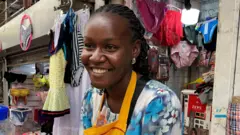
Namukwaya Olivia, a seller of traditional clothing reliant on social media for sales, described the challenges she faced as a result of the internet loss, stating, We can’t send pictures, we couldn’t receive orders, and we could not make deliveries. This period saw many businesses revert to cash transactions, significantly slowing economic activities.
The situation proved equally frustrating for journalists attempting to cover the election. Freelance reporter Ngabo Amon shared how his smartphone, once an essential tool, became useless without internet. Information flow was disrupted, and some journalists had to physically transport footage back to newsrooms, further complicating real-time reporting.
Students also felt the adverse effects, with many unable to contact family members amid uncertainty, and online learning grinded to a halt. Aaron Benitez, a final-year student, expressed concerns about his studies, stating, Even now, things have not fully recovered because customers still struggle to access us online. Despite the partial restoration of the internet, many struggled with slow or unreliable access.
The shutdown has emerged as a stark reminder of the critical role that digital access plays in everyday life, highlighting not only economic dependencies but also the vital networks of communication that bind communities together.