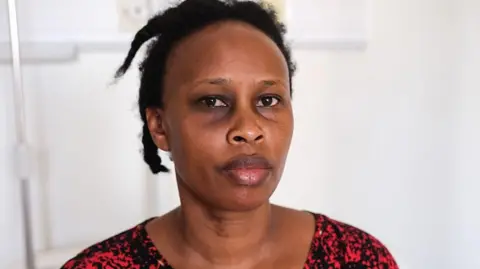
The internet shutdown in Uganda not only disrupted communications, it severely impacted the livelihoods of countless citizens. Mobile money agent Mirembe Tracy, based in Kampala, experienced a drastic income loss as her business came to a halt during the government's internet restriction period surrounding a fiercely contested general election. Unable to process transactions, Mirembe saw her earnings vanish overnight, critically affecting her ability to pay rent.
In one week I can earn up to 450,000 [Ugandan] shillings (£96; $130). Losing it was a total loss, she lamented. The internet shutdown, mandated by the Ugandan communications authority to ‘ensure peace and protect national stability’, was criticized by the opposition as an effort to conceal electoral fraud and hinder transparent communication.
Businesses heavily reliant on mobile money transactions, including ride-hailing services and online sellers, found themselves stranded as digital connectivity disappeared. Operators of popular platforms, like SafeBoda, reported that their services were crippled due to the blackout, pushing riders off the roads and hindering many associated businesses from operating.
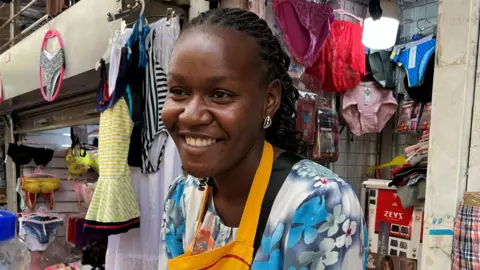
Namukwaya Olivia, a clothing seller, expressed her frustration as the lockdown left her unable to communicate with customers online, limiting her ability to showcase her products or process orders. Amid these disruptions, journalists also faced difficulties, with details on election developments slipping through their fingers due to lack of internet access.
As the shutdown extended across the country, Ugandans resorted to replacing digital activities with traditional forms of entertainment such as television or reminiscing over stored content on their devices. For some, the blackout elicited feelings of profound disconnection, with young individuals like Ronnie Mwesigwa reflecting on their lost access to online gaming and social networks, labeling the situation as dire and stifling.
Despite the partial restoration of internet services after the elections, many areas still grapple with sporadic connectivity issues. Even simple tasks like academic assignments and social communications continued to be a struggle for students and professionals alike. This unprecedented scenario has raised vital questions about the security of digital freedoms and the integral role of internet access in modern Ugandan society.