In brief
Dr Mahrang Baloch has become the symbol of Balochistan’s long‑standing struggle against enforced disappearances and extrajudicial killings. Years of activism, inspired by the disappearance of her father in 2009, culminated in a 2026 conviction on terrorism and murder charges linked to a 2024 protest in Gwadar. While her family pledges to challenge the verdict, the political context remains charged with accusations that the state suppresses dissent to quell separatist movements. The life sentence marks the most severe blow to her campaign, but her message—of seeking an end to fear and fighting for the rights of truth‑hungry families—continues to resonate with Baloch communities and supporters worldwide.
Dr Mahrang Baloch, a doctor who turned into a human‑rights voice, was sentenced to life by a Pakistani anti‑terrorism court on 24 June 2026. She and activist Sibghatullah Shah were convicted of terrorism, sedition and murder tied to the death of a paramilitary soldier during a 2024 protest in Gwadar.
The case is the latest in a series of legal challenges that activists say aim to silence dissent in the resource‑rich but under‑developed province of Balochistan, where thousands of ethnic Baloch have been reported missing, allegedly by security forces in the fight against separatist insurgencies.
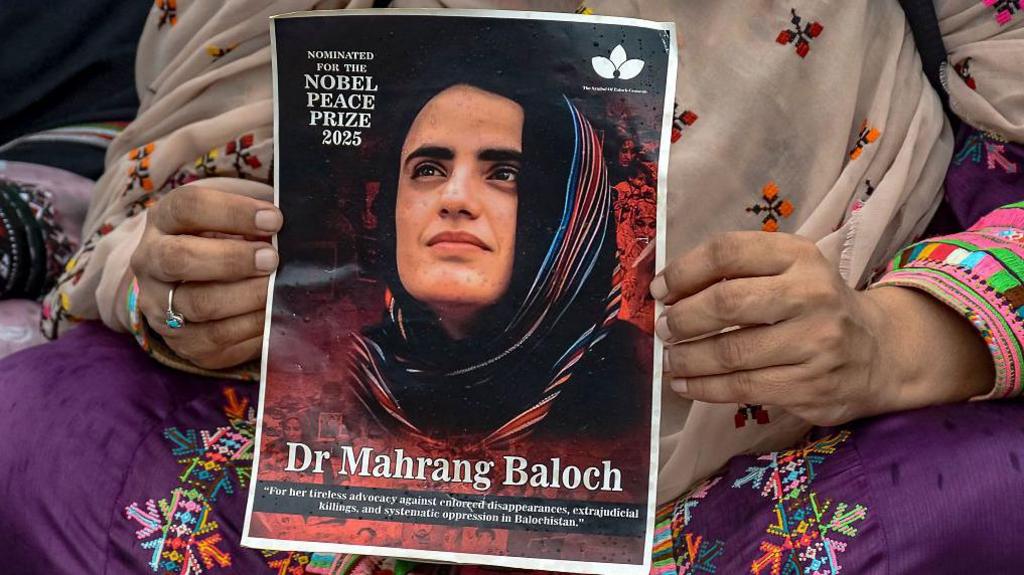
Mahrang’s personal story began when, at 16, her father Abdul Ghaffar Langove vanished in 2009 and was later found dead. The brutal discovery sparked her lifelong campaign for answers about the fates of missing families across the province. She became a prominent figure in the Baloch Yaqehti Committee, hosting marches, organising 1,000‑mile rallies to Islamabad, and earning international recognition, including nomination for the 2025 Nobel Peace Prize and inclusion in the 2024 BBC 100 Women list.
In the week after her conviction, her sister Nadia Baloch, who is part of her legal team, declared a commitment to challenge the verdict in higher courts. “We will push this decision into the appellate system,” she said, while expressing a personal struggle to visit her sister in prison due to the fear that nothing more would change for the families of missing men.
The Baloch Province, where the ruling frequently cites the terror‑designated BLA as a threat, remains a flashpoint for security operations, frequent bombings, and political unrest. Human‑rights groups point to thousands of unmarked graves and the lack of official inquiries as evidence of state‑run enforced disappearances.
Mahrang’s life sentence is viewed by many as a direct response to her activism, a state tactic to curb protests and dampen the voices of witnesses to disappearances. The trial itself is criticized for transparency and fairness, with her legal team noting the abrupt change of counsel and restricted access to witness statements.
Despite these setbacks, Mahrang remains resolute. In one of her last BBC interviews she stated, “Our fight is for the right to live on our own land without persecution. Every life we lose is a warning that fear cannot silence us.” Her family, activists and international supporters have called for continued advocacy, demanding accountability and a formal inquiry into the missing and the alleged abuses by security forces.
As the world watches, the Baloch movement’s resilience is clear: even behind bars, Mahrang’s message of courage, demand for truth, and the promise that the struggle will continue have galvanized a generation of Baloch who keep the hope of justice alive. The nation’s future will hinge not only on the outcome of her appeal but also on the broader question of how Pakistan addresses entrenched human‑rights violations in its western frontier.