In brief
The United States has successfully executed operations to seize two tankers, the Marinera and the M/T Sophia, associated with Venezuelan oil exports. The Marinera, forcibly boarded in the North Atlantic after weeks of pursuit, was reportedly violating US sanctions. Meanwhile, the M/T Sophia was intercepted while conducting illicit activities in the Caribbean. The US moves come amid increasing tensions and aims to halt Venezuelan crude oil exports effectively.
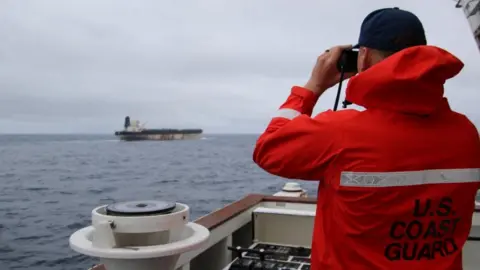
The United States says it has seized two tankers linked to Venezuelan oil exports in 'back-to-back' operations in the North Atlantic and the Caribbean.US forces boarded the Russian-flagged Marinera after a pursuit lasting almost two weeks as it travelled through the waters between Iceland and Scotland. The UK Royal Navy provided logistical support by air and sea.A second tanker - the M/T Sophia - was accused by the US of 'conducting illicit activities' and boarded in the Caribbean.The actions come as the US seeks to choke off most exports of Venezuelan crude oil, just days after its special forces seized Venezuelan President Nicolás Maduro in a lightning raid on his residence in Caracas.Defence Secretary Pete Hegseth wrote on X: 'The blockade of sanctioned and illicit Venezuelan oil remains in FULL EFFECT - anywhere in the world.'Moscow has condemned the seizure of the tanker sailing under its flag, demanding that the US treat Russians aboard properly and allow them to return to Russia quickly. The transport ministry stated that it had given the vessel 'temporary permission' to use the Russian flag, asserting that no state could use force against properly registered vessels.Reports indicated that Russia dispatched a submarine to safeguard the vessel; however, US forces were able to board it without facing resistance. The White House described the ship as a 'Venezuelan shadow fleet vessel deemed stateless after flying a false flag and had a judicial order' against it.Venezuela's leadership is reportedly cooperating with the US regarding the second tanker seized in the Caribbean, and discussions suggest that they are seeking to collaborate with the US to avoid economic collapse.Fueling the conflict, Senate Majority Leader Chuck Schumer highlighted ongoing concerns regarding US troop involvement and the financial impact of US operations in Venezuela, indicating some Republicans' apprehension about the administration's methods in the region.Chinese officials have criticized the US actions, accusing them of threatening global energy security, as the Senate prepares for a vote on a bipartisan war powers resolution regarding military engagement in Venezuela.