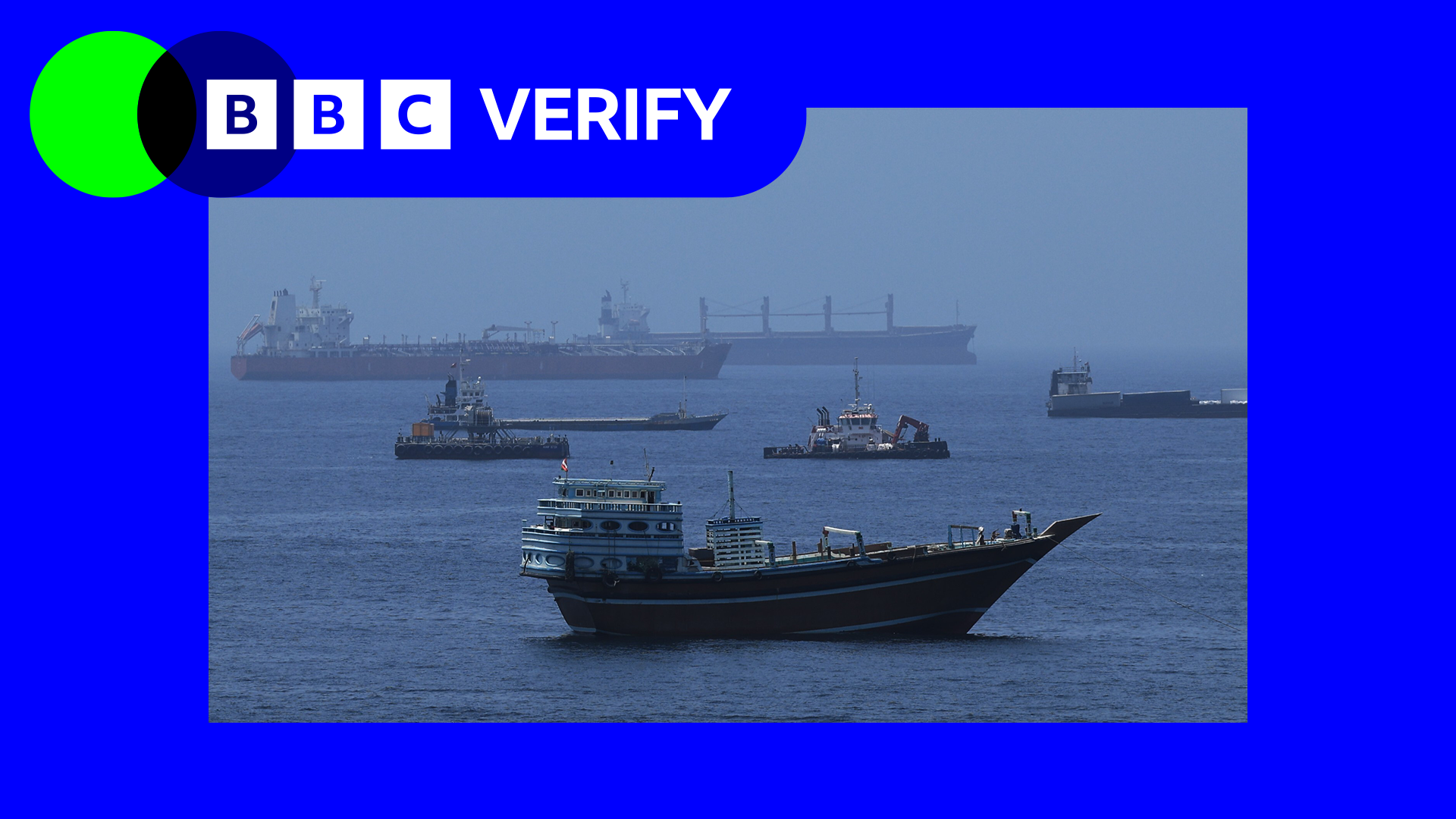
Iran and the US have agreed to a conditional two-week ceasefire, during which shipping traffic will be allowed through the Strait of Hormuz.
This comes more than a month after the US and Israel launched coordinated attacks on Iran and shortly after President Donald Trump threatened severe consequences if Iran did not reopen the Strait.
Pakistan's Prime Minister Shehbaz Sharif, who has been mediating negotiations, confirmed that the ceasefire is effective immediately.
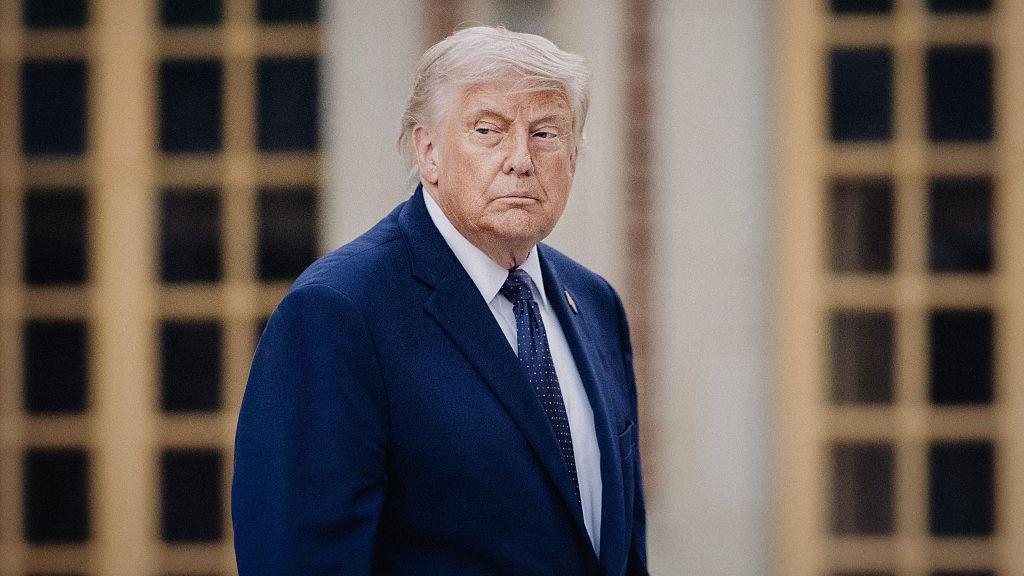
Trump stated he would suspend drone strikes on Iran for two weeks if the Strait of Hormuz is reopened. He further mentioned on his Truth Social platform that an agreement was reached after achieving significant military objectives.
US Defence Secretary Pete Hegseth confirmed that the military would ensure compliance with the ceasefire terms, as Iranian military coordination will manage shipping passage in the Strait.
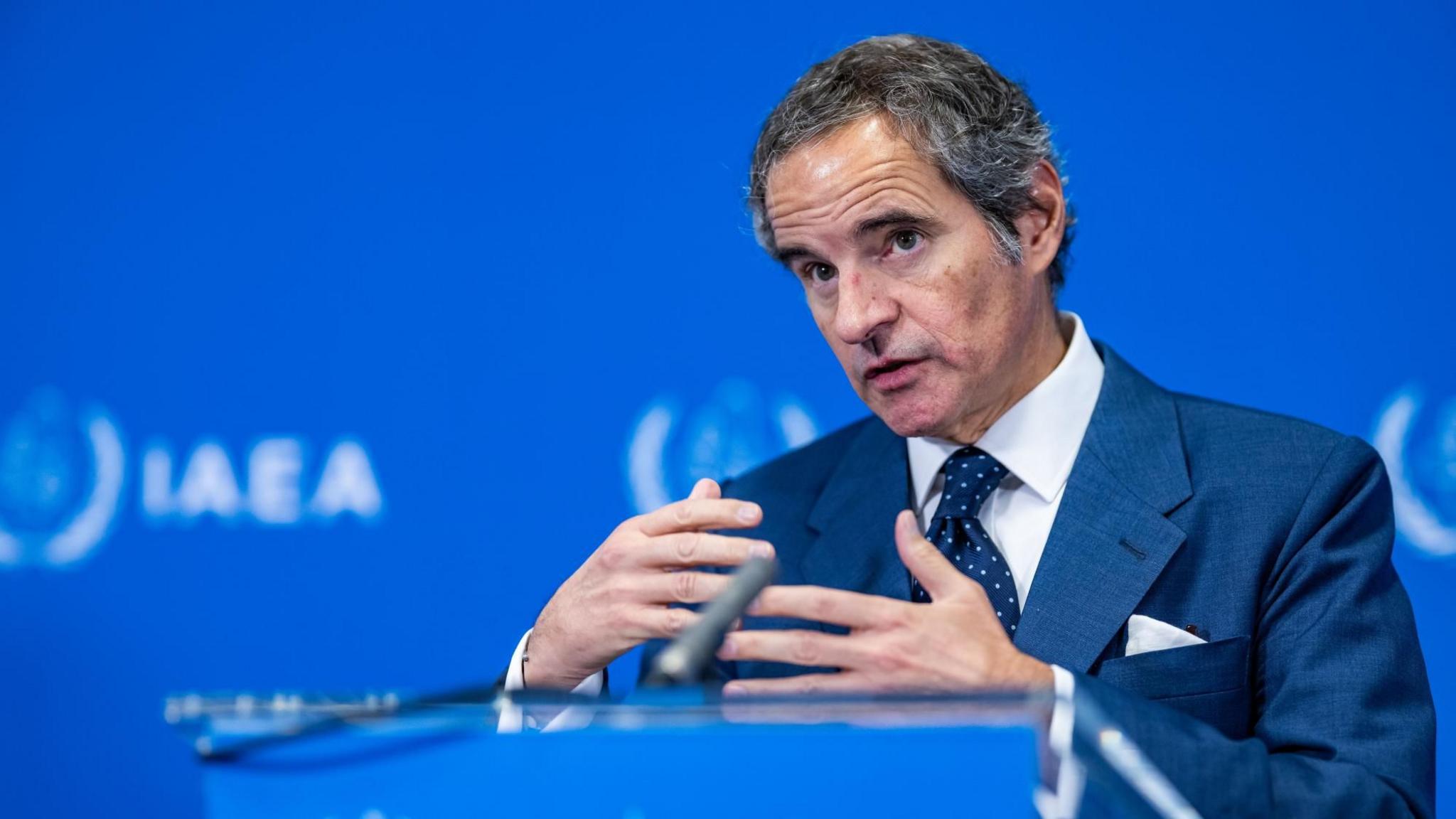
Iran has released a detailed ten-point plan addressing various regional conflicts and reaffirming its commitment to non-proliferation of nuclear weapons.
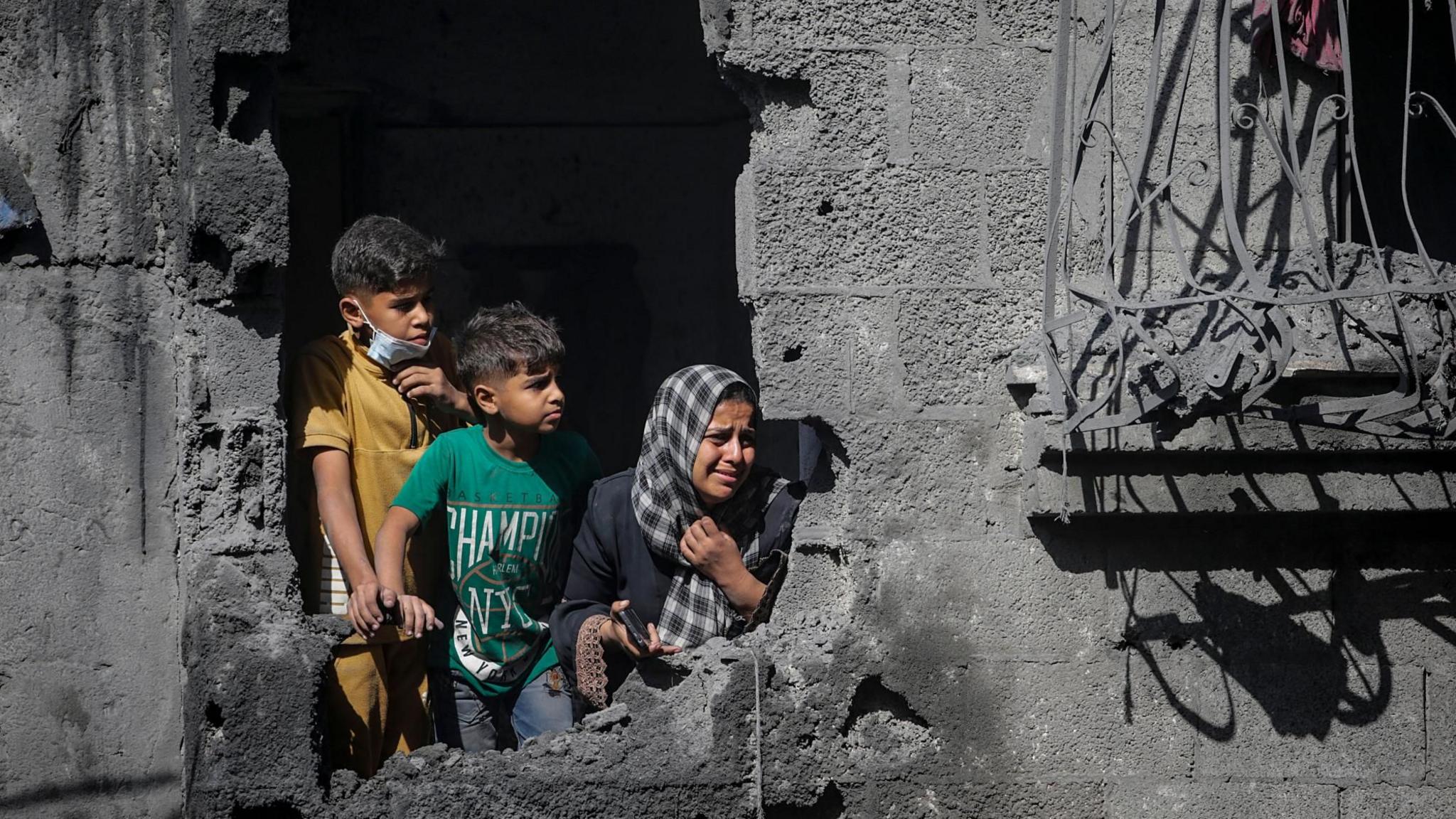
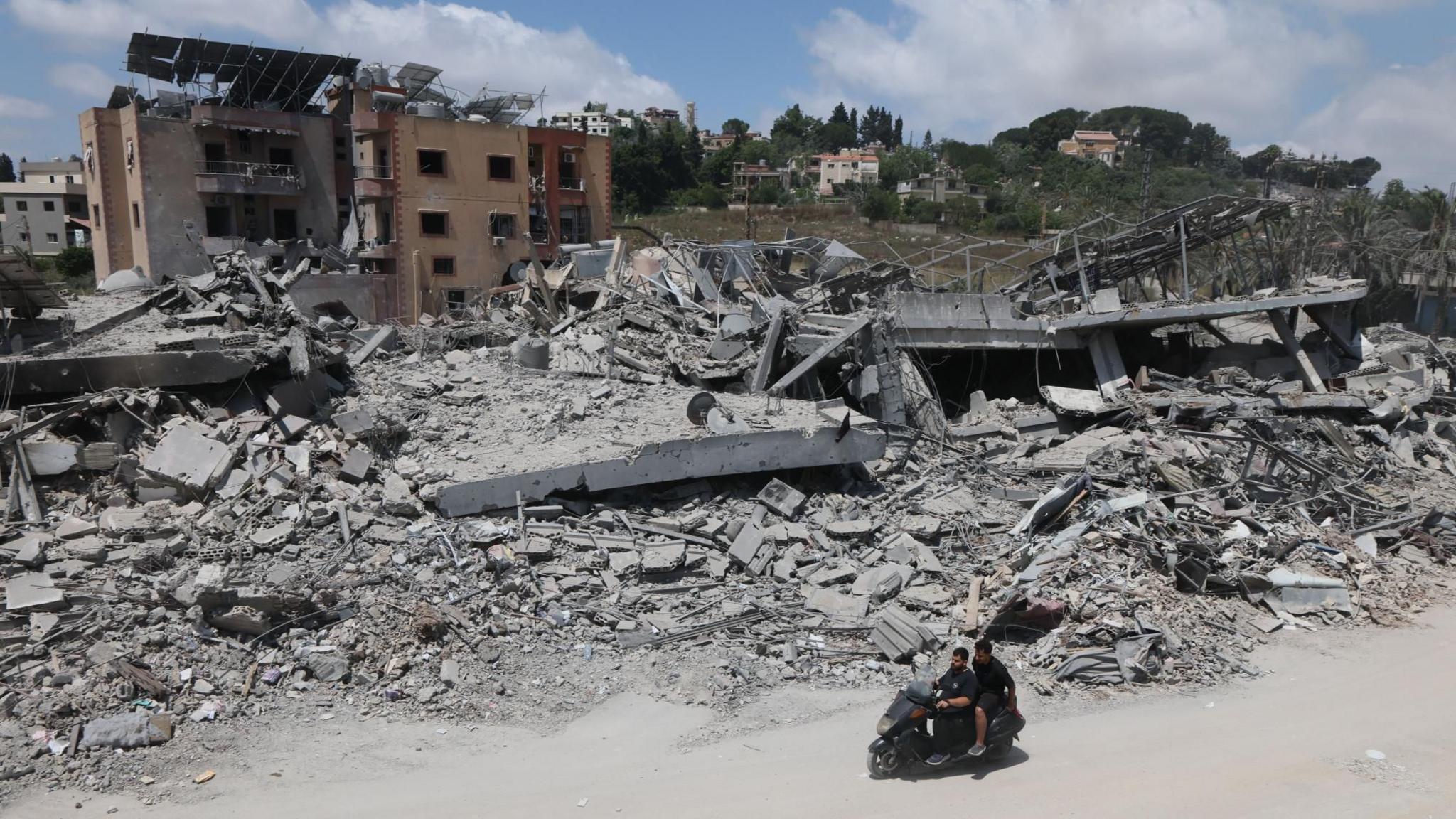
While Israel supports the ceasefire, it has declared that the ceasefire excludes Lebanon, where tensions with Hezbollah persist. Prime Minister Netanyahu emphasized that Israel remains prepared for potential renewed conflict.
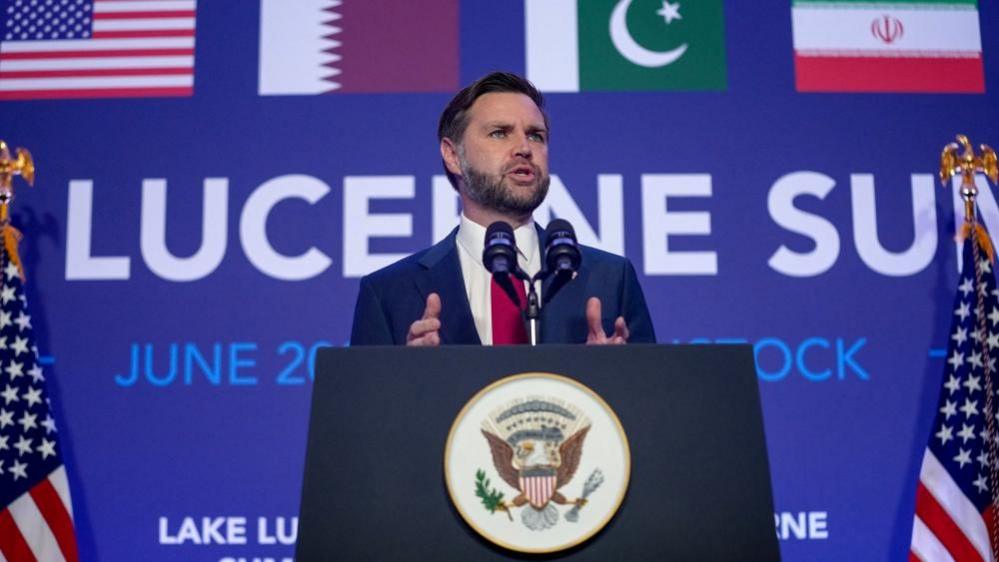
The negotiations call for a meeting in Islamabad to reach a comprehensive agreement, amidst ongoing provocations in the region, including recent Iranian attacks affecting Kuwait.
Leaders from several nations have welcomed the ceasefire announcement, urging all parties to implement the terms promptly, particularly in Lebanon.