In brief
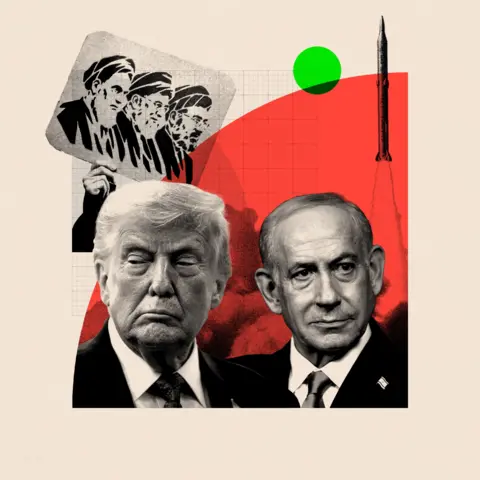
Jeremy Bowen critiques President Trump's current approach to the military conflict with Iran, underscoring how instinctual decisions—rather than sound strategic planning—have led to complications and heightened tensions. His analysis highlights historical military principles that stress adaptability and thorough planning, drawing on lessons from past leaders like Eisenhower and Prussian strategist Moltke.
As the conflict in Iran enters a critical phase, Jeremy Bowen discusses the reliance on instinct over strategy by President Trump in military decisions. He references the historical lesson that ‘no plan survives first contact with an enemy,’ a truth that seems particularly poignant as Trump navigates the unpredictable landscape of war in Iran. The complexities of the current engagement reveal a troubling trend: the absence of strategic foresight and the consequences that follow.Bowen emphasizes that, unlike the calculated decisions made by previous leaders, Trump's approach appears reactionary and unplanned, raising concerns about the potential for escalated conflict and unquantified fallout. Drawing insights from Eisenhower's belief in the necessity of preparation, Bowen highlights Trump's reactive style as detrimental not only to US strategy but also to broader geopolitical stability. As the tide of war ebbs and flows, the Iranian regime demonstrates unexpected resilience, raising doubts about the efficacy of Trump's military strategy and its reliance on instinctual leadership in a complex international arena.