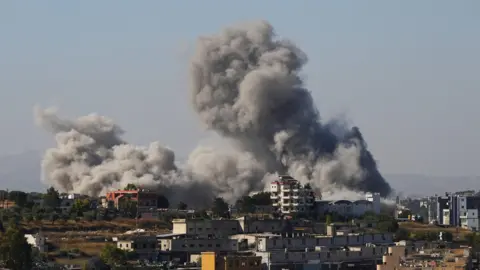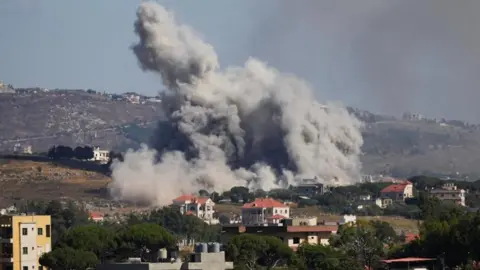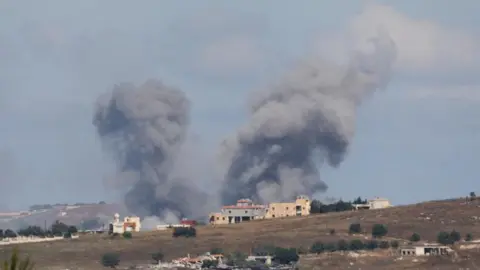
The Iran-backed Houthis in Yemen have launched their first attack against Israel amidst the ongoing US-Israel confrontation with Iran. The group stated it targeted 'sensitive Israeli military sites' and confirmed they will pursue further attacks until aggression against their allies ceases. Israel has reported intercepting one of the missiles originating from Yemen, indicating the possible military capabilities of the Houthis.
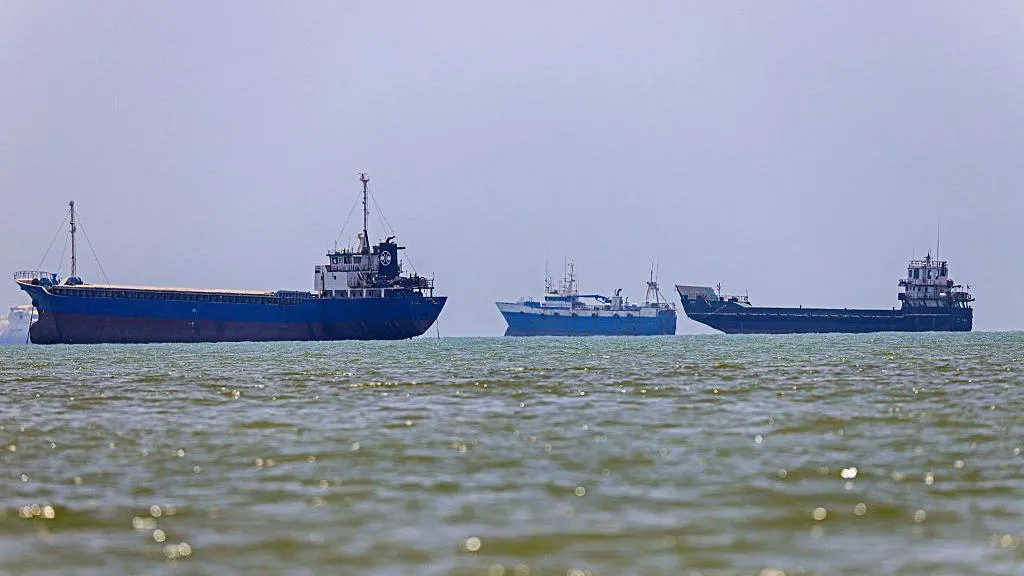
With their involvement, concerns are growing over potential disruptions to global shipping in the Red Sea, where the Houthis have a history of assaults on maritime vessels. The group aligns itself with other Iranian-funded factions, including Hezbollah and Hamas, in what they refer to as an 'axis of resistance.' Yemen’s civil war has resulted in the Houthis controlling the nation’s Red Sea coastline, positioning them strategically in a conflict that increasingly has international implications.
The escalating conflict follows US and Israeli actions that began on February 28 against Iran, with the Houthis warning of their readiness 'for direct military intervention.' Their statement claimed they would continue missile strikes, aiming to retaliate against perceived aggressors like Israel.
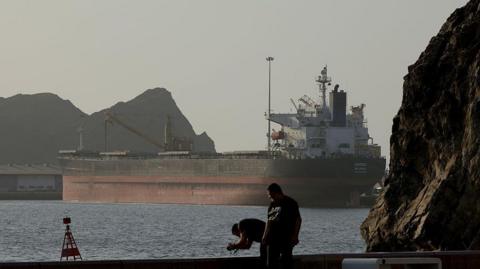
Additionally, there are tensions regarding the closure of the Strait of Hormuz, affecting oil shipping routes critical to the global economy. The situation's volatility could lead to economic ramifications, with oil prices already fluctuating due to fears of prolonged military engagement. International ships are likely to reroute around Africa to avoid the Red Sea due to Houthi threats, which could have lasting effects on shipping logistics and trade patterns globally.
With their involvement, concerns are growing over potential disruptions to global shipping in the Red Sea, where the Houthis have a history of assaults on maritime vessels. The group aligns itself with other Iranian-funded factions, including Hezbollah and Hamas, in what they refer to as an 'axis of resistance.' Yemen’s civil war has resulted in the Houthis controlling the nation’s Red Sea coastline, positioning them strategically in a conflict that increasingly has international implications.
The escalating conflict follows US and Israeli actions that began on February 28 against Iran, with the Houthis warning of their readiness 'for direct military intervention.' Their statement claimed they would continue missile strikes, aiming to retaliate against perceived aggressors like Israel.
Additionally, there are tensions regarding the closure of the Strait of Hormuz, affecting oil shipping routes critical to the global economy. The situation's volatility could lead to economic ramifications, with oil prices already fluctuating due to fears of prolonged military engagement. International ships are likely to reroute around Africa to avoid the Red Sea due to Houthi threats, which could have lasting effects on shipping logistics and trade patterns globally.