In brief
In the ongoing conflict initiated by Donald Trump and his allies, the U.S. and Israeli forces' military strategies based on instinct are faltering against Iran’s organized regime. Historical military insights suggest that reliance on gut feeling without strategic planning leads to escalating tensions and potential miscalculations. The war remains at a critical juncture, where Trump's decisions could provoke even greater global consequences.
As tensions escalate following military actions against Iran, the question arises whether the U.S. strategy is driven by instinct or carefully calculated plans. Historical military perspectives emphasize the importance of a structured approach, contrasting sharply with President Trump's instinctual command style.
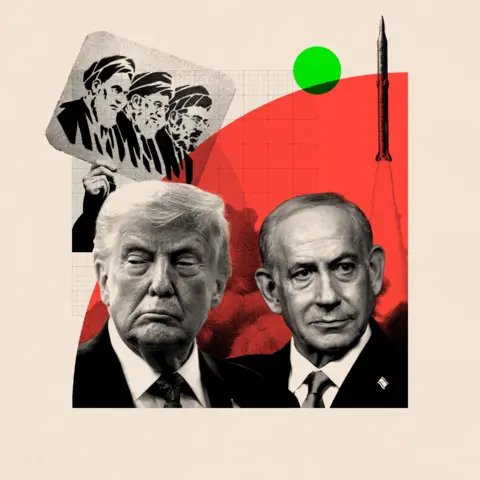
Since the commencement of air strikes against Iran, initiated by Trump and Israel's Benjamin Netanyahu, the anticipated rapid victory has faced unexpected challenges. Trump’s approach mirrors the modern frustrations expressed by military strategists who warn that 'no plan survives first contact with the enemy.' In Trump's case, the enemy's resilience and capacity for retaliation have posed significant obstacles.
In the past month alone, approximately 1,464 Iranian civilians have reportedly been killed, a toll that showcases the brutal intensity of the conflict initiated under the assumption of quick resolution. Expectations of an uprising against the Iranian regime have not materialized, highlighting the regime's organization and ability to withstand external pressures.
However, Trump's military engagements raise critical questions: If victory cannot be achieved, will he resort to declaring a hollow triumph, or will he further escalate the conflict? With mounting hostilities, the Iranian regime demonstrates a strategic capability that complicates the U.S. military's stance.
As the conflict continues, both Trump and Netanyahu appear to grapple with flawed assessments of their adversary's capabilities and resolve, suggesting that strategic foresight, as aptly captured by Eisenhower’s remark about the value of planning, might have better served their objectives.
As the narrative unfolds, the significance of geography, such as the control of the Strait of Hormuz, emerges as a powerful factor influencing the dynamics of this conflict, perhaps more than military might alone.