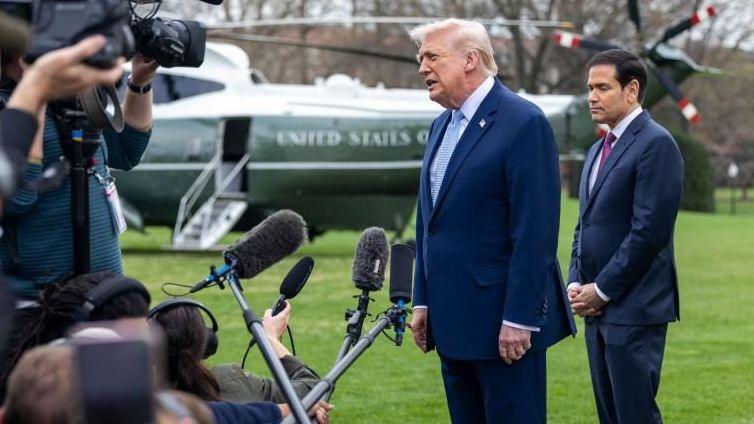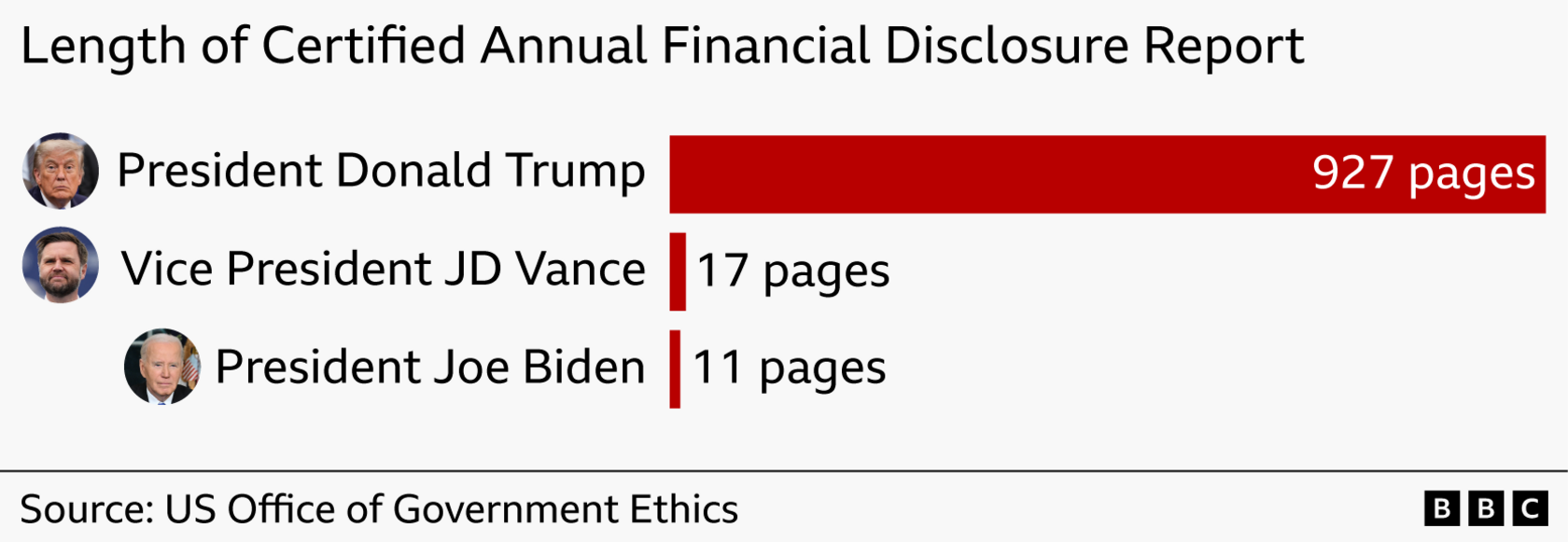
In the first year back at the White House, former President Donald Trump reported a historic earnings total of $2.2bn, a sum that eclipses every predecessor’s winds of wealth.
The lion’s share—$1.4bn—arose from the rapidly expanding cryptocurrency industry. Trump declared $635m in royalties from Celebration Coins, the firm behind the $TRUMP meme coin he launched before his second inauguration, and an additional $500m from World Liberty Financial, a crypto company tied to his sons and allies.
The disclosure stokes chronic concerns about the intersection of presidential duties and private business. Historical precedents run back to George W. Bush’s blind trust arrangement, yet Trump’s refusal to place his empire into a blind trust marks a sharp departure from protocol.
White House deputy press secretary Anna Kelly defended the administration, saying “Neither the President nor his family has ever engaged – or will ever engage – in conflicts of interest.” But critics like former ethics lawyer Richard Painter argue that the stakes are “very, very troubling” for the public.
Beyond crypto, Trump’s family conglomerate pursued stakes in global mining projects and benefitted from legislative changes—such as a July law supporting stablecoins—coinciding closely with the launch of the Trump Organization’s own digital currency unit.
Historians point to a long lineage of presidential‑related financial controversies—from the Teapot Dome scandal of Warren Harding’s era to recent revelations of Hunter Biden’s Ukrainian ventures—yet Trump’s earnings chart a fresh scale of personal wealth generation while in office.
The story illustrates a new era of presidential economics, demanding heightened scrutiny from watchdogs, the public, and the public’s trust in an office that should remain above personal profit.