In brief
A day after announcing a 20% charging scheme for ships crossing the Strait of Hormuz, President Trump reversed course, reinstating the U.S. blockade of Iranian shipping and ordering new military strikes. Officials say the move underscores the difficulty of ending the Iran war through diplomacy or unilateral actions. Experts warn that the blockade could push oil prices higher, sparking economic fallout for the U.S. and Gulf allies. The unprecedented back‑and‑forth illustrates Trump's struggle to secure a decisive outcome in a conflict that has now entered its fifth month. Questions remain on whether a new ceasefire can be negotiated after the memorandum of understanding collapses.
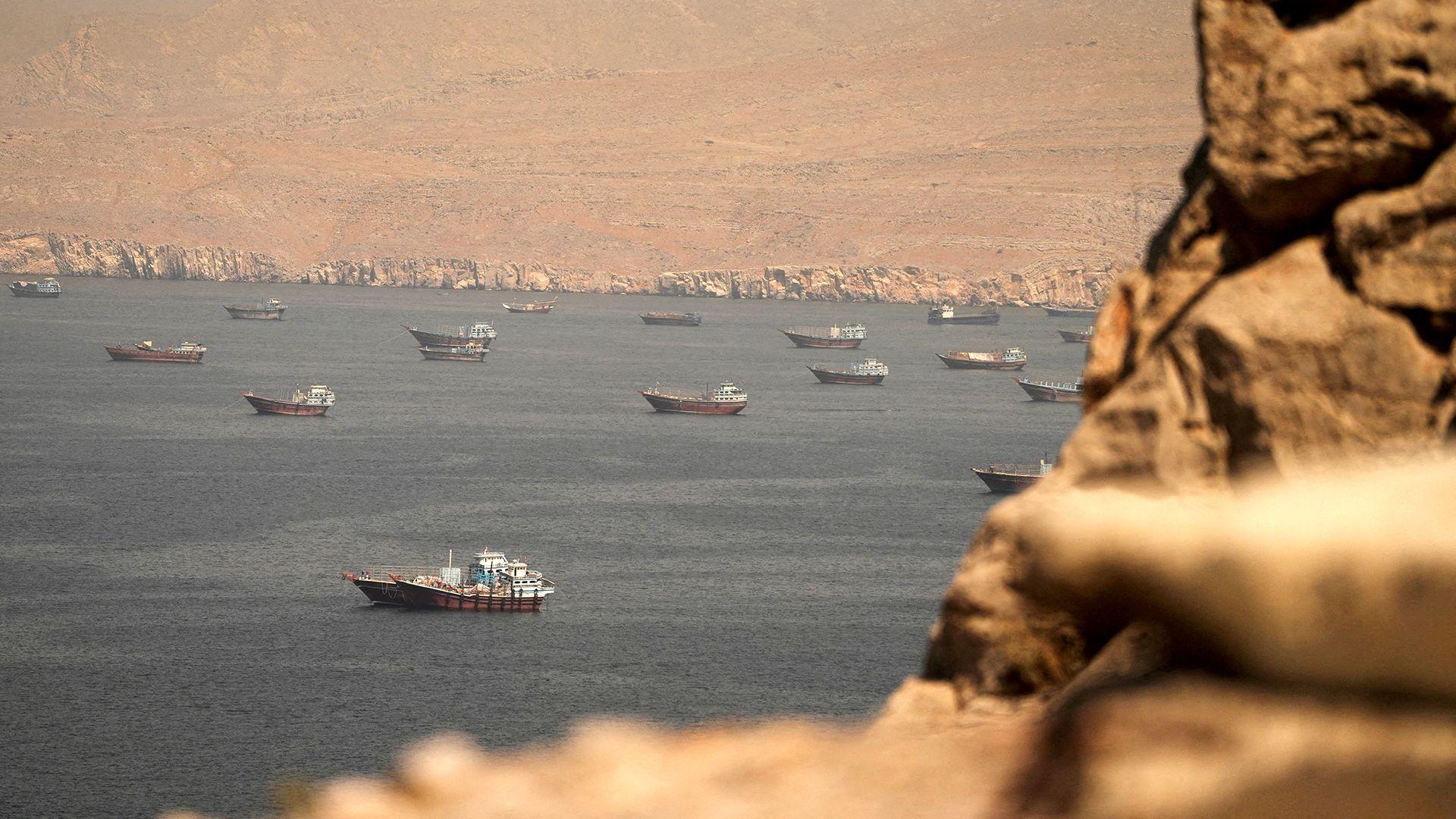
In a dramatic policy reversal, President Trump cancelled his earlier plan to impose a 20% fee on vessels passing the Strait of Hormuz and once again ordered the U.S. Navy to block Iranian shipping.
The change came after a post on Truth Social, where the president announced the cessation of the fee and the resumption of a full blockade. Trump’s earlier message had been viewed as an attempt to rally domestic support for the war effort without the immediate economic hit of a toll.
Experts say the shift reflects the changing calculus of U.S. leverage over Iran. The British broadcaster notes that the memorandum of understanding that originally sparked the blockade was vague and has now collapsed after the latest military strikes.
The renewed blockade threatens to push global oil prices back toward highs seen earlier in the decade, creating inflationary pressure on U.S. consumers and complicating the Republican bid for a midterm victory. While some analysts argue that limited strikes and diplomatic talks might still yield a ceasefire, others warn that the U.S. will face a “war of attrition” with uncertain outcomes.
Trump’s last move—a strike on a heavily fortified Iranian nuclear site known as Pickaxe Mountain—separates the president from seeking a compromise, leaving the conflict hovering over a permanent stalemate. Analysts suggest that even if a new ceasefire materializes, the underlying issues over the Strait of Hormuz, Iran’s nuclear program, and regional influence will remain unresolved.
As the U.S. continues to weigh the costs of military escalation against the benefits of a diplomatic resolution, the world watches whether the president can secure a lasting peace or will be dragged into a prolonged conflict.