In brief
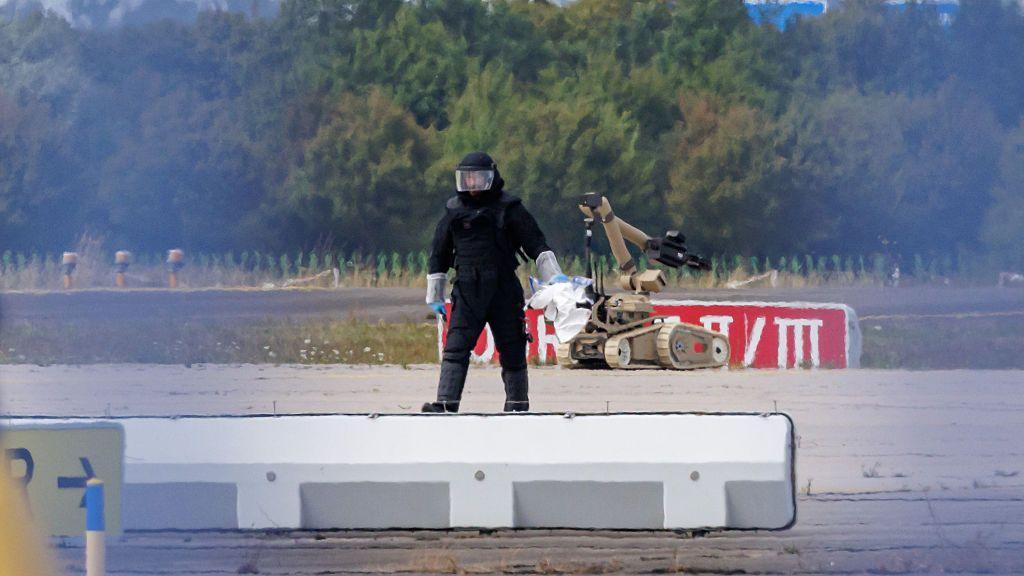
In early August, a drone loaded with explosives was found at Leipzig/Halle Airport, close to Ukrainian cargo planes, but the device did not detonate. German officials have determined the device was of Russian origin, citing forensic evidence and intelligence. The government announced a range of retaliatory measures including closing the Russian consulate, tightening entry controls for Russian nationals, and demanding a “mirror‑image” response from Moscow. Russia denies any involvement, with its foreign ministry calling the accusation absurd. The incident has amplified tensions across Europe and prompted calls from the EU, NATO, and other allies for tighter sanctions against Moscow.
A drone carrying an explosive device was discovered at Leipzig/Halle Airport in eastern Germany on 4 August, near Ukrainian cargo planes. The drone failed to detonate because the detonator was reportedly faulty, but investigators suspect a second drone may have collided with a nearby cargo aircraft.
Interior Minister Alexander Dobrindt said the attack followed a “well‑established pattern of Russian hybrid operations in Europe,” and warned that further incidents might target Germany.
Russian President Vladimir Putin accused Germany of planting evidence to blame Russia for the attempted attack, but offered no evidence to support the claim. Russia’s embassy in Berlin called the allegation “absurd.”
Dobrindt cited forensic examination of the drone’s equipment and intelligence findings that proved Russian involvement, while Foreign Minister Johann Wadephul announced the closure of the Russian consulate in Bonn and the termination of the Russian House in Berlin. He also promised tighter entry controls for Russian nationals and pressure on Moscow’s “shadow fleet” used to sidestep sanctions.
The Russian embassy summoned Berlin’s ambassador, Sergei Nechayev, for a meeting in the foreign ministry shortly after the announcement. Russia responded via spokesperson Maria Zakharova, who warned that Germany would face a “mirror‑image” retaliation and described German measures as an “unprecedented escalation.” Zakharova called Berlin’s actions “terrorist sponsorship” as it provides military and economic support to Ukraine.
NATO’s head Mark Rutte expressed full solidarity with Germany on X, affirming the evidence was clear and supporting the newly imposed measures. EU Commission President Ursula von der Leyen echoed a resolve to counter Russian aggression and hinted at additional sanctions.
Polish Prime Minister Donald Tusk accused Russia of escalating regional tensions, while Polish prosecutors investigate a suspected foreign intelligence connection to a drone‑component factory fire. British Prime Minister Andy Burnham stood by a UK stance that Russian destabilisation attempts are futile.
The incident is part of a larger pattern: Germany has reported several drone sightings at airports, military sites, and industrial facilities over the past year. Berlin had previously alluded to “foreign powers” being involved in the attack, but had not yet named any state.
Earlier this week, a German police investigation looked into improvised explosive and incendiary devices found at a power substation in Brandenburg, which caused a temporary outage. The assailants remain unknown.