In brief
EU and NATO leaders announced a stronger response to Russia following a failed drone attack on Leipzig airport that targeted a Ukrainian cargo plane. German authorities identified Russian operatives behind the drone, leading Berlin to shut the Russian consulate in Bonn and the Russian House in Berlin. Putin criticised the measures, hinting at possible diplomatic fallout. EU officials are debating deeper sanctions and tightening access for Russian citizens, while €90 bn aid and missile‑defence projects for Ukraine continue. The incident is part of a broader pattern of suspected sabotage and anti‑Russia operations across Europe.
EU and NATO leaders have announced a heightened response to Russia in the wake of a failed drone attack on Leipzig airport that targeted a Ukrainian cargo aircraft.
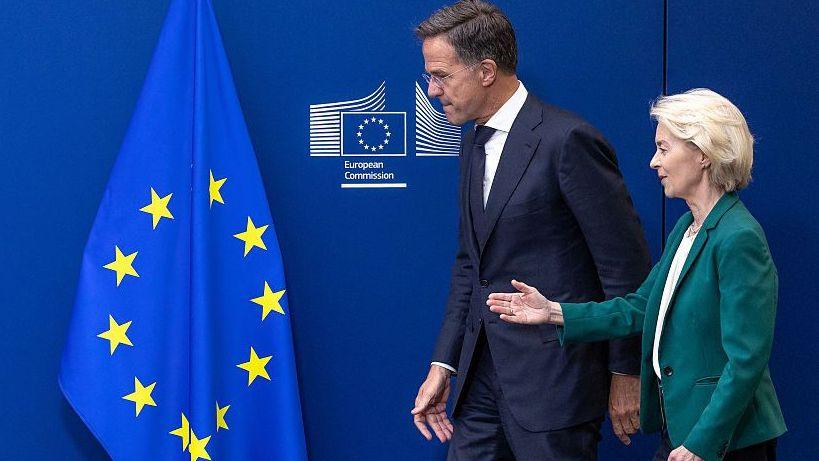
Commission President Ursula von der Leyen described the incident as "military‑grade material carried out by Russian operatives" and called for swift action against the perpetrators.
German authorities report that the drone contained explosives; it was intercepted by a robot at the airport, a second drone barely collided with a Ukrainian cargo plane, and a third was discovered ten days later.
In retaliation, Germany has closed the Russian consulate in Bonn and the Russian House cultural centre in Berlin – institutions suspected of being Kremlin propaganda outlets – a move Moscow says is unsupported by evidence.
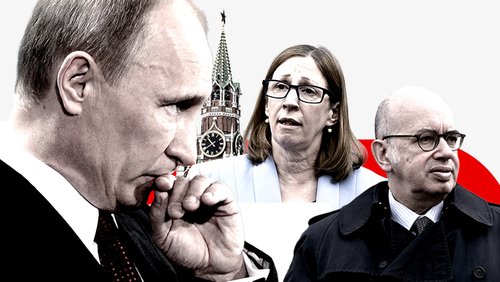
Vladimir Putin has denounced the measures as a mistake that "runs counter to the interests of the German people", while Deputy Foreign Minister Alexander Grushko warned Moscow might sever ties if incidents continue.
EU foreign ministers are debating further sanctions, including tighter controls on Russian "shadow fleet" vessels and stricter entry restrictions for Russian visitors across the bloc.
Within the last 24 hours, several suspected sabotage acts have hit German power substations, prompting a debate over foreign state involvement versus domestic extremism.
Ursula von der Leyen noted the EU has loaned Ukraine €90 bn and is working on joint anti‑missile projects, insisting that pressure on Moscow will continue until Russian war policy changes.