In brief
Nine days after a massive flash flood—likely triggered by a glacier collapse—tens of people were believed trapped in hydropower tunnels along Nepal’s border with Tibet. Police and army units now report that rescuers have pulled out two workers, Sanjaya Shah and Kabir Maharjan, and found a third victim’s body. Engineers are pumping air into tunnels, digging through mud, and using powerful equipment as teams seek more survivors. With 1,311 confirmed deaths and over 5,000 missing, the operation has become a high‑stakes race against time.
After the devastating flood that struck a Himalayan valley on August 26, 2026, rescuers in Nepal have intensified their search for workers trapped in hydropower tunnels along the border with Tibet.
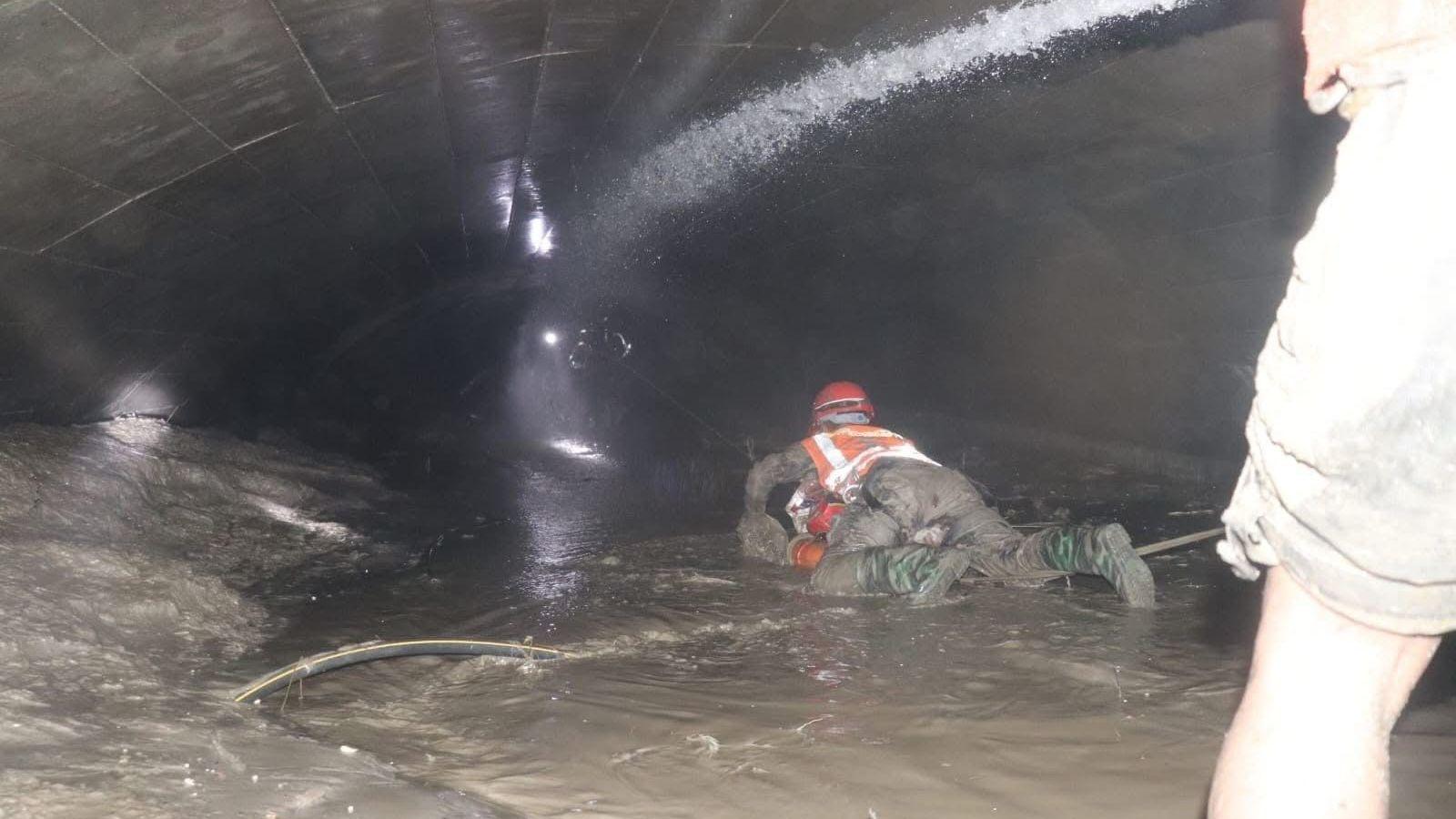
When rescuers reached the Trishuli 3A site on Friday, they heard voices that turned into faint “okay” signals. Inside the dark tunnel, they discovered Sanjaya Shah and Kabir Maharjan, both badly injured, and airlifted them to Kathmandu’s Army Hospital. Maharjan remains in critical condition, while Shah is undergoing tests.
A third body was later found in the same tunnel, a swollen, unrecognisable victim. Engineers estimate that 39 people may still be in Trishuli 3A, though their survival status is uncertain.
Rescue teams, including the Nepalese Army, engineers and private power company crews, are now clearing mud, digging access holes, and pumping air into these underground shafts at all seven hydropower sites. The teams have already rescued more than 400 Nepalis and 270 foreign citizens since the flood, but the death toll stands at 1,311 in Nepal and 31 in Tibet, with 5,330 people missing.
“Every rescue gives us hope,” said Col Jhabindra Reshmi, who said mud and rocks hindered tunnel entry. Uttam Bhlon Lama, Vice President of the Independent Power Producers Association, added that the high flood levels still pose a challenge.
Scientists point to a glacial collapse and rising temperatures as contributing factors to the disaster. Authorities warn of potential future flooding due to heavy rains as the region stays wet.
As the international community watches, Nepal’s rescue operations continue, pushing toward finding more survivors amid a rapidly evolving crisis.