In brief
In a devastating incident, two Indonesian peacekeepers were killed by a roadside explosion in southern Lebanon, confirmed by the UN peacekeeping chief. This incident is the second fatal attack in just 24 hours, amidst escalating attacks involving Israel and Hezbollah.
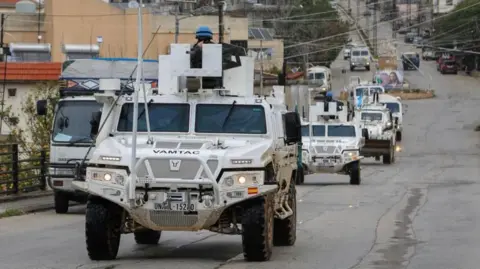
In a tragic event, two Indonesian peacekeepers were killed on Monday due to a roadside explosion in southern Lebanon, as UN peacekeeping chief Jean-Pierre Lacroix reported to the UN Security Council. The initial investigation suggested that the explosion, which destroyed their vehicle near Bani Hayyan, was of an unknown origin. A third peacekeeper sustained severe injuries, while a fourth experienced minor injuries during the explosion.This incident marks the second fatal attack within a span of 24 hours; another Indonesian peacekeeper lost his life on Sunday from an explosion triggered by an unknown projectile in Adchit Al Qusayr.Both of these incidents are currently under investigation by the United Nations Interim Force in Lebanon (Unifil).The preliminary findings indicate an improvised explosive device (IED) was likely responsible for the fatal roadside explosion, as stated by Stéphane Dujarric, a spokesperson for the UN secretary-general. Regarding the incident on Sunday, it's believed that an explosive landed in the position held by the Indonesian peacekeepers.The perilous situation escalates further with the recent announcement by the Israeli military to intensify ground and air operations targeting the armed group Hezbollah. Unifil has been working to maintain peace along the de facto border known as the Blue Line, marking Israel and Lebanon's boundary.Hezbollah has been responsive to the actions taken by the Israeli military, firing rockets into Israel amidst ongoing strikes linked to the conflict involving the United States and Iran.Israel's investigation indicates the explosion that killed the two peacekeepers was unrelated to their military activities in the region, reaffirming that no IDF troops were present in Bani Hayyan during the incident.In a plea for ensuring peacekeepers’ safety, Dujarric urged both Lebanon and Israel to utilize Unifil’s dialogue mechanisms, emphasizing the necessity to respect Lebanon's sovereignty and territorial integrity.The peacekeeping mission in Lebanon, established in 1978, has seen significant casualties over the years, including 339 peacekeepers since its inception. Recent violence has also impacted civilians; since the ceasefire commenced after hostilities flared over Gaza, Lebanese sources report over 1,268 individuals have died, including 124 children.