In brief
A significant segment of the U.S. population relies on private wells for drinking water, being particularly at risk from PFAS (per- and polyfluoroalkyl substances), colloquially known as 'forever chemicals.' Federal guidelines do not cover private wells, leaving many individuals unaware of their potential contamination. This situation creates disparities in water safety across states, with some providing proactive measures while others lack basic support for well owners, increasing anxiety over public health impacts.
STELLA, Wis. — Approximately 40 million Americans who draw their water from private wells are increasingly at risk due to PFAS, known as 'forever chemicals.' Such compounds, recognized for their resistance to degradation, can infiltrate household water supplies, alarming residents who may remain unaware of the contamination for extended periods.
The federal government mandates testing and sets strict limits on PFAS in public utilities, but these regulations do not extend to private wells.
As these chemicals are linked to serious health issues, including cancer and developmental delays, the absence of comprehensive testing creates a critical public health conundrum. In regions where industrial activities release PFAS, well owners may bear the brunt of unsafe drinking water—often isolated in their struggle for information and support.
Regulatory action varies widely by state. For example, while some states, like Michigan, actively test and mitigate PFAS contamination in private wells, many others do not conduct testing outside of pre-identified contaminated areas.
Once contamination is discovered, restoring clean drinking water is a complicated process. Remediation efforts can vary by locality, leaving some households without assistance even when others nearby receive help.
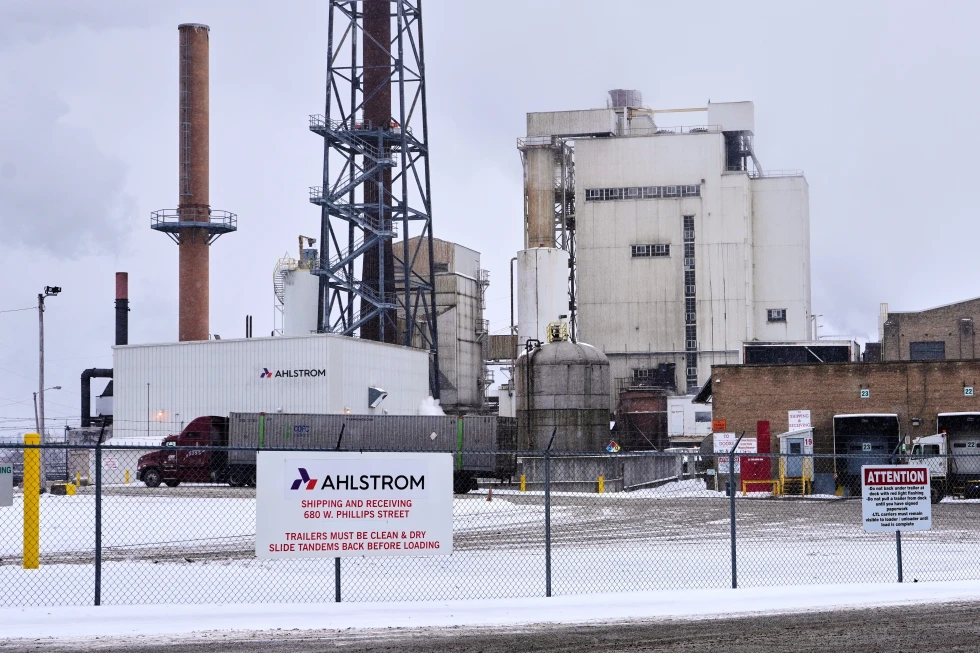
A recent case in Wisconsin illustrates the widespread ramifications of PFAS exposure. Residents discovered dangerously high levels of PFAS in their well water, spurring ongoing investigations that highlighted past industrial practices that permitted these harmful chemicals to enter the ecosystem.
The implications of these discoveries are profound, putting not just individual families at risk, but altering the fabric of entire communities. In various parts of Georgia, for instance, residents uncovered that decades of industrial waste impacted their groundwater and, by extension, their health.
The growing concern around PFAS contamination underscores the need for enhanced regulatory frameworks to protect private well owners, highlighting the disparity faced in different regions across the United States. As governments explore measures to mitigate this crisis, the fight for safe drinking water continues, necessitating urgent attention and action.