
In brief
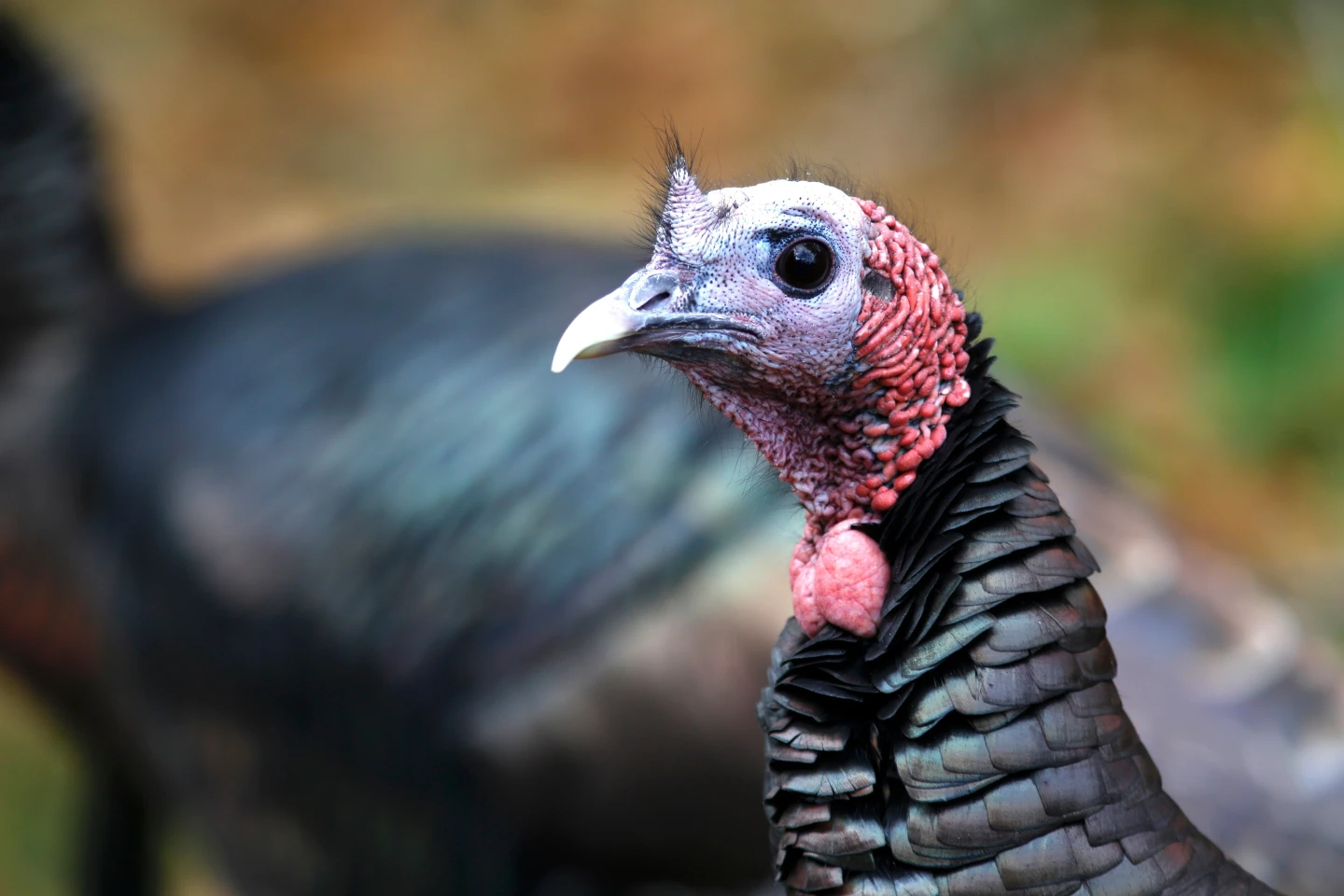
Once nearly extinct, the wild turkey population has rebounded to around 7 million thanks to creative wildlife management strategies, including inter-state trading. The history of these exchanges reveals a unique approach toward conservation and species restoration across North America.
CONCORD, N.H. — The Thanksgiving table is far from the place to discuss weasels, but the trade of wild turkeys for other animal species is a pivotal chapter in North America’s conservation narrative.
From a dwindling population of a few thousand in the late 1800s, wild turkeys have dramatically rebounded to about 7 million across the U.S., Canada, and Mexico, as detailed by the National Wild Turkey Federation. This recovery involved fruitful wildlife trades rather than mere hunting or farming practices.
Historically, states engaged in an unorthodox form of trading to restore wild turkey populations. Oklahoma sent walleye and prairie chickens to Arkansas and Missouri in exchange for turkeys, while Colorado swapped mountain goats for turkeys from Idaho. In Canada, Ontario welcomed 274 turkeys sourced from states like New York and Vermont, trading for larger species like moose and partridges.
“Wildlife biologists don’t lack creativity,” noted Patt Dorsey from the National Wild Turkey Federation. “These trades were like our currency for all wildlife that we restored,” said Holly Morris from West Virginia’s Division of Natural Resources, reflecting on the collaborative spirit evident in these conservation efforts.
A notable exchange occurred in 1969 when West Virginia traded 26 turkeys to New Hampshire for 25 fishers. Over the decades, this cooperative strategy proliferated, expanding to exchanges involving otters and bobwhite quail.
As the American ecological landscape transformed due to habitat loss and hunting, wild turkeys became scarce. Following unsuccessful attempts to restore populations through captive breeding, wildlife managers pivoted back to capturing and redistributing turkeys from thriving populations.
In the case of New Hampshire, after over a century without wild turkeys, new flocks sent from West Virginia and later from New York contributed significantly to recovery efforts. By 1975, New Hampshire’s turkey population has soared to about 40,000 due to extensive management strategies.
Dan Ellingwood from the New Hampshire Fish and Game Department emphasized the adaptability of turkeys, highlighting their role in local ecosystems both as predators and prey, all while rejuvenating state populations and providing recreational hunting opportunities.
Dorsey affirmed that the wild turkey restoration aided other species’ recoveries, proving that cooperative wildlife management remains a cornerstone of successful conservation initiatives.
}