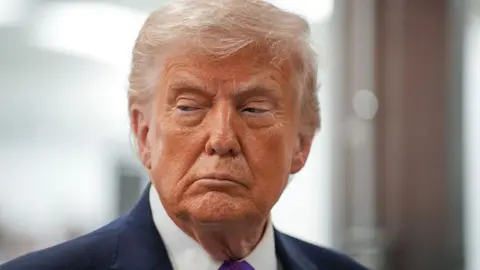
Greenland is currently in the eye of a geopolitical storm, as U.S. Secretary of State Marco Rubio readies to meet Danish officials to discuss the future of the remote territory, which has garnered unwanted attention from President Donald Trump for national security reasons.
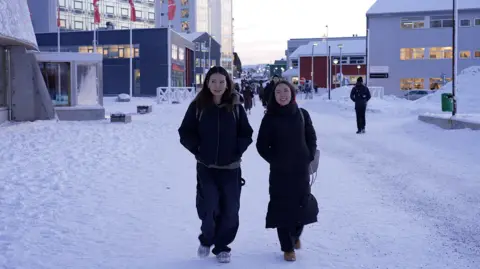
The vast island, covered in serene ice formations and breathtaking fjords, is home to about 57,000 inhabitants, mostly indigenous Inuit, and their tranquility is being disturbed by international tensions. We just want to be left alone, expressed local residents, voicing fears about the potential consequences of American interest in their homeland.
Nuuk, the capital, presents a peaceful exterior, yet its citizens are filled with apprehension about Trump's intentions. Local attitudes reflect a strong opposition to any potential U.S. takeover, with around 85% of Greenlanders favoring independence from Denmark while acknowledging the financial support they receive from the nation.
Conversations with residents reveal a shared desire for self-determination and increasing participation in foreign policy discussions. Many fear that discussions led by major global powers about Greenland often overlook the voices of the very people who inhabit the island.
"It's true, we are not for sale - but we are open for business," remarked an opposition MP, highlighting the ongoing struggles of being a dependent territory while advocating for economic independence.
The complexities of Greenland's geopolitical significance are heightened by U.S. military interests in the Arctic, raising the stakes for its residents. With Trump’s administration showing assertive tendencies toward military presence, the delicate balance of power in the region hangs in the balance, leaving Greenland in an uncertain position as global superpowers vie for influence.