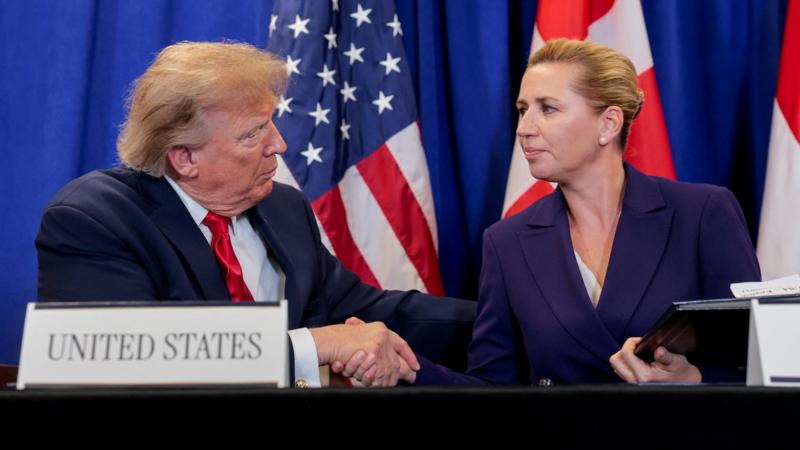
High‑level Iran–US officials met at the UN General Assembly in New York late Tuesday to resume talks that stalled after the June ceasefire collapse.
The meeting, mediated by Qatar, saw Iran’s Foreign Minister Abbas Araghchi and US envoy Steve Witkoff exchange notes, yet no concrete breakthrough emerged.
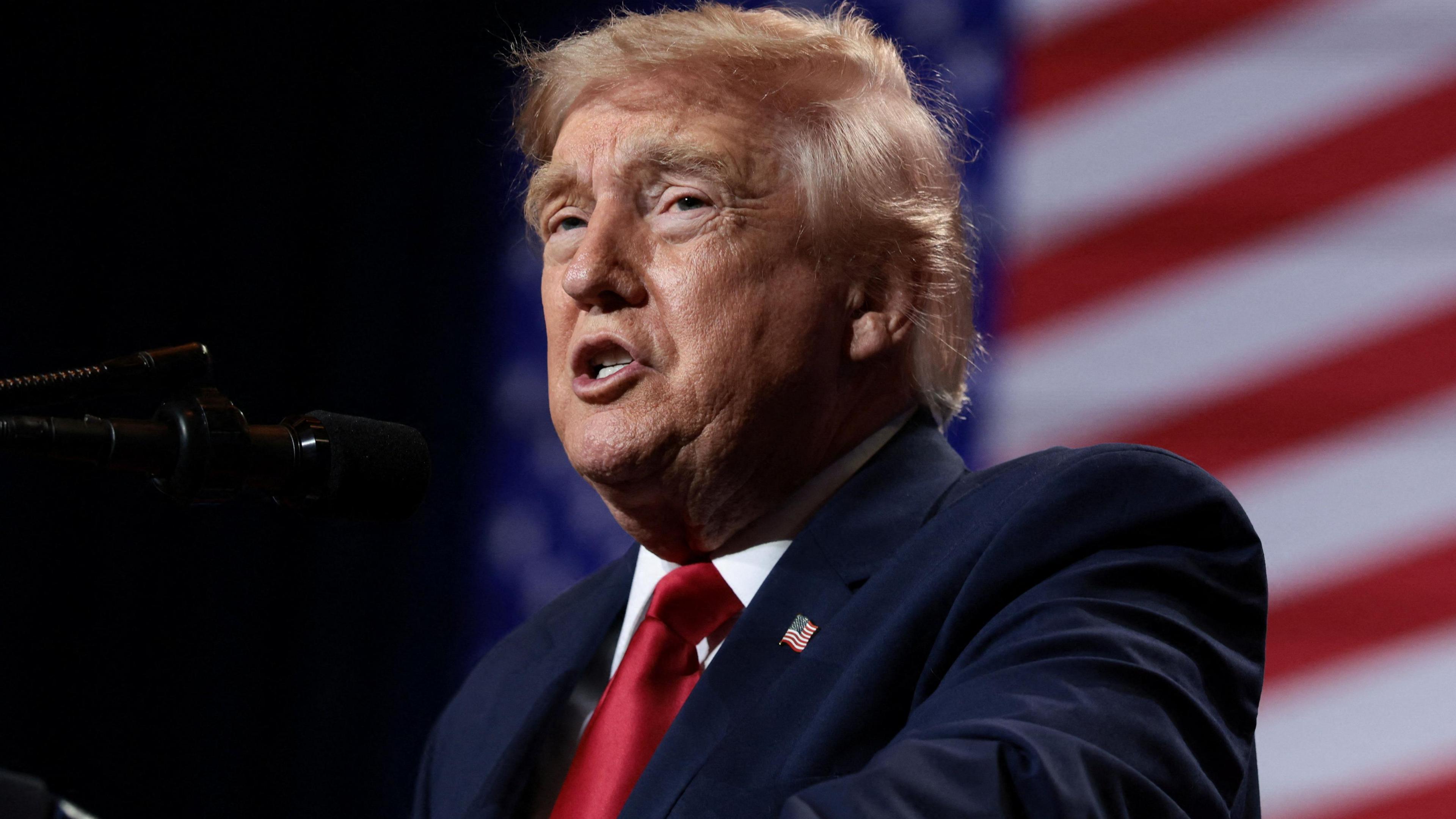
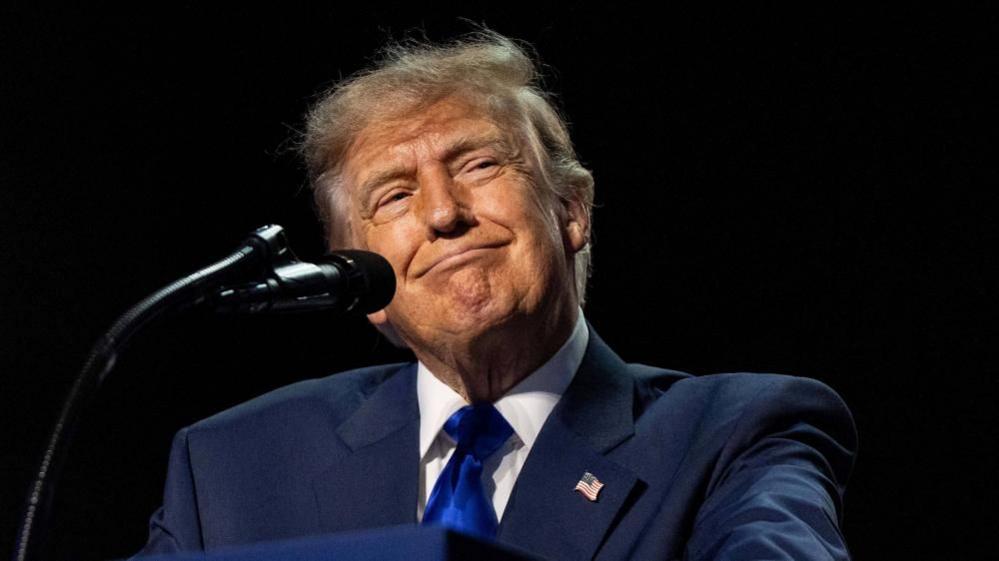
Tense after President Trump’s on‑stage threat to ‘annihilate’ the Islamic Republic if the conflict remained unresolved, the talks carried the weight of potential coercive diplomacy.
The backdrop includes the February 28 US‑Israel air strikes on Iranian targets, Iran’s retaliation against US and Israeli forces in the Gulf, and an ongoing blockade that has cut the strait’s supply of 20 % of global oil and gas.
America’s handling of the crisis is under scrutiny as November elections approach; Trump highlighted his domestic agenda while justifying the war strategy as a means to prevent Tehran’s nuclear ambitions.
Witkoff later said the meeting was "constructive and promising," and the Qatari mediator communicated Tehran’s conditions, including cessation of all aggression and an end to the war on every front.
Iran’s air defense and naval forces have targeted vessels in the Strait of Hormuz that attempted unauthorized passage, while US forces have struck Iranian sites in the area and maintained a port blockade.
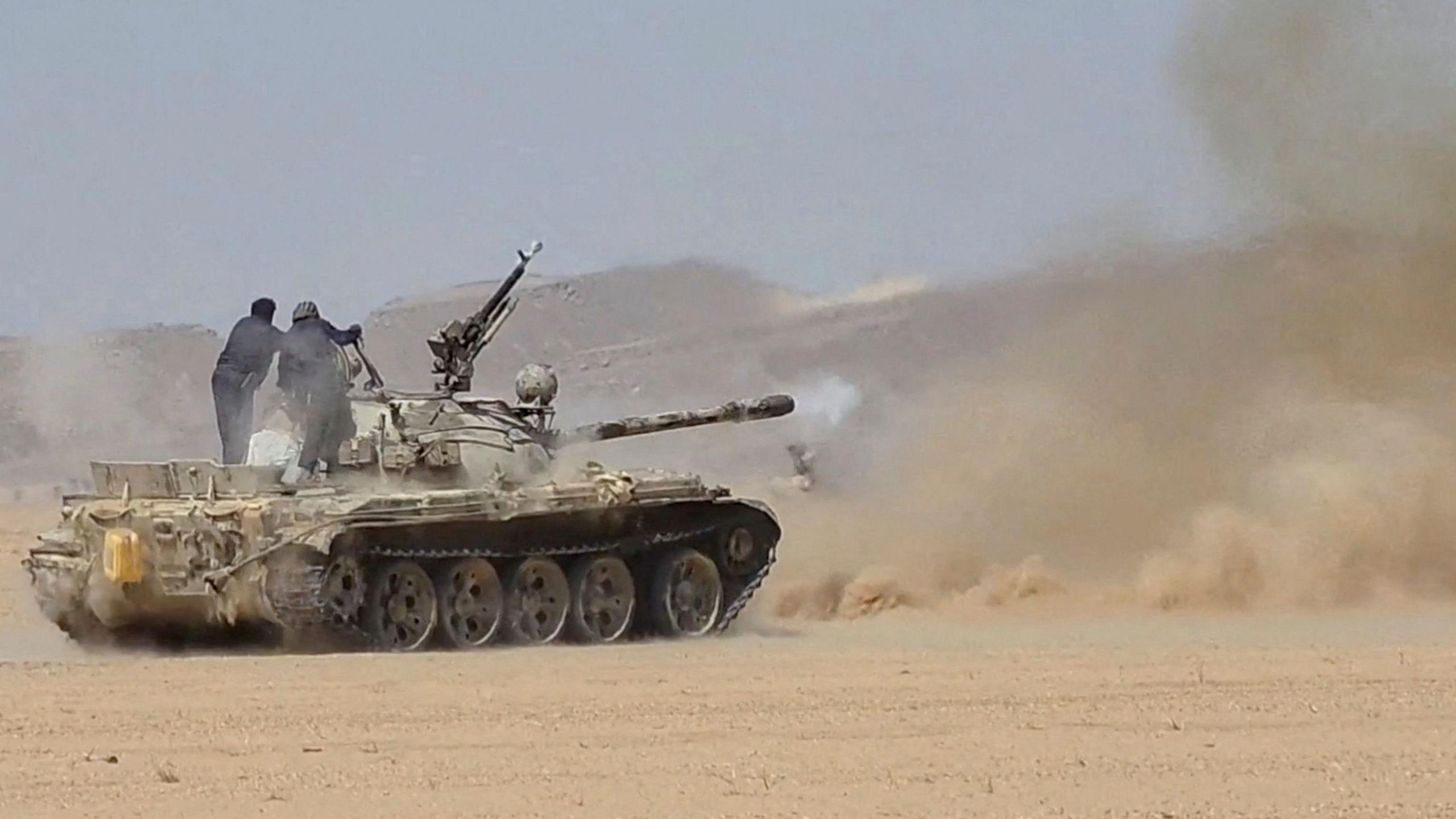
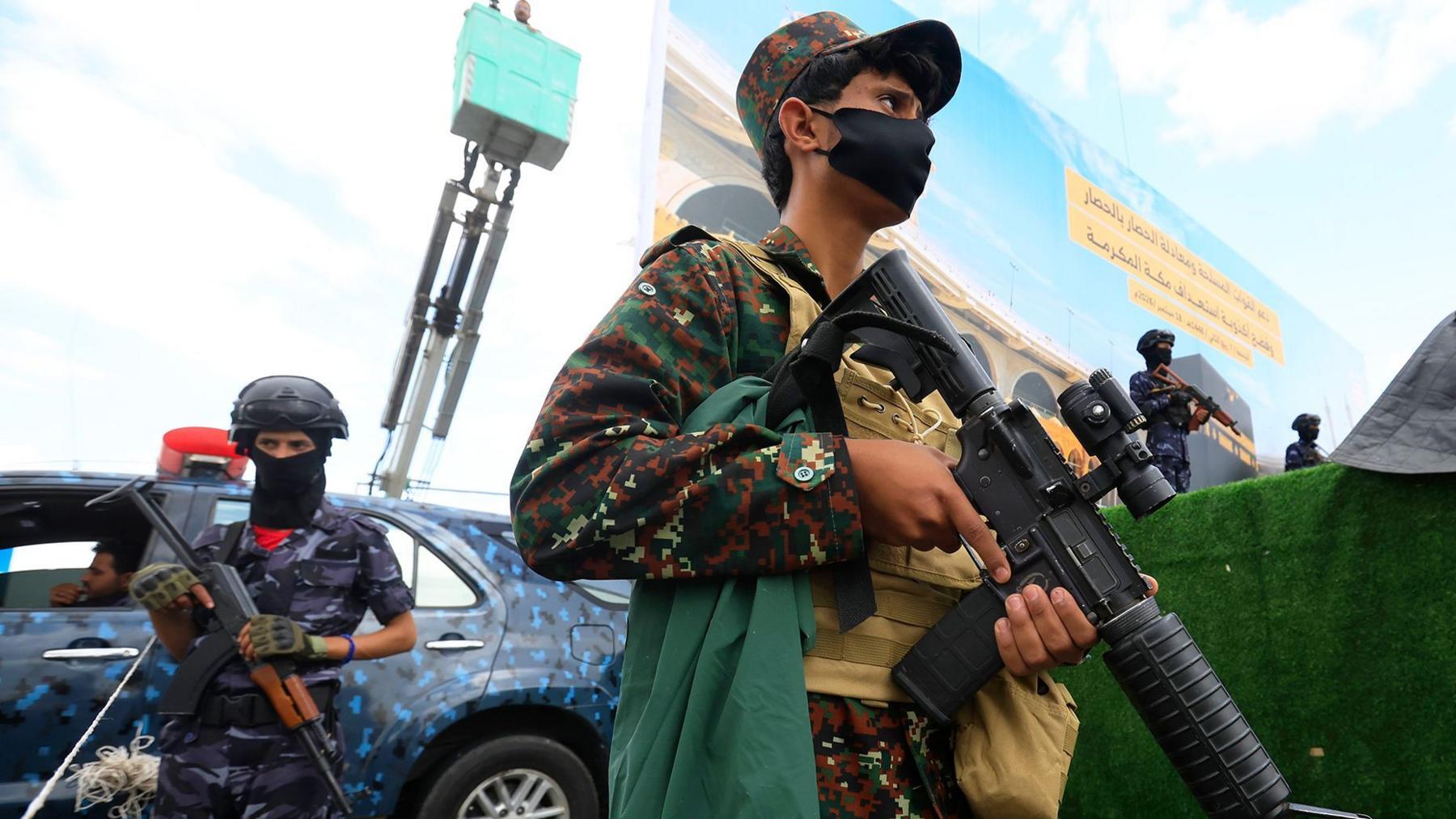
The conflict’s broader implications reach Yemen, where Houthi forces—aligned with Iran—have intensified attacks against Saudi shipping to disrupt oil flows.
Although no deal has been secured, the UN floor sessions represent a rare window for diplomatic engagement, as both sides taste the cost of prolonged hostilities.