In brief
Cahokia Heights, Illinois, a community significantly affected by flooding and inadequate wastewater systems, faces a dire situation as cuts to federal funding under the Trump administration threaten projects aimed at rectifying longstanding issues. Despite promises made by the Biden administration to address systemic inequities and invest billions in infrastructure, many communities, particularly those with predominantly Black populations, struggle with the repercussions of deteriorating environmental conditions and lack of essential resources. Advocates warn that these issues jeopardize the health and dignity of residents as they grapple with untreated sewage and the looming threat of illness.
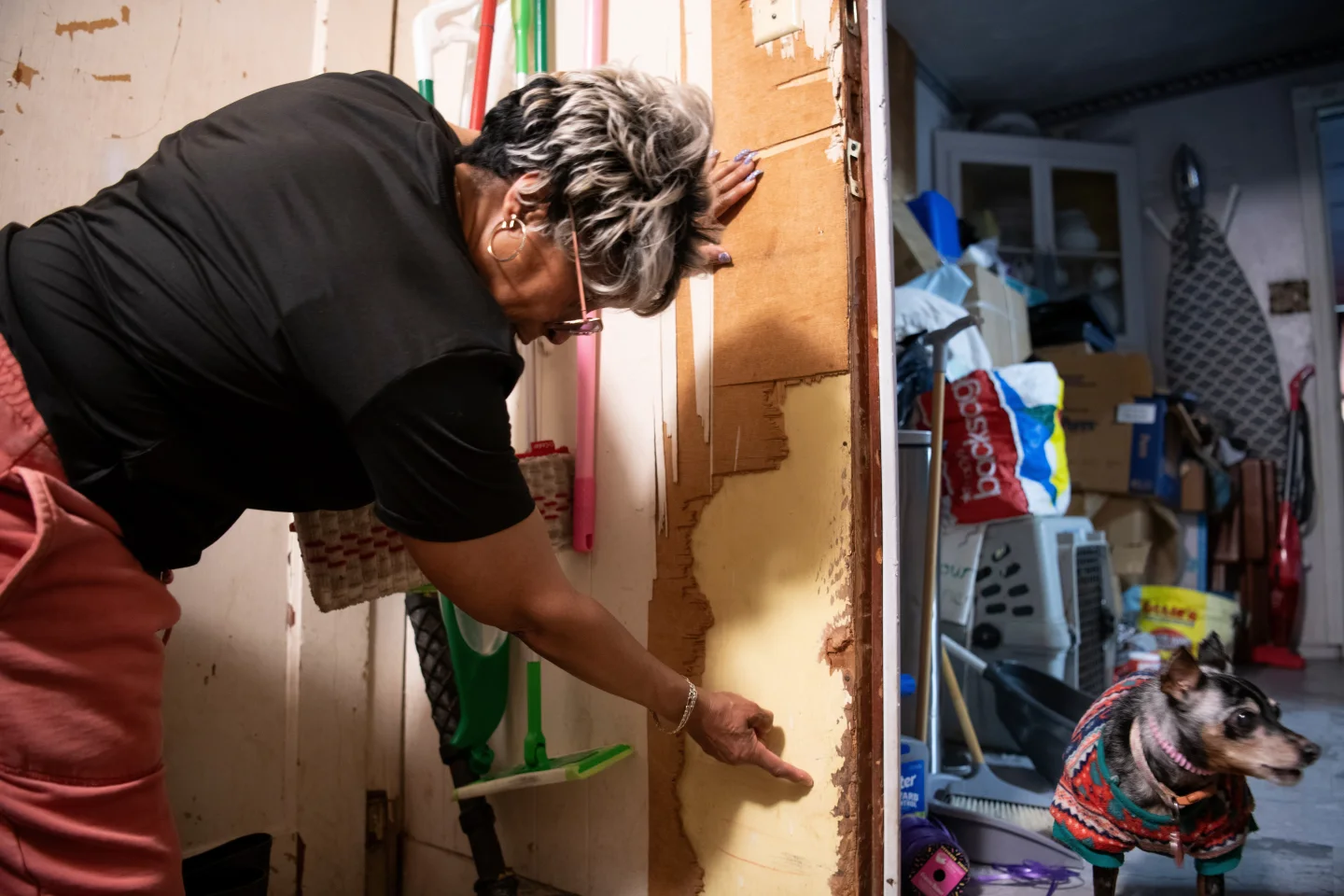
CAHOKIA HEIGHTS, Ill. — Yvette Lyles dreamed of her family's new modest brick home as a Christmas gift, picturing picnics in a nearby state park. However, the reality became a nightmare as flooding from heavy rains led to untreated sewage spilling into their home, stranding the family and damaging their belongings.
Cahokia Heights, where about one-third of the population lives in poverty, has struggled with aging wastewater systems that increase risks to health and property. Many residents, like Patricia Johnson, face severe sewage backups, inadequate infrastructure, and health hazards from environmental contamination.
The situation worsened when President Trump targeted federal funds supporting vital environmental justice projects for elimination, impacting infrastructure upgrades for communities like Cahokia Heights. Although hundreds of millions in grants were initially promised through the Bipartisan Infrastructure Law, many are now at risk, exacerbating already severe health crises in underserved areas.
Advocates emphasize the urgency of addressing infrastructure inequities, claiming the environmental issues are linked to both health and dignity. The Biden administration's commitment to allocate almost $50 billion to state revolving funds for infrastructure projects was seen as a potential lifeline but remains precarious amid legislative disagreements. Advocates highlight that tackling these infrastructure problems is not just an environmental issue; it's a matter of fundamental human rights.
As federal funding remains in limbo, residents face a harsh reality where sewage spills threaten their health, and efforts to secure improvements are stifled. The ongoing struggles in Cahokia Heights reflect a broader national dilemma affecting many minority communities across the United States, rendering them vulnerable to systemic neglect.