In brief
On Monday, multiple weather phenomena hit the U.S., with over 100 million people under threat from blizzards in the Midwest to tornadoes on the East Coast. As winter struggles to leave, flights are canceled, schools close early, and residents are urged to prepare for dangerously high winds. Meteorologists warn of strong storm systems wreaking havoc, including major airport disruptions nationwide. Hawaii also faces flooding due to heavy rains, impacting homes and infrastructure.
WASHINGTON (PulseWire) — A chaotic weather system is currently affecting the United States, with massive blizzards in the Midwest and severe thunderstorms on the East Coast leading to warnings for over 100 million people. On Monday, flights were canceled across the nation, affecting major airports due to high winds and inclement weather.
Severe storms have prompted airline cancellations exceeding 2,000 flights nationally, with schools closing early across the mid-Atlantic region in anticipation of tornadoes and strong winds. States like Michigan, Wisconsin, and Minnesota are experiencing blizzard conditions, while torrential rains in Hawaii have caused significant flooding.
In Washington D.C., the House of Representatives postponed critical votes due to travel difficulties caused by the weather. Meteorologists describe the volatile conditions as a result of conflicting air masses, with winter's grip from the north pushing against warmer southern air. This is classic March and April weather, stated Brian Hurley of the National Weather Service.
Severe Storm Warnings
The storm system moving towards the East Coast is anticipated to produce high winds and potentially long-track tornadoes, as warned by the National Weather Service. The areas most at risk for damaging winds run from South Carolina to Maryland, especially impacting cities like Raleigh, North Carolina, Richmond, Virginia, and D.C.
Midwest Blizzard Impact
In the Midwest, blizzard conditions continue with some regions burying under two feet of snow. The storm is expected to bring additional snowfall throughout the day, leading to hazardous travel conditions for commuters. Schools have been closed in parts of Milwaukee and Marquette, Michigan.
Flight disruptions remained significant, with over 350 cancellations reported at Chicago O’Hare and many more at airports in Atlanta. More than 2,500 flights were delayed Monday morning, adding stress to a situation that saw over 3,200 cancellations the previous day.
Flooding in Hawaii
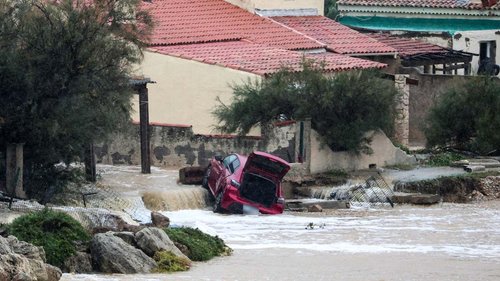
Heavy rainfall in Hawaii has triggered landslides and flooding, with Maui reporting over 20 inches of rain. Locals described unprecedented flooding conditions, prompting emergency responses.
Cold Front to Follow
As the storm progresses, forecasts predict substantial drops in temperature across the East Coast, with wind chills expected to reach freezing levels as far south as the Gulf Coast. The progression of this weather system is expected to bring significant changes to temperatures in several states.
Residents are urged to remain alert, prepare for potential hazards, and monitor ongoing weather updates.