In brief
The conclusion of the Trump's immigration enforcement 'Operation Metro Surge' has brought relief to many Minnesota residents and state officials, but concerns about its lasting effects on the economy and immigrant communities remain. Despite thousands of federal officers being sent to Minnesota, including the controversial details surrounding officer conduct leading to shootings, local leaders and citizens are wary of the future implications as targeted enforcement continues.
MINNEAPOLIS (AP) — Residents and state officials in Minnesota are breathing a sigh of relief following the Trump administration's decision to downscale its immigration enforcement efforts, known as 'Operation Metro Surge,' which had previously sent thousands of federal officers into the Minneapolis and St. Paul areas. However, many are expressing concerns about the lingering economic and social impacts this operation has had on the state's immigrant communities.
Initially touted as the largest immigration enforcement operation in the U.S. by the Department of Homeland Security, 'Operation Metro Surge' faced growing criticism amid rising tensions and public outcry over the actions of federal officers. The shooting deaths of U.S. citizens Renee Good and Alex Pretti during encounters with federal officers prompted widespread condemnation and calls for accountability, leading to significant changes in the operation.
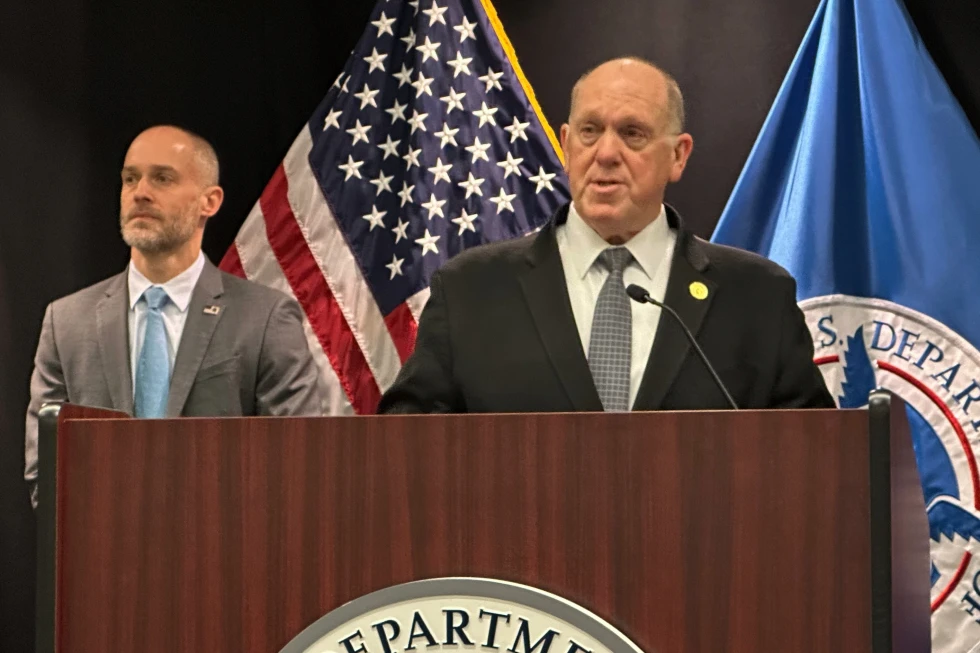
In response to the unrest, Minnesota's Democratic Governor, Tim Walz, has urged continued vigilance among residents, even as Homeland Security’s border czar, Tom Homan, announced an official end to the operation earlier this week following improved coordination with local law enforcement agencies. These discussions were initiated after the January 24th incident that resulted in Pretti's death.
Despite the reduction in enforcement personnel — with reports indicating that 700 officers were to leave Minnesota immediately — officials confirmed that over 2,000 would remain until further logistical arrangements are made. Homan has asserted that while the largest operation has concluded, targeted enforcement will continue in urban areas.
As a result of the operation, local residents are voicing their concerns, with many stating a lack of trust in governmental assurances. Vigil attendees and local activists are questioning the impact that federal presence has had on community safety and unity. Comments from attendees at a vigil held for Renee Good highlight frustrations about the perceived disconnection between federal promises of safety and the reality experienced by residents during and after the operation.
Looking ahead, residents and officials alike remain weary but hopeful, sharing a desire to protect their community from the contentious atmosphere left behind by the tumultuous enforcement actions.