In brief
A sudden surge of tens of thousands of migrants flooded Spanish enclave Ceuta on 30 July, forcing Spanish forces to escort many back to Morocco. Violence and death toll reached 72. The tragedy has ignited diplomatic friction with Italy, raised EU security concerns, and highlighted the role of viral social‑media content that promised a shortcut to European mainland.
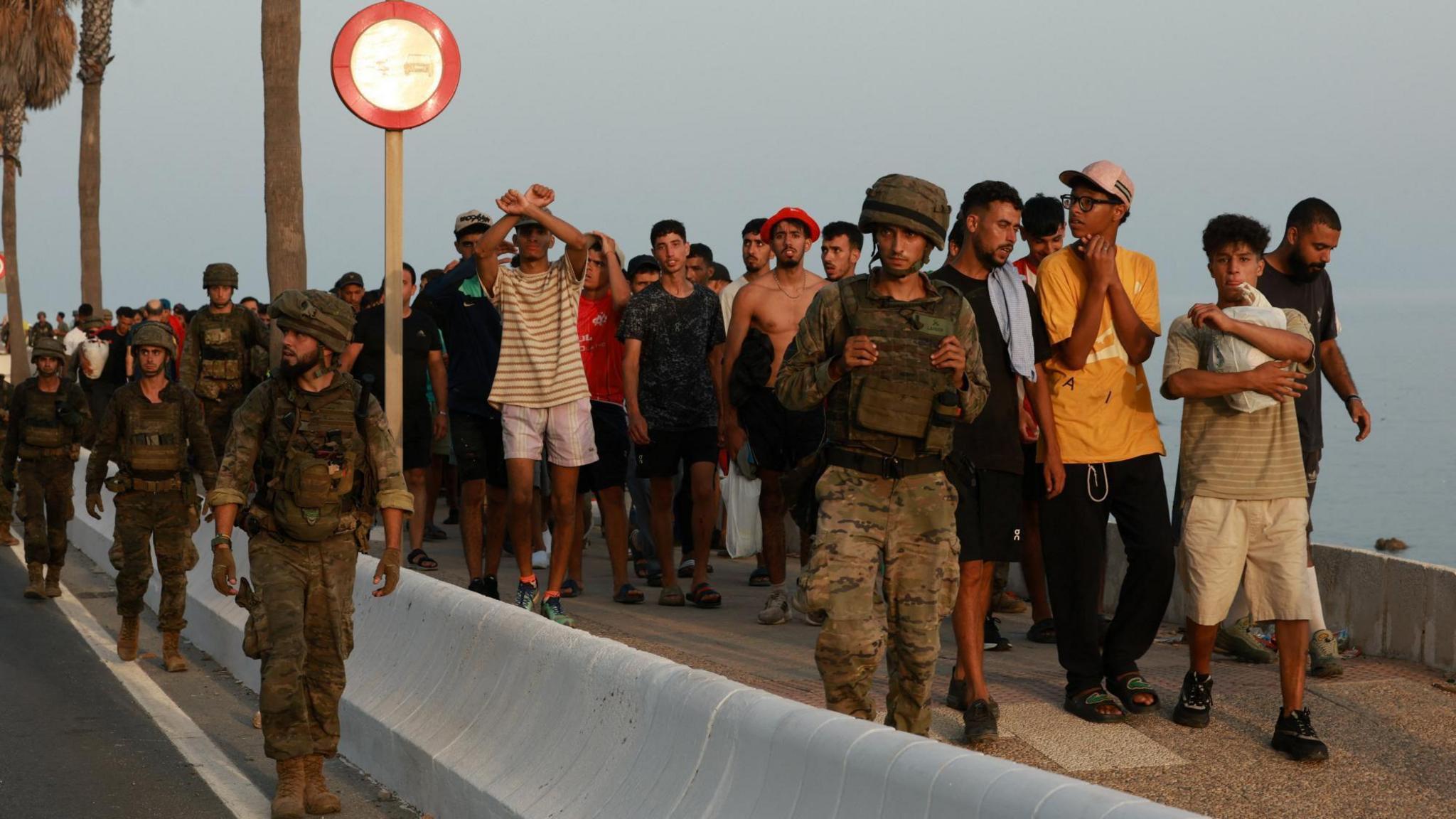
The Spanish exclave of Ceuta was suddenly overwhelmed on Thursday with an estimated 60,000 migrants who appeared to be chasing a promise shared online of a painless gateway to Europe.
When Spanish soldiers finally overcame the tidal surge, the crowd of newcomers was escorted back to Morocco, with many arriving in coffins after a death toll that climbed past 70. Over 40,000 were declared dead or presumed dead in the Mediterranean water, where bodies lay with abandoned rubber rings and flippers.
Political fallout
President Pedro Sanchez slammed European leaders, especially Italy, for what he described as a politicised attack on Spain’s sovereign control. In an overnight tweet he warned that Italy’s hard‑right party had used the incident to stoke anti‑immigrant sentiment.
Italy’s Prime Minister Giorgia Meloni reacted by suspending the Schengen passport‑free travel regime with Spain, citing security. This move sparked a sharp diplomatic row that reached Brussels ahead of an imminent EU meeting on border policy.
Social media as a catalyst
Multiple accounts bombarded Spanish newsrooms with video clips of young migrants in wetsuits diving into the sea, scribbling “Spain is open”, and incorporating images from inside Ceuta. These posts had garnered tens of thousands of likes and were seen as the driving force behind the mass, poorly‑planned migration wave.
Measures on the horizon
Spain is expanding physical barriers: a new sea‑fence and buoy‑laced jetty guard against further swimmers. EU interior ministers are set to gather next week to debate additional external borders and stricter checks on Spanish‑to‑Italian travel.
While the containment steps are immediate, the core issue remains: how to balance migration integration with security demands in a climate where hyper‑political narratives thrive on social platforms.